Possible risk and complications
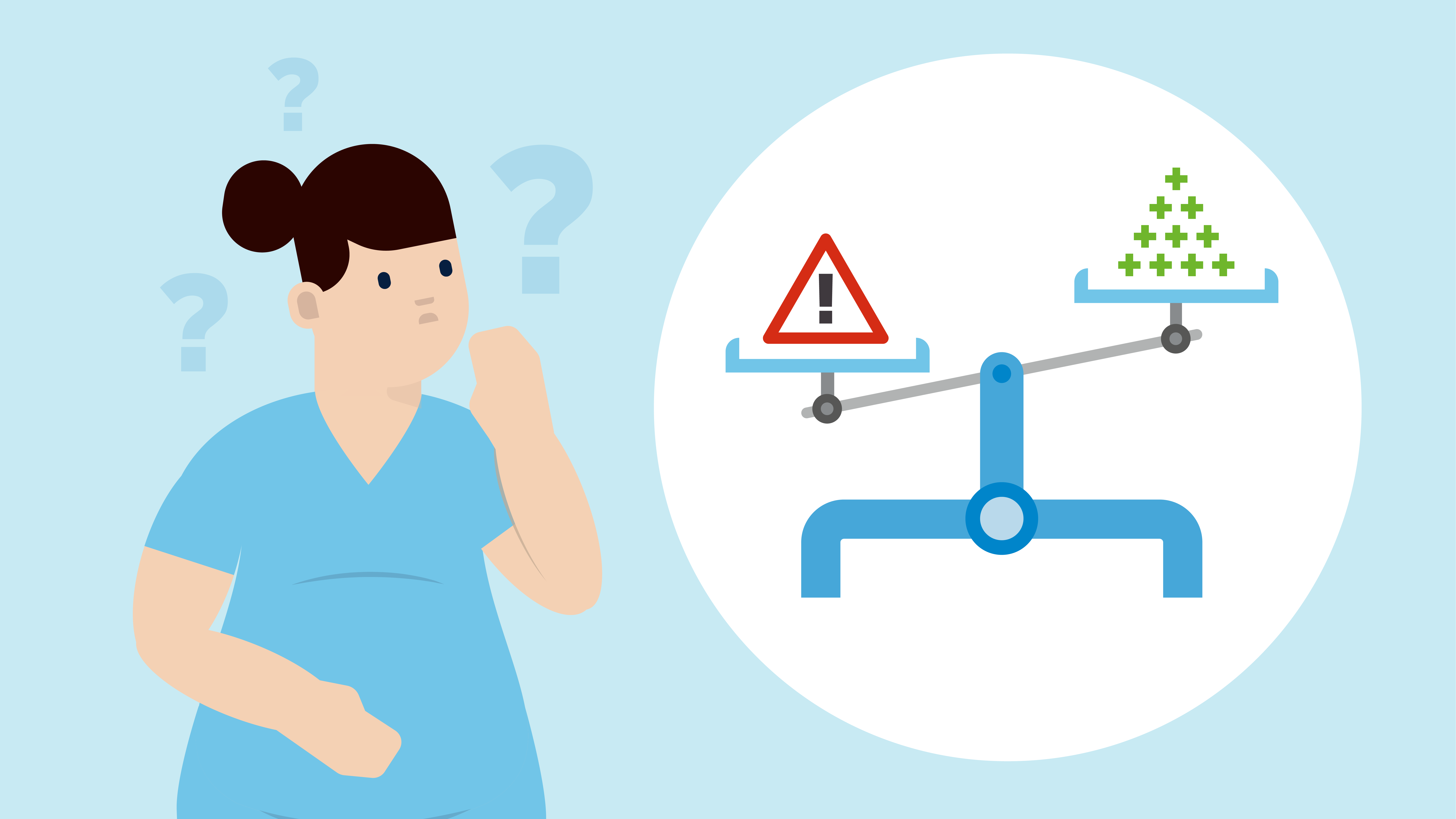
Any, and all types of surgery carries risk, however bariatric surgery is comparatively very safe. Below you will find a list of risks and some complications which can occasionally occur with bariatric surgery.
For most people who qualify for bariatric surgery, the health benefits outweigh the risks. It’s also worth keeping in mind that if you want to get the best outcome from your surgery you must be prepared to make the long-term behavioural changes necessary to achieve this. For further information on risks and complications, speak to your healthcare team.
- Bleeding
- Blood clots
- Constipation
- Diarrhoea
- Dumping syndrome
- Hernia
- Leakage
- Perforation of stomach or intestines, or injury to other organs
- Pouch/anastomotic obstruction or bowel obstruction
- Pulmonary and/or cardiac problems
- Reflux
- Stricture
- Small bowel obstruction
- Vomiting
- Vitamin, calcium or iron deficiency
- Wound infection.
For more information on individual risks and complications please see the link below
https://www.nhs.uk/conditions/weight-loss-surgery/risks/
The risk of not losing weight
Failure to lose weight or regaining weight in the long term is another risk of bariatric surgery. To mitigate this risk, it is vital that you follow all the lifestyle change instructions recommended by your health care team, including diet, exercise and vitamin guidelines.

How to recognise the symptoms
Urgent symptoms
While we do not expect you to have any serious problems after your surgery, some symptoms that you may experience need to be addressed immediately. If you experience any of the following symptoms, contact your health care team right away:
- Accelerated heart rate above 120 bpm
- Fever of 38°C or higher
- Redness, swelling, increased pain and/or pus-like drainage from your wound
- Chest pain and/or shortness of breath
- Nausea and/or vomiting that lasts for more than 12 hours
- Pain, redness and/or swelling in your legs
- Urine output less than four times in 24 hours
- Pain that is unrelieved by pain medication
Normal symptoms and when to be alert
- Moderate swelling and bruising are normal after any surgery.
- Mild to moderate discomfort or pain.
- Numbness – small sensory nerves to the skin are occasionally cut when the incision is made or are interrupted by undermining of the skin during surgery. The sensation usually returns within two to three months as the nerve endings heal.
Note: Be especially careful not to burn yourself when applying heating pads to the area that may have some postoperative numbness.
- Itching – itching and occasional small shooting electrical sensations within the skin frequently occur as the nerve endings heal. These symptoms are common during the recovery period.
Note: Ice, skin moisturisers, vitamin E oil and massage can help.
- Redness of scars – all new scars are red, dark pink or purple. The scars take about one year to fade.
Note: We recommend that you protect your scars from the sun for a year after your surgery. Even through a bathing suit, a good deal of sunlight can reach the skin and cause damage. Wear a sunscreen with a skin-protection factor (SPF) of at least 15 when out in the sun.