Categories
Diabetes

AAA-E-39 Physical activity

An active lifestyle incorporating lighter weights (with more repetitions) will help you to develop and maintain general good health. 

When you start make sure do some low-impact walking for about 10 minutes to allow your heart to gently adjust to the activity.

Make sure you drink water regularly to avoid becoming dehydrated as you increase your activity levels. Try not to go out during the hottest/coldest times of the day and be sure to rest when you need to.

Once you have warmed up, try exercises such as power-walking, jogging or hiking to get a good, steady work out without overloading your heart.

You don’t have to engage in vigorous activity to enjoy the benefits of exercise. Riding an exercise bike or using an elliptical machine or treadmill are also safe workouts for people with diabetes.

Categories
Diabetes

Diabetes – What is a healthy weight? Calculating your BMI

Body mass index (BMI) is a measure of body fat based on your weight in relation to your height.

It is calculated by dividing your weight in by the square of your height. It is calculated by dividing your weight by the square of your height.

You can use either metric units (kilograms and metres) or imperial/US measurements (stones and feet), just don’t mix the unit types.

Although it is not perfect for everyone; BMI is a simple, reasonable indicator of body fat for both adults and children and is calculated the same way for men and women over the age of 20.

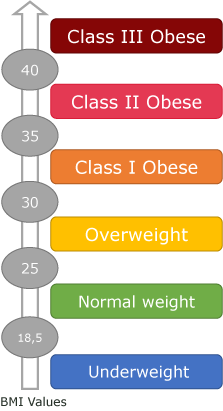
Here is the table to classify your BMI:

Being overweight or obese is a risk factor for the development of all cardiovascular diseases, including aortic stenosis.

If your BMI score indicates that you are overweight, or obese, consider taking measures to get healthier and lose excess weight. To start you can read the Eating healthily and Physical activity modules.

Ask your general practitioner or healthcare team about support and resources that are available to you in your area.