Smoking before and after surgery can greatly influence your recovery process. Learn how smoking can affect your procedure and how you can stop smoking – even if only for a few weeks before and after your surgery.
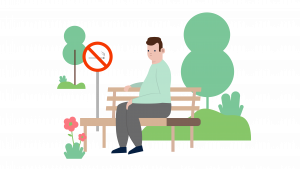
The dangers of smoking before surgery
Patients who smoke have a higher risk of postoperative lung infection and are at greater risk of heart attack and stroke after surgery – especially if there is a pre-existing condition such as angina, diabetes or high blood pressure. Smoking can also influence the healing process, and scarring can be much more prominent in patients who smoke.
The good news – quitting helps!
Quitting smoking greatly reduces the heart- and lung-related risks, both before and after surgery. Quitting isn’t easy, but it is an essential part of a successful recovery.
When should you quit smoking?
Quitting smoking entirely is always the best option and quitting for 6-8 weeks before surgery will help your lungs clear up and reduce the risk of developing a postoperative lung infection. Even quitting for just 2-3 days before surgery can increase the amount of oxygen you absorb and stabilise your heart rate. It is absolutely imperative that you do not smoke during the last 24 hours before surgery.
How can you quit smoking?
Motivation and goal setting are key to changing any habit. Set a date to quit smoking and mark it on your calendar. Remind yourself of the reasons you want to quit and how important it is for the success of your surgery. Use those reasons as motivation when you feel tempted to smoke.
When the craving kicks in
When things are especially difficult, seek help from people you trust. If you feel like you need a little support, call your partner or a friend and tell them how you feel. This distraction, along with some words of encouragement, can help ease your cravings.
Avoid triggers
If you notice habits that trigger your desire to smoke, try to avoid them. Replace these habits with activities that are good for you, like going for a walk, calling a friend, doing a crossword puzzle or reading.
Reward yourself
Set small milestones for quitting and reward yourself when you reach them. When you go a full day without smoking, a full week, a full month, give yourself a little reward – a walk on the beach, a hot bath, a trip to the movies. Spend the money you save on cigarettes on something special for yourself. This will help keep you motivated and on track.