Whether you drink occasionally or regularly, consuming alcohol in the days and weeks before surgery can greatly increase your risk of complications.
The risks of alcohol
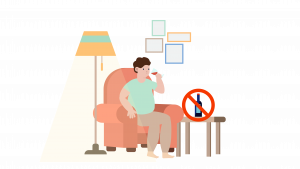
Even small amounts of alcohol like beer and wine can impair your immune system and increase the risk of heart muscle injury, lung infection and bleeding. To give your body the best chance at a successful recovery, avoiding alcohol is strongly recommended.
The benefits of abstaining
Reducing alcohol intake in the weeks prior to surgery will benefit your recovery immensely. It’s important to stop drinking alcohol at least 48 hours before surgery – longer, if possible. If you generally have a very high consumption of alcohol, you may experience withdrawal symptoms. If this happens, be sure to discuss with your healthcare team.
Quitting tips
Quitting anything is difficult. These tips can help you stay motivated:
- Set a date for when you will stop drinking alcohol. Write this date down to make it real.
- Associate an intention with your goal by identifying why you are stopping. For example,
“I will quit drinking alcohol next Tuesday so that I can recover well from my surgery.” - If you have habits or behaviours that trigger your desire for a drink, do your best to avoid them.
- If you have the urge for a drink, distract yourself by going for a walk or calling a friend to talk.
- Set milestones – one full day without drinking alcohol, one full week, etc. – and reward yourself when you reach them.
Many complications can arise from drinking alcohol prior to surgery, especially if you drink regularly. For more information, contact your healthcare team and follow the programme they recommend.