Introduction to physical activity
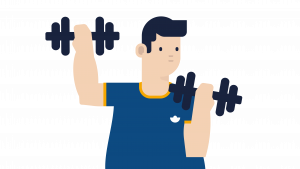
Now that your bariatric assessments are complete, and your health care team has approved you for exercise, let’s take a look at the physical activity programme recommended for you.
The benefits of exercise
Regular physical activity is beneficial for your whole body. When you exercise, you use the energy that comes from the nutrients you consume. Movement provokes metabolic changes in your body. Your heart works harder, improving your cardiorespiratory and muscular fitness for the long term. Daily movement nurtures your joints and ensures healthy bone density.
Exercise also stimulates the secretion of endorphins in the brain –hormones that make you feel happier and more relaxed, reduce depression and anxiety, and can make you feel better about yourself. Exercise can also be a great way to socialise and can help you sleep better.
Once you get into the habit of exercising, you will also notice all of your daily activities become easier and you will become more and more inspired and motivated to become fitter and healthier.
When should you begin exercising?
The sooner you start exercising, the easier your recovery will be after surgery. Evidence shows that consistent physical activity, both before and after surgery, is the most important predictor of long-term and sustainable weight loss.
Get going with your patient engagement programme
Your patient engagement programme will help you get started by introducing you to the basics of different types of exercise, intensity levels, how to execute exercises and more. You’ll learn more about why and how to exercise and how to make it fun. The goal is to keep you motivated and focused on being physically active, even just a little bit, every day – both before and after your surgery.
Incorporating more movement and activity into your daily routine doesn’t have to mean going to the gym every day – although it could. It could also mean walking more, playing with your children – and simply swapping sedentary activities like watching TV with more active endeavours like hiking in the woods.
It may be difficult at first, but the sooner you incorporate more movement into your life, the more confident you will be about your ability to adopt a more active lifestyle. Remember that an active lifestyle must be combined with a healthy and balanced diet to achieve your weight loss goals.
Exercise before surgery
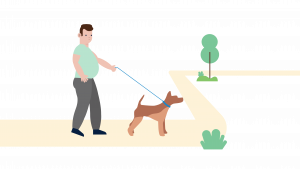
The main objective before surgery is to begin moving, if you haven’t already. Start slowly and build up little by little. Don’t overdo it and don’t be discouraged if you can’t achieve much in the beginning. Even if you can only walk briskly for 5 minutes – that’s a start. Tomorrow, try for 6 minutes. It’s important to listen to your body and build up your energy and ability over time. After a few weeks, you may be able to walk for 20 minutes.
You will be able to feel your muscles more prominently. Perhaps you can add some strength training exercises. Pick up some light weights and do a few bicep curls. During this period, try building up an awareness of what is happening in your body while it is in motion. Pay attention to your breathing and focus on deep inhales and exhales. This is also great for your recovery process.
Better physical condition before surgery helps:
- Reduce surgical complications and facilitate healing and your postoperative recovery
- Set you up for success with adopting a healthy post-surgery lifestyle; the more movement you do before surgery, the easier it will be after the surgery
- Tone your muscles to reduce the impact of loose skin and help regenerate connective tissue