Maintaining a healthy diet before surgery

A healthy diet is important for great health, but did you know that it’s also crucial for the lead up to your surgery? Maintaining a well-balanced, nutrient-rich diet will ensure your body has everything it needs to handle the stress of surgery. Furthermore, to reduce the risks associated with all types of surgery, your surgeon may ask you to lose weight.
Your pre-surgery diet plan has four primary goals:
- To make you as healthy as possible prior to your procedure, improving your surgical outcome and recovery from bariatric surgery.
- To help shrink the liver and reduce fat in the abdomen, making the procedure easier and reducing the risk. If the liver is too large, bariatric surgery may have to be postponed or performed as an open (invasive) procedure instead of as a less-invasive laparoscopic procedure.
- To help you begin forming better eating habits, so you can reach your post-op weight loss goal and maintain a healthy weight.
- To increase your protein intake, which can help preserve and protect muscle tissue post-surgery.
Healthy food and small portions
A healthy weight plays a key role in reducing the risks associated with a procedure like the one you are about to undergo.
Pre-surgery protein
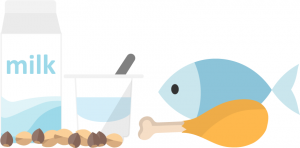
Proteins provide fuel and force your body to use fat as an energy source, preventing loss of lean muscle. Lean meats, kidney beans and lentils are excellent, high-protein foods you can consume as part of your pre-surgery diet. Replacing sugars, fats and carbs with proteins also increases satiety (your sense of fullness) and appetite control, contributing to more effective long-term weight loss.
Don’t be discouraged! You may find it difficult to eat these types of foods at first, but it will get easier over time. If you have any special dietary requirements, such as diabetes, food intolerances, allergies or you are a vegetarian, be sure to inform your health care team.
Unhealthy foods and drinks
Foods to avoid


- Foods high in carbohydrates and starches: especially bread, pasta, potatoes, pizza, cereal and rice.
- Foods high in sugar: chocolatey desserts, cakes, biscuits, ice cream, etc. Drop fruit drinks from your liquid diet. Avoid packaged fruit drinks as well as freshly juiced fruit as both can cause your daily caloric intake to increase quickly.
- Foods high in fat: cheese, fried foods and fatty meats are all high in fat and calories and can wreak havoc on your digestive system.
- Soda and other carbonated beverages: including diet sodas and sparkling water. Artificial sweeteners can trigger an excessive insulin response. And carbonated drinks are prohibited after bariatric surgery, as the carbonation can cause bloating, pain and harmful stretching of the stomach.
- Sugary marinades or sauces: another source of hidden sugar.
Avoid alcohol
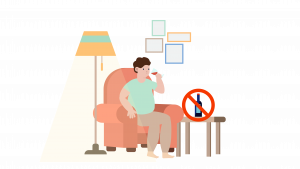
Reducing alcohol intake in the weeks prior to surgery will benefit your recovery immensely. It’s important to stop drinking alcohol at least 48 hours before your surgery – longer, if possible. If you generally have a very high consumption of alcohol, you may experience withdrawal symptoms. If this happens, be sure to bring this up with your health care team. They will suggest which protocol to follow before and after surgery.
Quitting anything is difficult, even if it’s only for a few weeks. These tips can help you stay motivated:
- Set a date by which you must stop. Write this date down to make it real.
- Associate an intention with your goal by identifying why you are stopping. For example,
“I am quitting drinking next Tuesday so that I can recover well from my surgery.” - If you have habits or behaviours that trigger your desire to drink, avoid those behaviours.
- If you feel the urge for a drink, distract yourself by going for a walk or calling a friend to talk.
- Set milestones – one full day without drinking, one full week, etc. – and reward yourself when you reach them.
Pre-operative diet
Your typical daily pre-operative caloric intake may be reduced depending on your doctor’s recommendations. Because you will be consumer much fewer calories than what you are used to, staying hydrated is important.
Your diet plan will consist of set daily quantities of foods from 5 food groups daily. It will suggest 3 portions of carbohydrates (approximately 100 g), 2 portions of proteins and fruit (70 to 120 grams), 3–5 portions of vegetables and 2 portions of dairy, for a total of 3 meals and 2 or 3 snacks.
When preparing for bariatric surgery, it can be useful to start eating and drinking the same way you will after surgery.
The tables below list examples of food portion sizes:
Sources
http://www.med.navy.mil/sites/nmcsd/Patients/Documents/bariatric_form_nutritionrec.pdf
http://www.pacificbariatric.com/weight-loss-surgery/pre-op-diet
http://surgery.ucla.edu/bariatrics-nutrition-before-bariatric-surgery
https://www.livestrong.com/article/374304-diet-to-help-you-lose-weight-before-a-gastric-bypass/
http://www.wlshelp.com/pre-weight-loss-surgery-diet.html
http://www.ouh.nhs.uk/patient-guide/leaflets/files/101018bariatricdiet.pdf
American Society for Metabolic and Bariatric Surgery https://asmbs.org/patients/bariatric-surgery-faqs