Categories
Klinik Obezite

KO-E-065 Medication adherence

Drugs after surgery

Anti-reflux drugs

Following surgery, your health team will prescribe antireflux medication for at least 3 months. These drugs support optimal healing, prevent gastric reflux, and anastomotic ulcers after gastric bypass surgery. After 3 months, your health team will evaluate your symptoms and your type of surgery to determine whether you should continue to take this medication or not.

Prevention of the gallstones

If you still have a gallbladder, your health team can prescribe ursodeoxycholic acid for 6 months to prevent the formation of gallstones.

If you have diabetes mellitus

As you will not eat many meals in the following days after surgery, your DM treatment will be adjusted according to your capillary glucose value. As a rule, the insulin dose is cut in half and the oral agents are taken only if needed. Please be in contact with your diabetes specialist during your follow-up to determine how your diabetes treatment should be adapted in the long term.

If you are using diuretics

If you had taken diuretics before surgery, you should avoid these drugs after surgery, as you will consume very little liquid and the dehydration risk will be increased. Your health team will inform you about the protocol you should follow.

If you are using CPAP

While you are applying for surgery, please do not forget to bring the CPAP (continuous positive airway pressure) device with you to the clinic. You will need this device the night before surgery and a few weeks after surgery. After you have lost a significant amount of weight, your health team will evaluate whether you still need treatment with this device.

Introduction to vitamin intake

Bariatric surgery may significantly change your body’s ability to absorb vitamins, minerals, and nutrients. Furthermore, the small amount of food you can eat will provide these components much less compared to the time before surgery. Vitamin and mineral deficiencies may lead to serious medical consequences. Therefore, it is very important that you take daily multivitamins and mineral supplements for the rest of your life. Your healthcare team will prescribe a supplement suitable to your needs.

Your physician will perform regular blood tests to control the nutritional deficiencies during your follow-up period. Some of the most common vitamins and minerals are as follows. If you forget to take your supplements, the risk of developing related symptoms will increase.

  • Iron

Iron deficiency is one of the most common deficiencies. Iron is most abundant in red meat, but eggs, beans, nuts, and apricots also contain iron in small amounts. Women regularly lose iron during menstruation. Your health team will probably prescribe iron supplements (80-120 mg/day) for you.

The symptoms of iron deficiency are:

  • Fatigue,
  • Irritability, and
  • Anemia – As the iron depots of the body can be measured (ferritin concentration), blood tests may show early signs of iron deficiency.

The more serious iron deficiency becomes the more problems related to the structure and functions of the tongue, nails, mouth, and stomach will start to develop. The skin may appear pale, and the inner side of the eyelids may become pink. The nails become thinner and flatter and they curve like a spoon over time. The patient may feel a burning sensation in the tongue and/or the tongue may appear red, flat, and soft. Heart failure may develop in untreated severe anemia cases.

Vitamin B1

Vitamin B1 is a very critical nutrient after bariatric surgery. It supports the oxidative metabolism of glucose, in other words the energy generation from glucose.

When the patient vomits or receives glucose perfusion, vitamin B1 deficiency worsens, which leads to glucose deficiency in the nervous system. Under these conditions, serious neurological symptoms may aggravate so-called sequels, which originate from a previous disease or injury. If vomiting lasts more than 12 hours, contact your physician.

  • Vitamin D

Pre-operative vitamin D deficiency is very common and usually worsens after all types of bariatric surgery. Vitamin D deficiency impairs bone health and is considered responsible for muscular dysfunction. Vitamin D deficiency may decrease bone density (osteopenia and osteoporosis) and may lead to bone fractures. Other problems related to vitamin D deficiency include muscular weakness and fatigue and falls in the elderly.

  • Vitamin B12 (Cobalamin)

Severe vitamin B12 deficiency may induce several neurological disorders such as cognitive dysfunction, depression, urinary incontinence, and polyneuropathy. If such complications emerge, B12 supplementation does not always reverse the symptoms. Blood B12 levels should be regularly monitored to prevent this critical deficiency.

The symptoms of B12 deficiency include numbness, tingling and burning sensations in the feet, muscle stiffness and general weakness in the legs. Anemia is common and can be diagnosed at an early stage with blood tests. Following the restriction of natural vitamin sources, the development of deficiency symptoms may take 5-6 years.

  • Calcium

Calcium is required for the proper functioning of many organs. The most important outcome of calcium deficiency is its negative impact on bone health (osteoporosis, decrease in bone density, and occasional bone fracture). The daily requirement is approximately 1000-1500 mg.

Tetany – Very low calcium blood levels may lead to muscular spasms in the legs such as cramps due to the increase in the sensitivity of the nerve fibers and neural centers. This condition is known as tetany.


  • Folic acid

Folic acid (vitamin B9) is important for the proliferation of red blood cells, healthy growth and functioning of the cells. In addition, folic acid has a critical role in decreasing cerebral and spinal birth defects in the early stages of pregnancy. The recommended daily dose for adults is 0.4 mg. Adult women, who plan a pregnancy or are pregnant, should take daily 400-800 mcg of folic acid.

The following symptoms of folic acid deficiency are usually mild:

  • Fatigue
  • Grey hairs
  • Oral wounds
  • Swelling in the tongue
  • Growth disturbances
  • Magnesium

Magnesium is a mineral and has the following functions:

  • Protects the normal nerve and muscle functions.
  • Supports a healthy immune system.
  • Contributes to the maintenance of a normal heart rhythm.
  • Contributes to bone health.
  • Regulates blood glucose levels and contributes to energy generation and protein production.

Magnesium deficiency leads to significant adverse symptoms like muscle pain or spasm, impaired digestion, anxiety, and sleep disorders.

Your physician will ask for regular control of your vitamin and mineral levels. If you have questions about your vitamin and mineral needs, deficiency symptoms or blood tests, please do not hesitate to contact our health team. 

A whole blood test is performed in the 1st, 3rd, and 6th months of surgery.

 

Categories
Klinik Obezite

KO-E-052 My surgery details: Gastric Sleeve

Categories
Klinik Obezite

KO-E-051 My surgery details: Omega loop gastric bypass


Categories
Klinik Obezite

KO-E-041 Post-bariatric reconstructive surgery

If you have lost a great amount of weight after bariatric surgery, skin sags may develop in certain places of your body. Some bariatric surgery patients prefer reconstructive surgery to remove this excess skin.

Plastic surgeons use contouring technics such as abdominal lifting to remove excess skin. These procedures are proven successful in supporting patients to restore their body shape and enjoy daily activities.

Patients should meet certain health criteria before reconstructive surgery following bariatric surgery. Please ask your family physician or surgeon whether you are a suitable candidate for reconstructive surgery. If you are not, please try to learn what you can do to improve your health condition in order to be evaluated as eligible for reconstructive surgery.

Requirements for plastic surgery:

  • A good general health condition
  • At least one year should be passed after bariatric surgery
  • The weight loss process has to be completed at least six months ago.
  • A BMI value of 25 or less is required for better short-, medium- and long-term outcomes.
  • No vitamin/mineral deficiency
  • No smoking for better wound healing
  • No active pregnancy, no pregnancy planning for the next year
  • A balanced diet and regular exercise
  • Realistic expectations


Procedures to be assessed

Depending on the amount of lost weight and the location of excess skin, you can consider one or more of the following post-bariatric reconstructive procedures:

  • Abdominoplasty: Abdominoplasty is an effective post-bariatric reconstructive procedure, which not only removes excess skin but also tightens the abdominal muscles so that a thin waistline and a flat stomach is formed. Please take into consideration that abdominoplasty leaves a long and prominent wound scar on your lower abdomen.
  • Brachioplasty: Brachioplasty starts with an incision in the lower part of the upper arm. Then, excess skin is removed to form a tightened and firm appearance. Please note that brachioplasty leaves a long wound scar starting from the upper part of your upper arm and extending to the lower part.
  • Gluteoplasty (Brazilian butt lift): The hip area commonly requires body contouring after the weight loss process. The plastic surgeon lifts and reshapes this part of the body to create smoother and tighter contours.
  • Mastopexy (Breast Lift): As the breasts consist mostly of fat tissue, they can be significantly affected by weight loss. Breast augmentation and mastopexy are two body contouring techniques, which help lift the breast line after weight loss.
  • Thigh lift: Excess skin remains in the thigh area of many patients following bariatric surgery. Thigh lift surgery may be useful for these individuals. There are many thigh lift techniques. The difference between them is the type of incision:
    • Vertical thigh lift: The incision starts from the inguinal area and extends to the inner side of the knee. Excess skin is removed from the inner side of the thigh. A wound scarring may remain after healing.
    • Medial thigh lift: is the most popular thigh lift technique. This type of surgery is ideal for individuals who have moderate fat and excess skin in the medial part of their thighs. An incision is made on the folding line of the inguinal area and the skin is tightened after the lifting process.
    • Outer thigh lift: an incision is made from the hip to the inguinal area.
    • Spiral thigh lift: is a new thigh lift procedure, during which the posterior, anterior, lateral, and medial areas of the thigh are reshaped. The incision starts just under the hip and extends towards the folding line in the inguinal area. This surgery is usually performed in patients, who need the removal of a great amount of skin and fat from related areas.


Many people want to learn whether reconstructive surgical procedures are reimbursed by health insurance or the state health system. Some procedures are reimbursed some are not.

Categories
Klinik Obezite

KO-E-043 Managing pain

Pain management

You may feel pain in the incision site or surgery site depending on the position of your body. Some patients may experience neck and shoulder pain after laparoscopy. Your comfort is important for your health team.

Although some discomfort can be experienced after every surgical intervention, pain should be kept under control for your healing process. If you feel comfortable, you will do activities like walking, deep breathing and coughing more freely. All of these are very important for quick recovery.

Some tips to help you feel more comfortable

  • If you have pain, which prevents your mobility, deep breathing, and your comfort in general, report your condition to your nurses and physicians.
  • Everybody is different; therefore, inform your nurses always how you feel. This will make it easier for your nurses to help you.
  • Make a plan ahead for pain; if you are comfortable lying down, you may still need an analgesic agent to get up and walk around.
  • Be one step ahead of your pain. Do not wait until that pain becomes worse. The analgesic agents provide the best results when they are used to prevent pain.
  • If the analgesic agents are used for a specific medical purpose like surgery, the risk of becoming dependent on them is very low.
Categories
Klinik Obezite

KO-E-047 Weight loss surgery and pregnancy

Bariatric surgery and Pregnancy

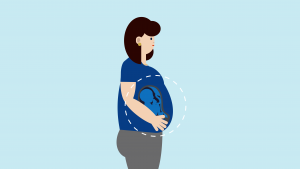
Bariatric surgery can improve your fertility status. Several studies demonstrated that women, who had obesity-related fertility problems and underwent surgery, started to ovulate regularly for the first time after many years. However, it is important to wait at least 12 months after surgery before you get pregnant and be sure that your metabolism is re-balanced.

It is safe to get pregnant 12-24 months after bariatric surgery.

Following surgery, your body passes through stressful changes and experiences serious nutritional changes, which can be a problem for a growing baby. Physicians recommend avoiding pregnancy for about 12-24 months after surgery to prevent nutritional deficiencies. 

If you become pregnant

If you plan to become pregnant after your weight is balanced following surgery, it is highly recommended that you stay under the follow-up of a multidisciplinary team. It is very important that you take multivitamins and mineral supplements and are monitored by a specialist for any nutritional deficiency. A careful evaluation of the gastrointestinal complaints and a relevant consultancy in addition to a different approach for gestational diabetes is required.

Categories
Klinik Obezite

KO-E-049 My surgery details: gastric bypass (Roux-en-Y)


Categories
SMS - Baria

SMS – Baria-E-047 Weight loss surgery and pregnancy

Bariatric surgery can produce a positive change in your fertility. Several studies have found that women with obesity-related fertility issues start ovulating regularly for the first time in years after having bariatric surgery. However, it is important to wait at least 12 months after surgery, and to be sure that your metabolism has stabilised, before trying to become pregnant.

Pregnancy after bariatric surgery is safe — after 12—24 months

After bariatric surgery, your body goes through some potentially stressful changes and significant nutritional upheaval, which can pose problems for a growing baby. To protect you and your baby from the risk of malnutrition, doctors recommend that women avoid pregnancy for 12—24 months after having bariatric surgery.

Long-acting contraception is strongly recommended

If you become pregnant

If you are planning to become pregnant after your post-surgery weight stabilises, it is highly recommended that you remain under the care of a multidisciplinary health care team. It is crucial that your take multivitamin and mineral supplements and that you are regularly monitored by a specialist for deficiencies.

REFERENCES:

Categories
SMS - Baria

SMS – Baria-E-062 Surgical treatment options for obesity

In the case of significant obesity, bariatric surgery may be worth considering. To qualify, you must meet the following criteria:

  • Have a body mass index (BMI) higher than 40 or a BMI of 35 with associated complications such as type 2 diabetes. Lower BMI may be considered in special circumstances.
  • Be age 18 to 65. Outside this range will be assessed individually.
  • Have no psychological issues that would make bariatric surgery inadvisable.
  • Reasonable surgical candidate. Full pre-operative individual surgical risk assessment before final decision is made
  • Suitable for general anaesthetic, again individual risk assessment necessary before final decision is made.


Bariatric surgery will only be considered if you have attempted, unsuccessfully, to lose weight using specialised medical treatment for several months (with dietary monitoring, physical activity, and psychological therapy). The decision to operate is made jointly by you and your attending physician, surgeon, endocrinologist, nutritionist, and psychologist or psychiatrist.

Weight loss goals

The goal of obesity treatment is to reach and maintain a healthy weight. You will need to work with a team of health care professionals — including a dietitian, behaviour counsellor or an obesity specialist — to help you understand and make changes to your eating and activity habits.

Bariatric surgery does not guarantee a certain amount of weight loss.

The surgery is a catalyst for weight loss – ultimately it is up to you to reach your weight-loss goals. Success depends on personal motivation and effective behavioural change.

Risks and complications

As with any major surgery, weight-loss surgery has risks. Complications are rare yet can become significant due to obesity. Conditions such as diabetes, hypertension and sleep apnoea tend to increase the risk of complications. Thorough pre-surgical preparation along with careful follow-up can reduce the risks. However, it is important that you fully understand all potential risks in order to make an informed decision.

Your skilled surgical team will, of course, do everything they can to avoid complications. If a problem does occur, your surgical team will seek to resolve it as quickly as possible.

Categories
SMS - Baria

SMS – Baria-E-052 My surgery: Gastric Sleeve

The sleeve gastrectomy, also known as the gastric sleeve, reduces the size of the stomach by around 80%. This means you feel full more quickly (increased satiety) and you experience a decrease in appetite. The procedure is usually performed laparoscopically and takes between 60 and 75 minutes to complete. This procedure has shorter operating times, lower complication rate and faster recovery times compared to other bariatric procedures.