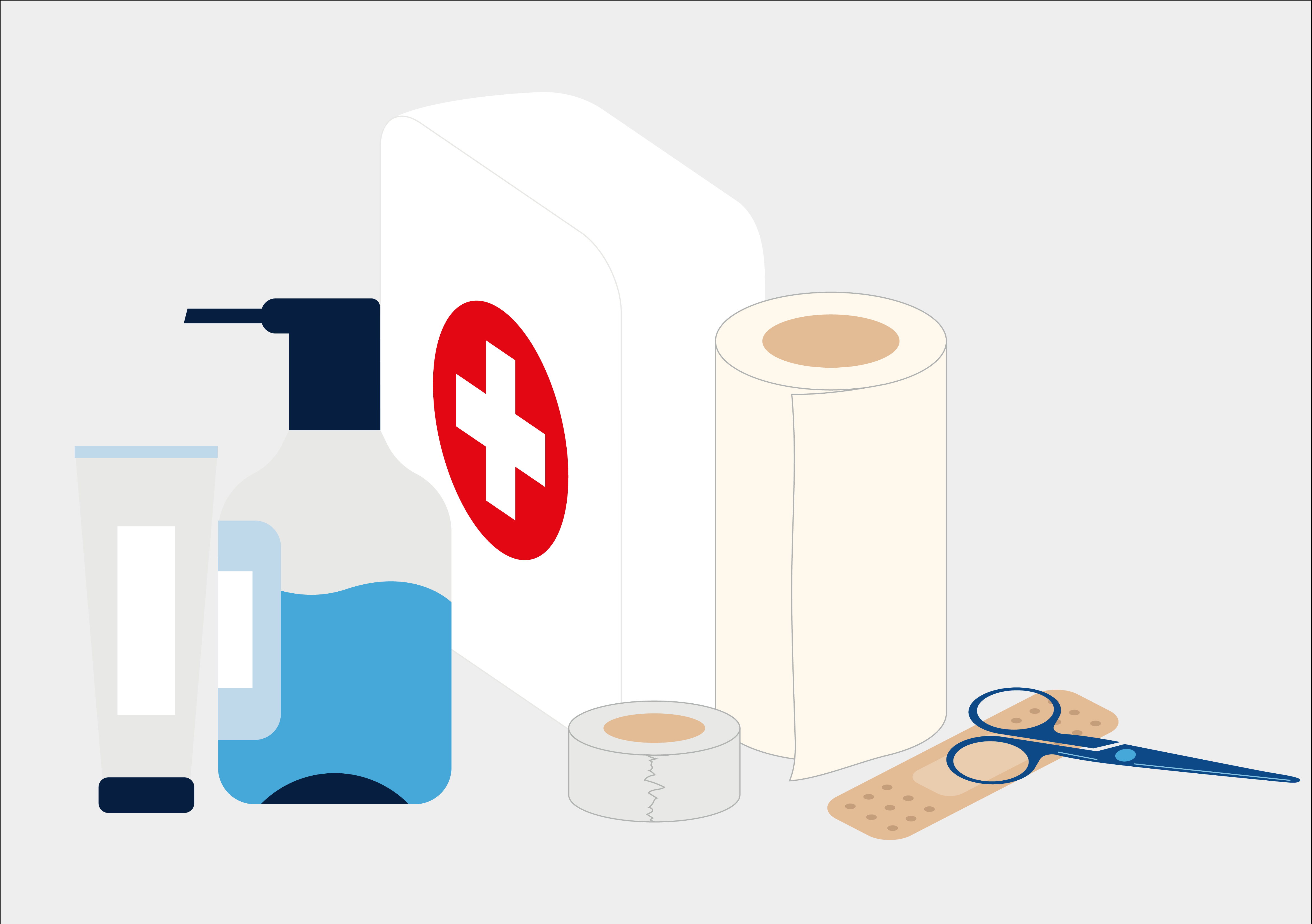
All surgical wounds require the same basic care and it is useful to be able to care for your wound at home. Before you leave the hospital, the wound care nurse may make several appointments for you at the hospital outpatient clinic to check that your wound is healing normally. They may also show you how to clean and re-apply a dressing to your wound once you are at home.
Be careful to avoid any movements that pull or stretch your wounds while they are still healing, especially if you have a larger one on your abdomen. Follow your doctor’s advice regarding what physical activity you can do safely.
Here is some basic advice about how to deal with surgical wounds. If you have any questions or concerns, if the wound is painful, if there is more discharge (pale fluid and a little blood) rather than less, or if you feel feverish and unwell, contact your care team as it could indicate an infection:
- Always wash your hands in soap and water first. Dry them on a clean towel or tissue.
- Peel the old dressing off carefully by the edges. Do not touch the absorbent pad.
- Unwrap the new dressing carefully. Do not touch the inside of the clean dressing when you stick it on.
- Do not touch the wound. Do not put anything on it unless your wound care nurse has instructed you to do so.
- If you see any stitches or clear thread poking out, do not pull or cut them!
- Afterwards, throw away soiled dressings carefully and wash your hands again.
Once your wound has healed and the dressings have been removed…
- Protect your scar from the sun in the first year. Afterwards, always use factor 50.
- A hypoallergenic moisturising cream or oil on the scar will help it heal with reduced prominence.
- Ask your care team or general practitioner about when you can bathe or swim.
- Wash your wounds gently with a mild soap and pat them dry with a clean towel. Do not rub them.
Be aware that during the healing phase it is normal for your wounds:
- and the surrounding area to feel numb, itchy or tingly. This occurs as the nerves heal.
- to have bruised or black and blue skin around the incisions and a little redness along the incision edges.
- to have a small notch of skin at the top, especially for bigger incisions. This will disappear gradually as the wound heals