Emotional eating is a common response to stressful, difficult feelings by eating – even when you’re not actually hungry.
Using food occasionally as a pick-me-up, a reward, or to celebrate is perfectly alright. But when eating becomes a primary emotional coping mechanism – when your first impulse is to open the refrigerator whenever you’re stressed, upset, angry, lonely, exhausted or bored – this can trigger an unhealthy cycle which may alleviate in the short term, but does not address the underlying feelings or problems.
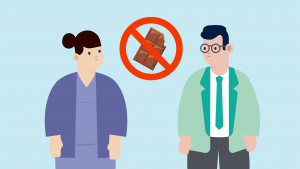
Finding other fulfilment
Emotional hunger can’t be met with food. Eating may feel good in the moment, but eating does not make the feelings go away. And it can leave you feeling even worse, for instance because of the guilt associated with this type of behaviour.
It is important to learn to manage your emotions in a way that doesn’t involve food in order to sustainably maintain healthy eating habits. One reason why diets so often fail is because they offer logical nutritional advice without addressing the issues that trigger emotional eating.
Alternatives to emotional eating
The trick to stopping emotional eating is to find other ways to achieve emotional fulfilment. These might include:
Feeling out or sorts or lonely? Call someone who always makes you feel better, play with your dog or cat or look at a favourite photo or cherished memento.
Feeling anxious? Release nervous energy by dancing to your favourite song, squeezing a stress ball or taking a brisk walk.
If you’re exhausted? Treat yourself to a hot cup of tea, take a bath, light some scented candles or wrap yourself in a warm blanket.
Feeling bored? Read a good book, watch a comedy show, explore the outdoors or turn to an activity you enjoy.
If you need extra support, speak with your GP or psychologist.
What is an eating disorder?
Eating disorders are characterised by irregular eating habits and severe distress or concern about body image. Eating disorders commonly coexist with other conditions, such as anxiety disorders, substance abuse or depression.
Emotional eating can be a sign of a more serious condition.