Categories
SMS - Baria

SMS – Baria-E-049 My surgery details: gastric bypass (Roux-en-Y)

The Roux-en-Y gastric bypass is one of the most common weight loss surgical procedures. It results in weight loss by significantly reducing the size of your stomach, so you cannot eat as much, and by bypassing your small intestines, so you absorb less fat from the foods you eat.


The procedure

This procedure comprises two steps: partitioning of the stomach and reconstruction of the gastrointestinal tract.

    • A small pouch is created from the upper stomach using staples. This process leaves the larger part of the stomach non-functional.
    • The small intestine is divided into two parts. One end is then attached to the stomach pouch. The other end, which is still connected to the part of the stomach that is no longer functional, is reattached to the intestinal tract to enable drainage of the digestive juices.

Categories
SMS - Baria

SMS – Baria-E-050 Gastric banding

GASTRIC BANDING (LAPAROSCOPIC ADJUSTABLE BAND OR LAP-BAND)

Gastric banding is a restrictive surgical procedure that uses a band to reduce the size of your stomach without cutting or stapling. The aim is to slow and limit the amount of food that can be consumed at one time, helping you feel full faster and stay satisfied for longer periods of time, thus promoting gradual weight loss.


The procedure

An inflatable band is placed around the upper part of the stomach to make the stomach pouch smaller. It is adjustable (adjustments can be uncomfortable) and can be adapted to suit the individual patient. You will have a port attached to the band that is placed flat against the muscle wall, below the fat and skin of your abdomen. The band is adjusted or tightened by either adding or removing fluid through the port. It will need to be adjusted periodically to control hunger and enable weight loss to progress in the months following your surgery. Your first adjustment will be around 4–6 weeks following surgery, giving your body time to heal. It is common to experience swelling around the band.

Categories
SMS - Baria

SMS – Baria-E-051 My surgery Omega loop gastric bypass

OMEGA LOOP GASTRIC BYPASS (Mini-gastric bypass)

The procedure

The omega loop gastric bypass, or mini-gastric bypass, is an alternative to the Roux-en-Y procedure and consists of two steps: reduction of the stomach and looping of the small intestine to connect to the smaller stomach.


  1. The stomach is divided along its entire length, creating a long narrow tube.
  2. A loop of the small intestine is then brought up and attached to the newly created stomach tube. This process bypasses the upper part of the intestine while still enabling drainage of digestive juices from the detached part of the stomach.


Categories
SMS - Baria

SMS – Baria-E-043 Managing pain

In the days immediately following bariatric surgery, you may feel pain where the incision was made or from the position your body was in during surgery. Some patients may also experience neck and shoulder pain after having a laparoscopy.  

Your comfort is very important to your health care team.

Although there will always be some discomfort after an operation, keeping your pain under control is necessary for your recovery. When you are comfortable, you are better able to take part in activities such as walking, deep breathing, and coughing, all of which are imperative for a quick recovery.

Here are some tips to help you feel more comfortable

  • Tell your nurses and physicians if you have pain, particularly if it keeps you from moving, taking deep breaths and generally feeling comfortable.
  • Everyone is different, so keep your nurses informed about how you feel. That will help them help you.
  • Plan ahead for pain – if you are comfortable lying down, you may still need some pain medication to get up and walk around.
  • Keep ahead of the pain. Don’t wait for the pain to be at its worst. Pain medication works best when used to prevent pain.
  • The risk of becoming addicted to pain medication is very low when it is used for a specific medical purpose, such as for post-surgery pain management.


Categories
SMS - Baria

SMS – Baria-E-052 My surgery: Gastric Sleeve

The sleeve gastrectomy, also known as the gastric sleeve, reduces the size of the stomach by around 80%. This means you feel full more quickly (increased satiety) and you experience a decrease in appetite. The procedure is usually performed laparoscopically and takes between 60 and 75 minutes to complete. This procedure has shorter operating times, lower complication rate and faster recovery times compared to other bariatric procedures.


Categories
SMS - Baria

SMS – Baria-E-027 My weight loss journey post-surgery

Bariatric surgery will impact your daily life – for the rest of your life. You will always need to pursue a healthy lifestyle. 

‘The honeymoon phase’

In the first few months after your surgery, it may seem easy to follow the recommendations of your health care team. You won’t be very hungry, you will eat very small amounts of food, you may struggle to meet your daily food-intake requirements and you will have frequent contact with your health care team. During this period, it may seem like the weight is just melting away. Many people refer to the first year after surgery as the ‘honeymoon phase’.


Unfortunately, the honeymoon doesn’t last forever …


Things may seem different as you reach the one-year mark. Typically, after the first year, hunger returns a bit, food volumes increase, and it can be trickier to stay on track. Your diet is very important throughout your journey, but some argue that it is even more important as you reach the one-year mark. Adhering to the diet prescribed by your nutritionist in the long-term is critical to achieving lifelong weight loss.


Categories
SMS - Baria

SMS – Baria-E-025 Post-op nutrition protocol: general suggestions

During your hospitalisation, your healthcare team explained to you about the nutrition programme you will need to follow, both in the coming months and for the rest of your life. Adhering to this programme is the key to weight loss success. It’s important that you stick to the programme to ensure that you get the right nutrients and to avoid possible adverse effects.

Your patient engagement programme will keep track of everything you need to remember. And if you have any questions, please don’t hesitate to contact your healthcare team.  

Here are some helpful tips for modifying your behaviour to keep you on the path to better health.

  • Eat very slowly – an easy trick is to put your fork down between each bite.
  • Chew thoroughly – this is very important to prevent food from blocking the stomach opening.
  • Set aside more time for meals – up to 45 minutes to eat a small amount.
  • Stop eating as soon as you feel full. Do not force yourself to finish a portion or exceed the amount tolerated by your stomach.
  • Drink fluids regularly between meals – at least 2 litres per day. Stop drinking 30 minutes before starting a meal and resume 30 minutes after finishing a meal.
  • The carbonation in soft drinks and sparkling water can upset your stomach. Plain water or warm tea are best. Or add fruit slices or some mint for a bit of flavour.
  • Avoid alcohol for the first six months after surgery, especially carbonated drinks and sugary mixes.
  • Eat 6 to 7 small meals throughout the day, making sure to plan snacks between the main meals.
  • Never skip a meal.
  • Avoid all things sweet: sugar, honey, sweets, chocolate, jam, fruit pastes, sweet compotes, cookies, fruit syrups, commercial desserts, industrial beverages, ice cream, etc.
  • Avoid hidden fats: pastries, popcorn, crisps, French fries, etc.
  • Avoid high-fat foods even those generally considered healthy: mayonnaise, cream, bacon, cold cuts, dried fruits, avocado, olives, etc.
  • Avoid raw, crunchy vegetables (carrots, celery, etc.) in large quantities as they can easily block the stomach opening.
Categories
SMS - Baria

SMS – Baria-E-024 Nutrition plan after surgery

LOCAL INPUT: Hospital specific nutritional plan

Categories
SMS - Baria

SMS – Baria-E-004 Quitting drinking before surgery

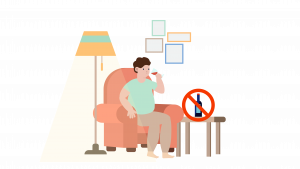
Whether you drink occasionally or regularly, consuming alcohol in the days and weeks before surgery can greatly increase your risk of complications.
The risks of alcohol

Even small amounts of alcohol like beer and wine can impair your immune system and increase the risk of heart muscle injury, lung infection and bleeding. To give your body the best chance at a successful recovery, avoiding alcohol is strongly recommended.


The benefits of abstaining

Reducing alcohol intake in the weeks prior to surgery will benefit your recovery immensely. It’s important to stop drinking alcohol at least 48 hours before surgery – longer, if possible. If you generally have a very high consumption of alcohol, you may experience withdrawal symptoms. If this happens, be sure to discuss with your healthcare team.


Quitting tips

Quitting anything is difficult. These tips can help you stay motivated:

  • Set a date for when you will stop drinking alcohol. Write this date down to make it real.
  • Associate an intention with your goal by identifying why you are stopping. For example,
    “I will quit drinking alcohol next Tuesday so that I can recover well from my surgery.” 
  • If you have habits or behaviours that trigger your desire for a drink, do your best to avoid them.
  • If you have the urge for a drink, distract yourself by going for a walk or calling a friend to talk.
  • Set milestones – one full day without drinking alcohol, one full week, etc. – and reward yourself when you reach them.

Many complications can arise from drinking alcohol prior to surgery, especially if you drink regularly. For more information, contact your healthcare team and follow the programme they recommend.


Categories
SMS - Baria

SMS – Baria-E-007 Information on personal hygiene prior to surgery

Skin integrity is essential for the operative site. It is therefore important to maintain good hygiene by keeping your skin clean and dry, especially in the days leading up to surgery. Skin breakdown can potentially cause your surgery to be delayed.


Showering before surgery

It’s very important to shower the day before surgery – following the recommendations of your health care team. Remember to wash from chin to toes, paying close attention to abdominal skin folds and the pelvic area.

On the day of surgery, it is recommended that you shower in the morning.

  • Refrain from using moisturisers, lotions or makeup
  • Remove any nail polish
  • Take off any jewellery
  • You may wear dentures, but you will need to remove them just prior to surgery
  • You may brush your teeth and gargle, but it is important that you do not swallow anything