Categories
SMS - Baria

SMS – Baria-E-039 My pathway after surgery

A healthy new you awaits


During the first 6 months after surgery, it will be very important to follow the instructions of your health care team to the letter. Your team will prescribe a post-operative nutrition protocol, vitamin and mineral supplements and a physical activity programme. You will also need to attend several follow-up visits with your health care specialists. Get Ready will keep you on top of everything you need to remember during your short-term follow-up.


Don’t hesitate to contact your health care team

If you have any doubts about how to follow your post-surgery instructions, do not hesitate to contact your health care team. If you need psychological or peer support, do not hesitate to reach out to the relevant resources. For more information, contact your bariatric clinic. During the short-term follow-up phase, Get Ready will ask you to complete some questionnaires that will help your health care team better serve you.

Categories
SMS - Baria

SMS – Baria-E-034 What to pack for my hospital stay?

The following is a list of items you might consider packing in order to make your stay in hospital easier and more comfortable:

  • Paperwork: insurance card/information, completed health care proxy form, identity card
  • List of allergies
  • Contact information: An emergency contact number plus phone numbers of any physicians, family and friends you might need to contact
  • Medications: be sure to pack all medications you are taking in their original packaging, as well as your medication list and prescriptions (dosage and how often you take them)
  • Toiletries: soap, shampoo, deodorant, toothbrush, toothpaste, comb/brush, shaving kit, hand lotion, cosmetics etc.
  • Clothes and footwear: loose-fitting clothes such as tracksuit bottoms or jogging bottoms, jogging top, jumper or perhaps a cosy cardigan, t-shirts, pyjamas, bathrobe, slippers
  • Eyeglasses (not contact lenses)
  • Any assistive devices you use (walker, cane, etc.)
  • Prostheses, dentures, hearing aids and similar items


Bring only items that are completely necessary. Leave all valuables and personal items like jewellery, large amounts of cash or credit cards at home. Bring only a small amount of cash for purchasing newspapers, television access, etc. The hospital is not responsible for loss or theft of any personal belongings.

Your clinic will provide additional advice for your stay in hospital.

Categories
SMS - Baria

SMS – Baria-E-032 Specialist consultations before surgery

The preparation journey

Bariatric surgery requires extensive preparation to ensure you are physically and mentally ready for the dramatic lifestyle change you are planning to undergo.

During the preparation phase, you will meet several specialists who will assess various aspects of your health. This is both to validate that bariatric surgery is the right option for you and, if so, to optimise your health prior to surgery.

Here is a list of some of the assessments required. Please note that each bariatric centre will follow its own protocol. Speak to your specialist for more information about pre-surgery assessments.


Respiratory medicine assessment and consultation

  • Respiratory diseases are common in connection with obesity and your team will advise if tests are required. The higher the BMI, the more common they are.
  • Respiratory testing investigates three obesity-related issues:
    • Sleep apnoea syndrome (SAS): Patients with sleep apnoea are at higher risk of anaesthesia-related complications. You may be required to wear a special device at night.
    • Respiratory failure
    • Asthma
  • The respiratory medicine consultation will consist of testing for these three issues by means of:
    • A history assessment and pulmonary examination
    • A Pulmonary Function Test (PFT) – breathing test
    • A blood gas measurement – a measurement of the amount of oxygen and carbon dioxide in the blood, done by pricking an artery in the wrist
    • A polysomnography – testing for sleep apnoea syndrome


Cardiology assessment and consultation

The two objectives of the cardiology consultation are:

  • To assess or detect any diseases associated with obesity: high blood pressure, coronary diseases (infarction, angina pectoris) and vascular diseases (damage to the vessels of the neck and the lower limbs)
  • To guide the anaesthesiologist to assess surgical risk


The cardiology consultation includes:

  • A history assessment and clinical examination
  • An electrocardiogram
  • An ultrasound
  • A test for ischemia is sometimes conducted – this is a non-invasive screening for coronary diseases (infarction or angina pectoris) by means of a stress test (on a bicycle or treadmill) or by means of a stress scintigraphy or ultrasound imaging


Endocrinology assessment and consultation

The four objectives of the endocrinology consultation are:

  • To rule out a hormonal cause of obesity that should be treated before considering surgery
  • To assess or detect possible high cholesterol in the blood
  • To assess or detect possible diabetes and adapt the treatment to reduce the risk of high blood sugar in the peri-operative period (the period around the time of surgery)
  • To prepare a plan for monitoring and treating diabetes beyond the surgical procedure (there will be a need to adjust treatment)


Dietetic assessment

The dietetic assessment comprises:

  • A dietary diagnosis
  • The development of personalised educational information

A dietician or nutritionist will assess your dietary profile to help you adjust and balance your diet and to set up the first preoperative counselling sessions.

Specifically, they will be assessing for possible eating disorders that require treatment to help you modify your habits before surgery. These modifications are important for the success of the surgery.

Some patients may be required to lose some weight before surgery to make the procedure safer and the recovery easier.


Psychological assessment and consultation

The psychological assessment:

  • Assesses your motivation, your ability to implement the necessary behavioural changes and your ability to adhere to the long-term postoperative follow-up programme.
  • Identifies contraindications for surgery, such as a serious eating disorder, which can have a dangerous impact on bariatric surgery.
  • Proposes additional behavioural management of any psychological problems identified before surgery. Psychotherapy may be prescribed before and after the procedure.


Digestive assessment

A digestive assessment aims to:

  • Diagnose and evaluate the state of the stomach by means of a gastro-duodenal fibroscopy using a tiny camera called an endoscope. This procedure looks for the presence of a hiatal hernia, acid reflux and its consequences, or ulcers. In this of an ulcer, a biopsy will be carried out to look for the presence of a bacteria called Helicobacter pylori, which may be causing the ulcer and must be treated before surgery.
  • Diagnose and assess the condition of the liver, which often has excess fat. This examination is done by means of an ultrasound and blood test.


Pre-anaesthesia consultation

A thorough medical examination is carried out by an anaesthetist or by a bariatric physician who will liaise with the anaesthetist. This exam gives your healthcare team a better understanding of who you are and your medical and surgical history. It determines which medications you should take, if any. 

You will be required to bring to the consultation the results of all the assessments that were prescribed for you.


The anaesthetist will consider all of the results and decide if there are any contraindications for the procedure ­ that is anything indicating that you shouldn’t have the procedure ­ and whether they are temporary or permanent.


If the assessment is incomplete, additional testing may be prescribed for you, such as an electrocardiogram, blood and urine tests and a dental examination. You must bring the results of these tests to the clinic on the day of your surgery.


At this consultation, the type of anaesthesia selected according to your health condition and the surgical procedure will be explained to you. In addition, you may be offered stress management techniques, such as hypnosis and relaxation.


The anaesthetist will explain to you how the procedure and the postoperative follow-up will be carried out (with respect to your personal treatment).


You will also be informed whether a blood transfusion will be necessary.

Please make sure to ask your anaesthetist any other questions you may have.
Categories
SMS - Baria

SMS – Baria-E-029 My preparation journey

During the important months leading up to your surgery, it is imperative that you gain an understanding of what bariatric surgery means for your health and for your quality of life, and how you can best prepare for it. Day by day, you will be gathering new information about preparing your body for surgery while incrementally changing your eating and exercise habits.


Your digital patient engagement programme will help you prepare for your hospitalisation and surgery, guiding you through the information you need to know.


If you aren’t fully committed to following the instructions of your health care team and changing your eating and exercise habits, there is a serious risk that your surgery will not lead to weight loss. Therefore, from the moment you learn you are qualified for surgery, you should begin living a healthier lifestyle, including eating healthier, being more active and reducing alcohol consumption and smoking. (As the procedure draws closer, you will need to stop drinking alcohol and smoking completely.) Not only will this prepare you for a successful surgery and recovery, it will also be the beginning of a whole new, healthier lifestyle.


Categories
SMS - Baria

SMS – Baria-E-028 My hospitalization

Once all the preliminary paperwork has been done by the administrative staff, you will be admitted to your allocated ward. A surgical nurse will check you in and go through the preparations. There will be a period of waiting until your turn comes. It is very hard to time all the logistics perfectly. Regrettably, sometimes the wait time for your turn to the theatre can be substantial. When the operating theatre is ready, you will be checked in by the theatre staff, and the anaesthetist, making sure that all is ready for your surgery.

You will have line/canula inserted into a vein and oxygen administered by mask. This is also when you will have some medicine to help you relax and to get you ready for the anaesthetic. This will usually be the last thing you remember until your surgery is over and you wake up from the anaesthetic in the recovery ward. Once you are fully recovered and stable, you will be taken to the surgical ward for further observation.

Surgical nurses will look after you, making sure that you have enough pain relief and that all your observations are within normal and acceptable levels. Your surgeon will see you on a daily basis or more frequently, if needed. Once you able to tolerate fluids and you are stable, you may be discharged and your full diet progression plans, pain relief and routine medication management will be discussed.

Categories
SMS - Baria

SMS – Baria-E-027 My weight loss journey post-surgery

Bariatric surgery will impact your daily life – for the rest of your life. You will always need to pursue a healthy lifestyle. 

‘The honeymoon phase’

In the first few months after your surgery, it may seem easy to follow the recommendations of your health care team. You won’t be very hungry, you will eat very small amounts of food, you may struggle to meet your daily food-intake requirements and you will have frequent contact with your health care team. During this period, it may seem like the weight is just melting away. Many people refer to the first year after surgery as the ‘honeymoon phase’.


Unfortunately, the honeymoon doesn’t last forever …


Things may seem different as you reach the one-year mark. Typically, after the first year, hunger returns a bit, food volumes increase, and it can be trickier to stay on track. Your diet is very important throughout your journey, but some argue that it is even more important as you reach the one-year mark. Adhering to the diet prescribed by your nutritionist in the long-term is critical to achieving lifelong weight loss.


Categories
SMS - Baria

SMS – Baria-E-025 Post-op nutrition protocol: general suggestions

During your hospitalisation, your healthcare team explained to you about the nutrition programme you will need to follow, both in the coming months and for the rest of your life. Adhering to this programme is the key to weight loss success. It’s important that you stick to the programme to ensure that you get the right nutrients and to avoid possible adverse effects.

Your patient engagement programme will keep track of everything you need to remember. And if you have any questions, please don’t hesitate to contact your healthcare team.  

Here are some helpful tips for modifying your behaviour to keep you on the path to better health.

  • Eat very slowly – an easy trick is to put your fork down between each bite.
  • Chew thoroughly – this is very important to prevent food from blocking the stomach opening.
  • Set aside more time for meals – up to 45 minutes to eat a small amount.
  • Stop eating as soon as you feel full. Do not force yourself to finish a portion or exceed the amount tolerated by your stomach.
  • Drink fluids regularly between meals – at least 2 litres per day. Stop drinking 30 minutes before starting a meal and resume 30 minutes after finishing a meal.
  • The carbonation in soft drinks and sparkling water can upset your stomach. Plain water or warm tea are best. Or add fruit slices or some mint for a bit of flavour.
  • Avoid alcohol for the first six months after surgery, especially carbonated drinks and sugary mixes.
  • Eat 6 to 7 small meals throughout the day, making sure to plan snacks between the main meals.
  • Never skip a meal.
  • Avoid all things sweet: sugar, honey, sweets, chocolate, jam, fruit pastes, sweet compotes, cookies, fruit syrups, commercial desserts, industrial beverages, ice cream, etc.
  • Avoid hidden fats: pastries, popcorn, crisps, French fries, etc.
  • Avoid high-fat foods even those generally considered healthy: mayonnaise, cream, bacon, cold cuts, dried fruits, avocado, olives, etc.
  • Avoid raw, crunchy vegetables (carrots, celery, etc.) in large quantities as they can easily block the stomach opening.
Categories
SMS - Baria

SMS – Baria-E-024 Nutrition plan after surgery

LOCAL INPUT: Hospital specific nutritional plan

Categories
SMS - Baria

SMS – Baria-E-023 Smart healthy shopping

Good nutrition starts with smart choices in the grocery store. Cooking healthy meals is a challenge if you don’t have the right ingredients in your kitchen, but sometimes it can be difficult to know exactly what to buy at the supermarket. With a little guidance, healthy choices are easy to find in any supermarket.

Aim for variety
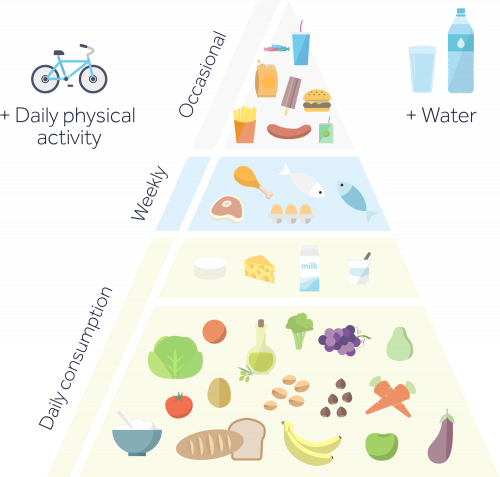
Most of us tend to eat the same foods over and over again. But variety really is the spice of life – and the cornerstone of good health. The Food Pyramid shows you how you can vary your foods in a way that ensures good nutrition.

Planning your grocery list
When planning your grocery list, consult the guidelines of the Food Pyramid (put the link to the module with food pyramid) and reach out to your dietitian for advice on which products to include and which to potentially avoid. Here are some shopping tips to help ensure your kitchen is stocked with the right ingredients.

  • The process starts before you leave for the grocery store. Before you set out for the market, plan your meals for the week and create a list based on this. It takes a few minutes but helps you to concentrate on the healthy foods you need to buy.
  • Do not go to the supermarket hungry. When you do, you put yourself at risk of buying snack foods including the sugary and salty processed foods you would not normally buy. You will also likely spend more money than you had planned to.
  • Try to stay in the area of the supermarket where you’ll find the fresh products, lean proteins (eggs, low-fat dairy, chicken breast, fish, etc.) and other important fresh items for a healthy lifestyle. Avoid going to the areas full of tempting foods like soda, candy and chips.
  • Fruits and vegetables: Choose a rainbow of colourful fruits and vegetables. The colours reflect the different vitamin, mineral, and phytonutrient content of each fruit or vegetable.
  • Breads, cereals and pasta: Choose the least processed whole-wheat breads and pastas, brown rice, grain mixes, quinoa, bulgur, and barley.
  • Meat, fish and poultry: Be sure to choose lean cuts of meat (round, top sirloin, and tenderloin), opt for skinless poultry, and watch your portion sizes. Remember to include fish – the American Heart Association recommends two servings of fish a week.
  • Dairy: Dairy foods are an excellent source of bone-building calcium and vitamin D. There are plenty of low-fat and non-fat options.
  • Canned and dried foods: Keep a variety of canned vegetables, fruits, and beans on hand to toss into soups, salads, pasta, or rice dishes. Whenever possible, choose vegetables without added salt, and fruit packed in juice. Tuna packed in water, low-fat soups, nut butters, olive and canola oils, and assorted vinegars should be in every healthy pantry.


On the Internet, you can find countless recipes that can help you prepare healthy, tasty meals. Here are some links that could be useful for you:


Australian Dietary Guidelines 

www.eatforhealth.gov.au 


A Western Australian Health Initiative 

www.livelighter.com.au 


A Community based organisation  

www.nutritionaustralia.org 


A support network for dieticians committed to build healthier communities 

www.dietitiansaustralia.org.au 


State based guidelines 

www.healthyliving.nsw.gov.au 


Categories
SMS - Baria

SMS – Baria-E-022 Eating after surgery FAQ

Which vitamin and mineral supplements should I expect to take after bariatric surgery? 

A multivitamin complex, calcium with vitamin D, and in many cases iron and/or vitamin B12 supplements. Sometimes vitamin A is added to the regimen depending on the procedure’s degree of malabsorption. A chewable form is recommended, at least initially after surgery. Be sure you are using a vitamin appropriate for adults, not a children’s multivitamin. Ask your health care team which nutritional supplements are appropriate for you.


How long will I need to take vitamin and mineral supplements?

You will need to take nutritional supplements for the rest of your life.


How much protein do I need daily? 

The recommended protein intake for most patients is 60 to 80 grams daily. However, some patients may require more depending on their response to surgery or the type of procedure. Your health care team can provide more detailed information.


Can I consume my daily allotment of protein all at once? 

Protein intake should be spread out across multiple meals and healthy snacks. Your muscles are capable of absorbing about 25 to 35 grams of protein per meal. Also, eating protein helps you feel fuller, longer. Including protein with every meal and snack will make it less likely that you feel hungry when it’s not time to eat.


How should I get my protein? What if I’m a vegetarian? 

Lean meats, eggs, dairy products and beans are common protein sources. Protein extracts made from soy, brown rice and whey are common meat replacements used by vegetarians and sold widely in stores. Protein shakes or bars may offer additional ways to meet your protein needs; however, they tend to be high in fat and sugar. Your health care team can provide additional information on protein sources.

You may find it helpful to calculate your daily protein intake to be sure you’re not falling short. As you are able to tolerate more regular foods, a higher portion of your protein requirement is met through regular meals, and supplements become less necessary.


Do I need to avoid caffeine after bariatric surgery?

Caffeinated drinks have been shown to be as good as any others for keeping you hydrated. Still, it is a good idea to avoid caffeine for at least the first 30 days after surgery while your stomach is extra sensitive. After that point, you can ask your health care team about reintroducing caffeine to your diet. Remember that caffeine often comes in the form of sugary, high-calorie drinks, so be sure you’re making wise beverage choices.


Why is fluid intake important? 

Dehydration occurs when your body does not get enough fluids to keep it functioning at its best. Carry a bottle of water with you all day, even when you’re away from home; remind yourself to take sips regularly, even if you don’t feel thirsty.

Drinking at least 2 litres of fluids is a good daily goal. You can tell you’re getting enough fluids if your urine is pale and you’re urinating many times a day. Signs of dehydration include thirst, headache, hard stools, dizziness upon sitting or standing up and dark urine. You should contact your health care team if you are having difficulty drinking enough fluids to stay hydrated.


What happens if I don’t take in enough protein after surgery?

The body needs additional protein during the period of rapid weight loss following bariatric surgery in order to maintain your muscle mass. If you don’t provide the body with enough protein through your diet, it will take its protein from your muscles and you can become frail. Protein is also necessary for a healthy metabolism.