How to maintain physical fitness?
How to set goals for long-term fitness?
Introduction to long-term follow-up
Approximately 6 months after your surgery, you should be continuing a more powerful and strong exercise program with higher self-confidence. You should be able to push your endurance level to achieve more in each exercise.
The main challenge you may face at this stage is to return to your old habits. Studies have shown that many bariatric surgery patients start to sit up to 9 hours after 6 months and only walk about 60% of the daily number of steps recommended by the World Health Organization (WHO). Now that you have lost some weight and you are aware that you can do certain activities, eating some food you used to eat before surgery, eating the same way when you are out with your friends and your family may look attractive.
It is important to remember what you have learned during your journey and stick to the diet and exercise program prescribed by your health team. Even though you have had great success so far, there is still a long way for you to go before you convert your new behaviors into life-long habits.
Maintaining your fitness level
If you have stuck to the program so far, it means that you have already created a strong exercise regimen based on endurance and overall strength. Congratulations! As your follow-up programs continue, it is important that you find ways to change your exercise routine and focus on the activities you enjoy the most. This will keep you motivated in the long term. You can also use health monitors, pedometers, or exercise applications to record your progress and enjoy your exercise workouts.
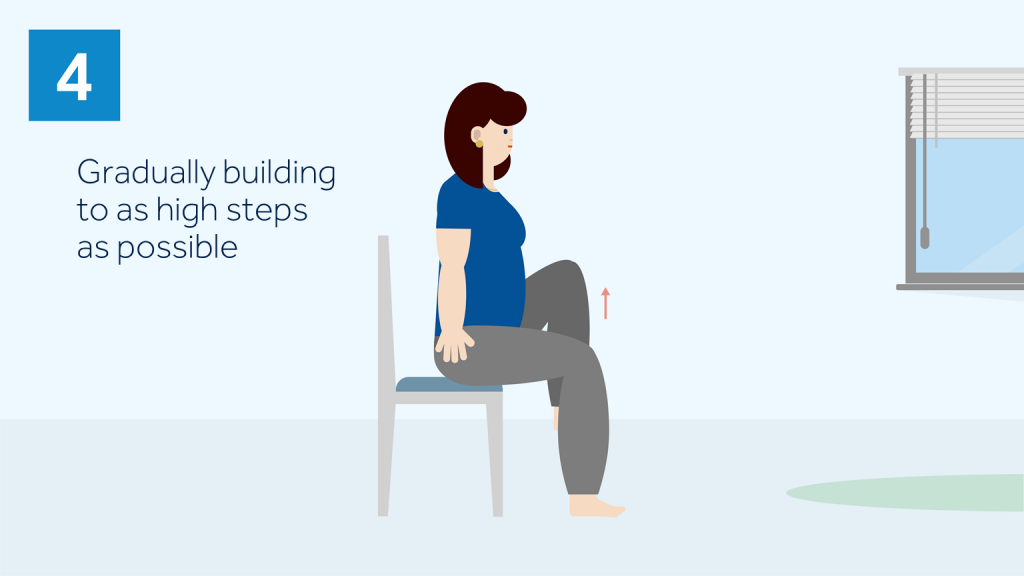
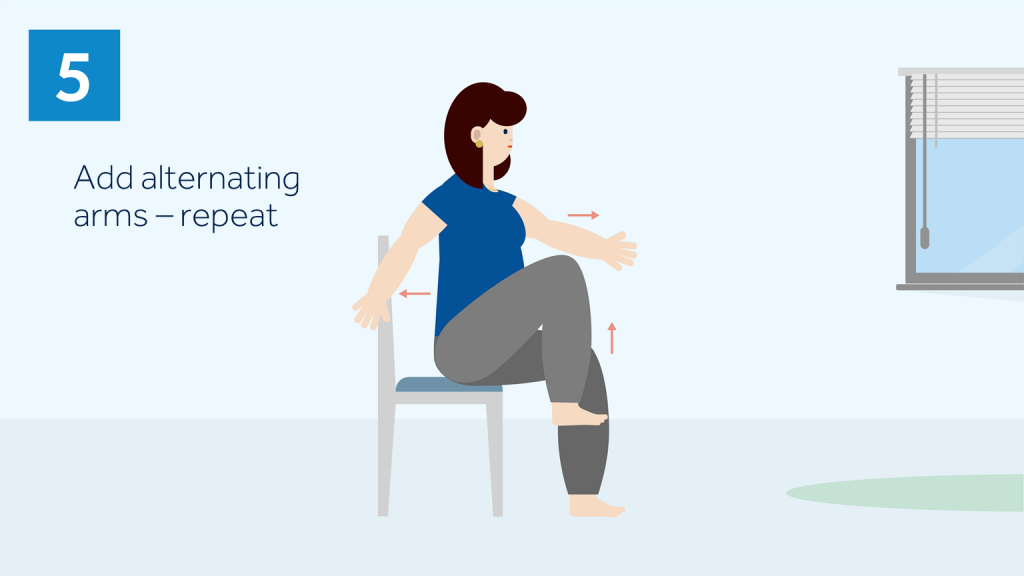
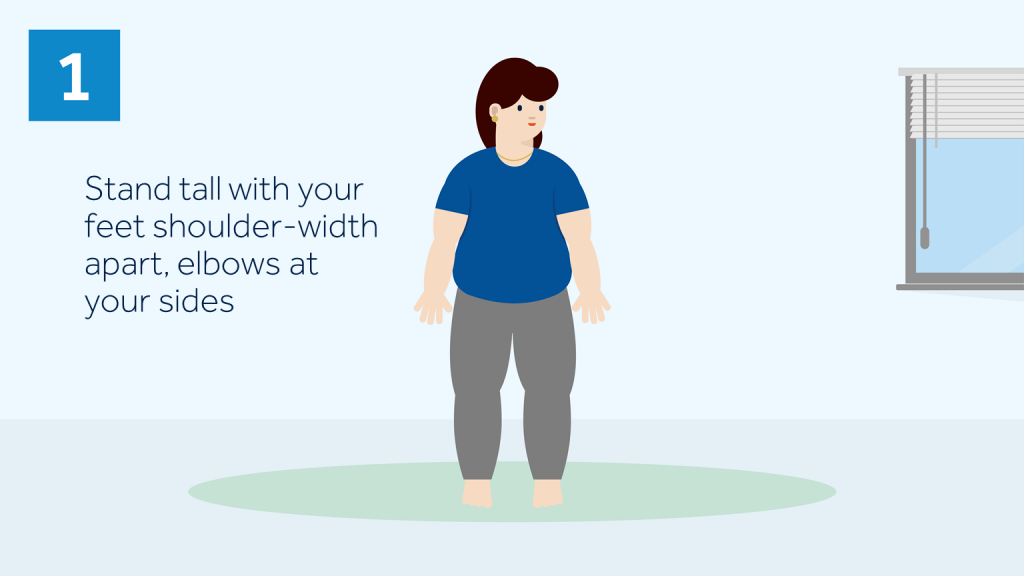
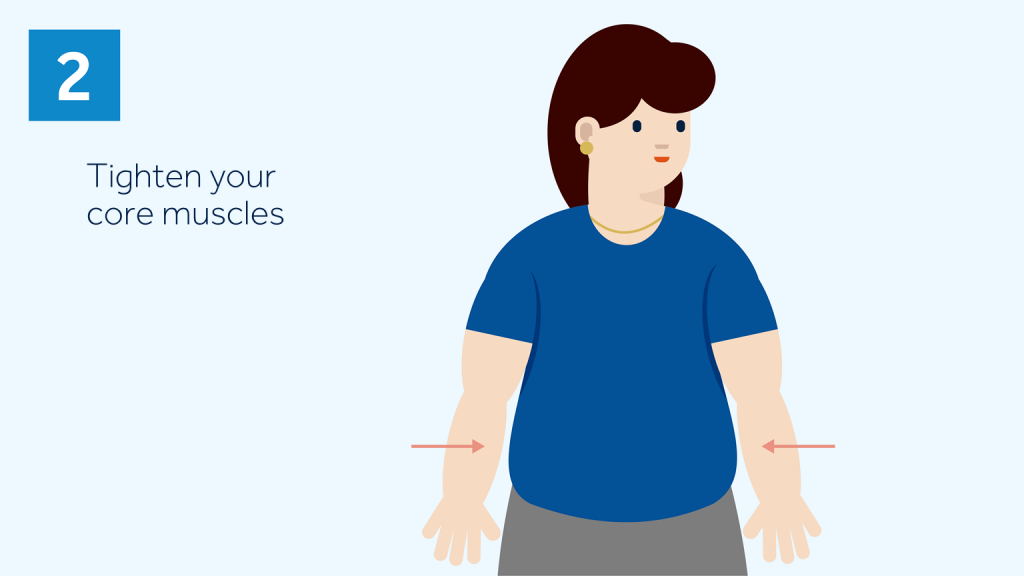
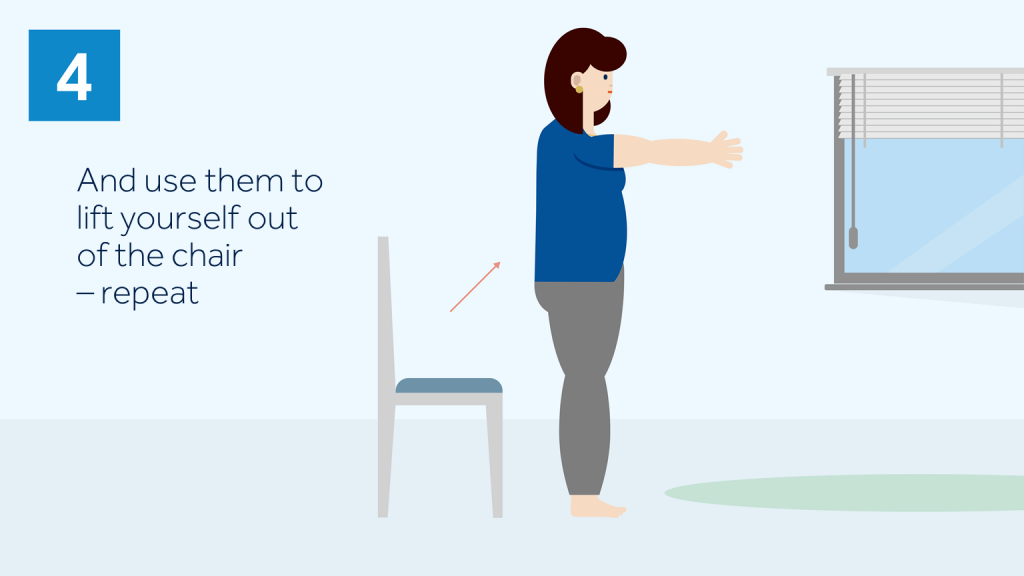
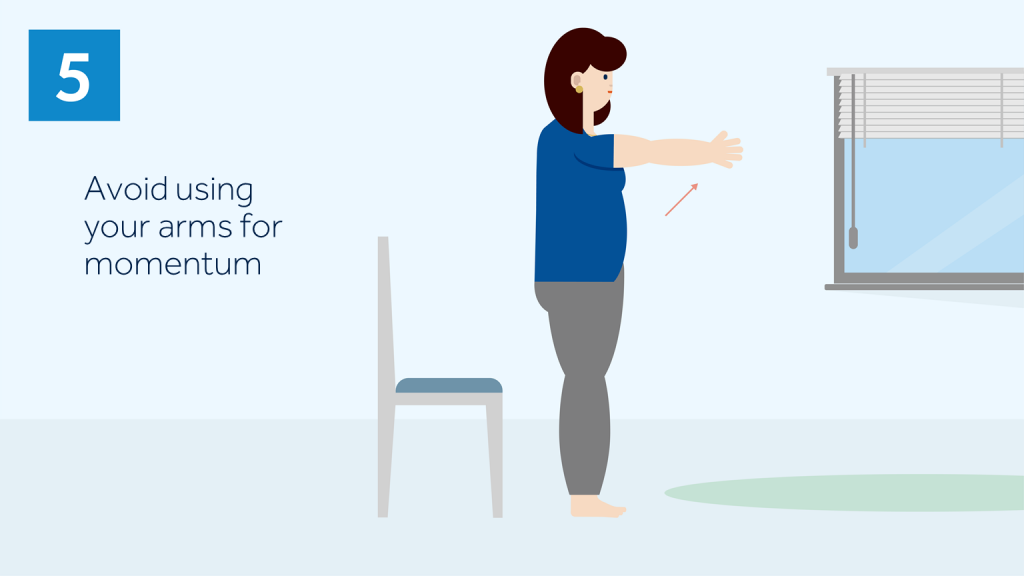
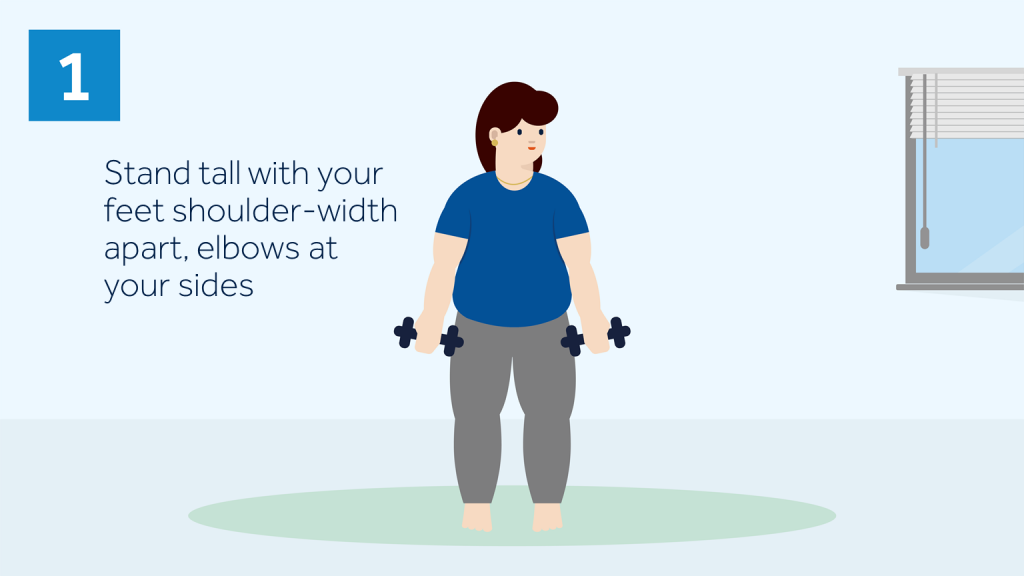
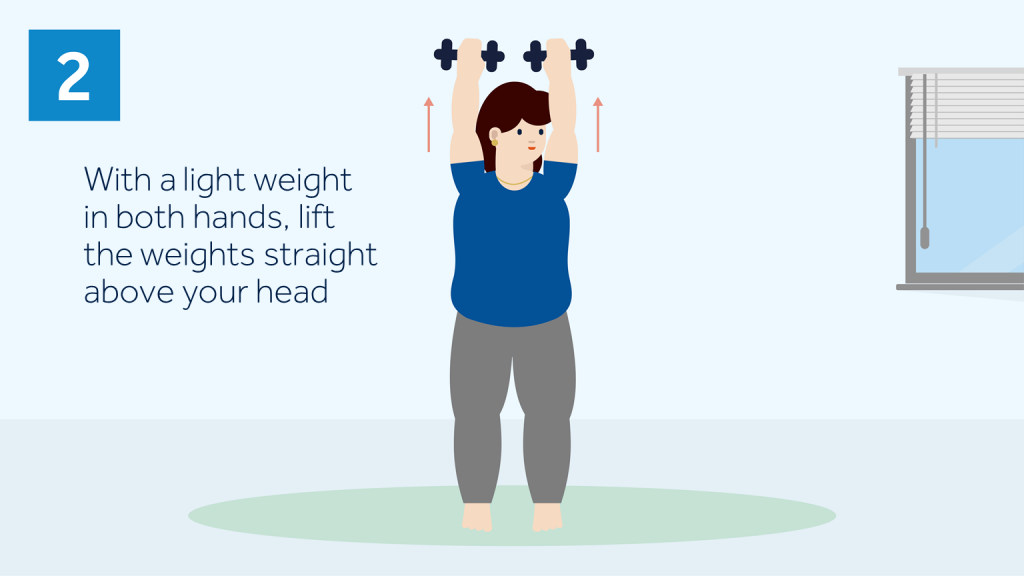
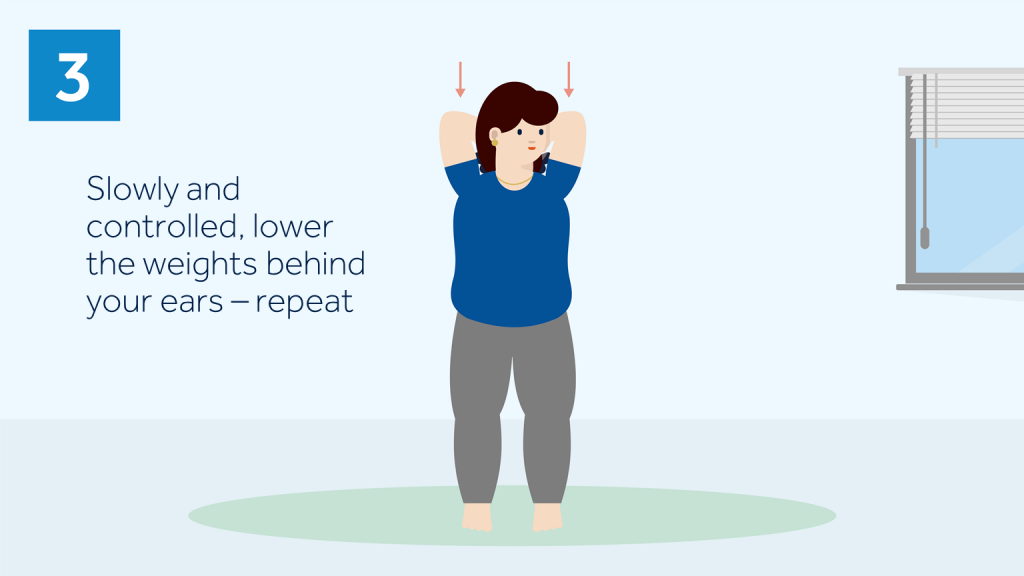
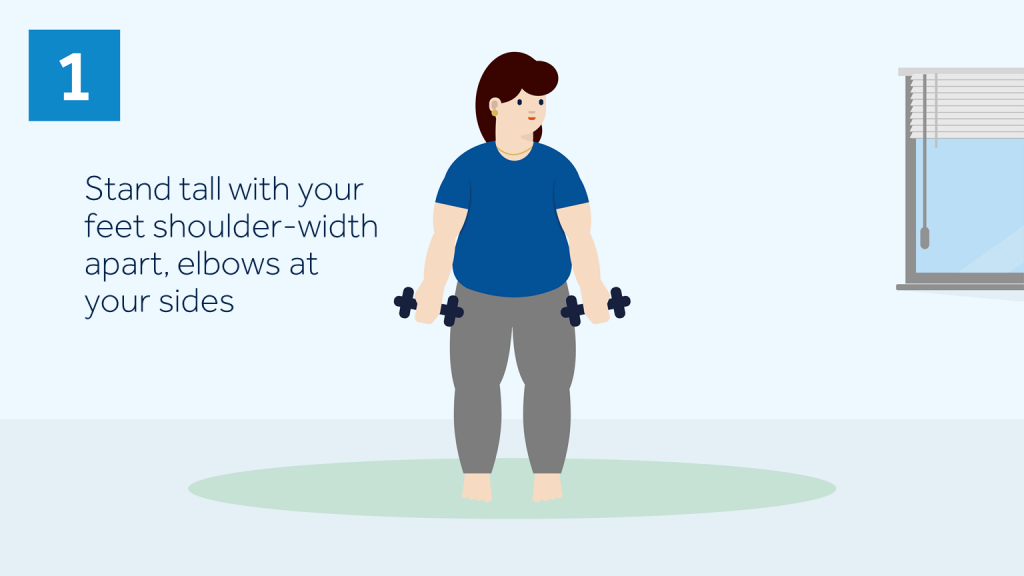
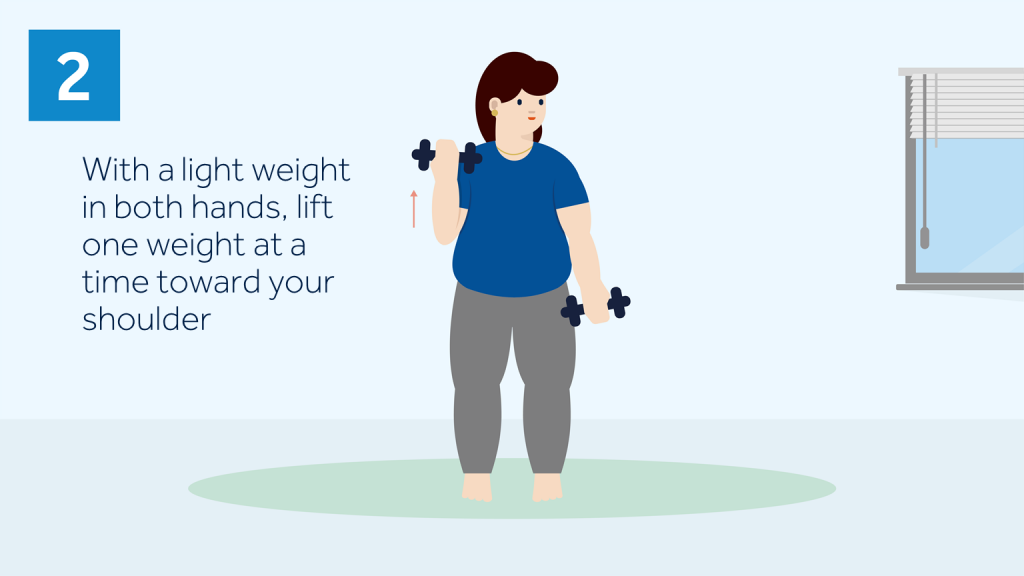
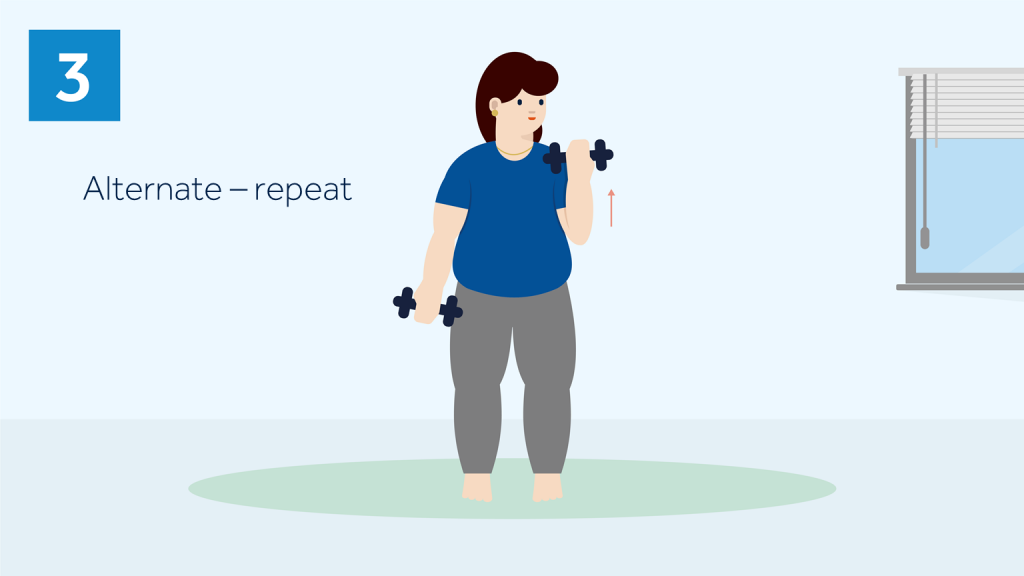
Do not forget to develop your endurance with aerobic activities to maintain your body weight. Strength workouts are still important. Therefore, free weights, gymnastics, or yoga exercises, which can help you to improve your strength, can be added to your exercises. Cardio-fitness, group exercises or interval exercises like CrossFit can be perfect for this phase (if you do not have cardiovascular problems). Please do not forget that it is best to start these activities under the supervision of a professional trainer.
The most important thing at this stage of your follow-up is that you enjoy your exercises. Participate in dancing courses, push your children on the swing, or try different things. If you prefer social activities join a walking or rowing club. Make a sport that your whole family can join. If you were not able to find your favorite activities yet, let us look at a few examples together.
Introduction to physical activity
As your bariatric assessments are completed and your multidisciplinary health team has approved physical activities, let us look at the physical activity program recommended for you.
Benefits of exercise
Regular physical activity is beneficial for your whole body. During physical activities you utilize the energy coming from foods you have eaten. Movement causes metabolic changes in your body. Your heart works harder and improves your circulatory and respiratory performance and the fitness level of your muscles for the long term. Daily exercising develops your joints and contributes to healthy bone density.
In addition, exercise induces endorphin release, which decreases depression and anxiety and makes you happier and more relaxed. Exercise can also provide wonderful socialization opportunities and support better sleep.
Exercise is fun!
Believe it or not but exercise can be fun too. Once a solid daily exercise routine is established, most people find out that they are addicted to the endorphin release after a satisfying workout and the feeling of “good and energetic”. Once exercise becomes a habit, you will recognize that all your daily activities become easier, your “tight” clothes start to fit you, and you gain gradually more motivation to be more fit and healthy.
When should you start to exercise?
The earlier you start exercising after surgery, the easier you improve. Evidence shows that regular physical activity is an important indicator of the long-term maintenance of weight loss before and after surgery.
Adaptation to a new and active lifestyle
The aim of surgery is to enable you to adopt a healthy lifestyle for the rest of your life. This means that you add more activity to your daily routine. For this, you do not need to go to the gym every day, although it can be done. You can walk more, play with your grandchildren and do more dynamic activities like walking in the woods instead of sitting and watching TV.
It may be difficult at the beginning but once you add more activities into your life, you will become more confident in your ability to adopt a more active lifestyle. Do not forget that an active lifestyle should be combined with a healthy and balanced diet to achieve your weight loss goal.