Sleep apnea
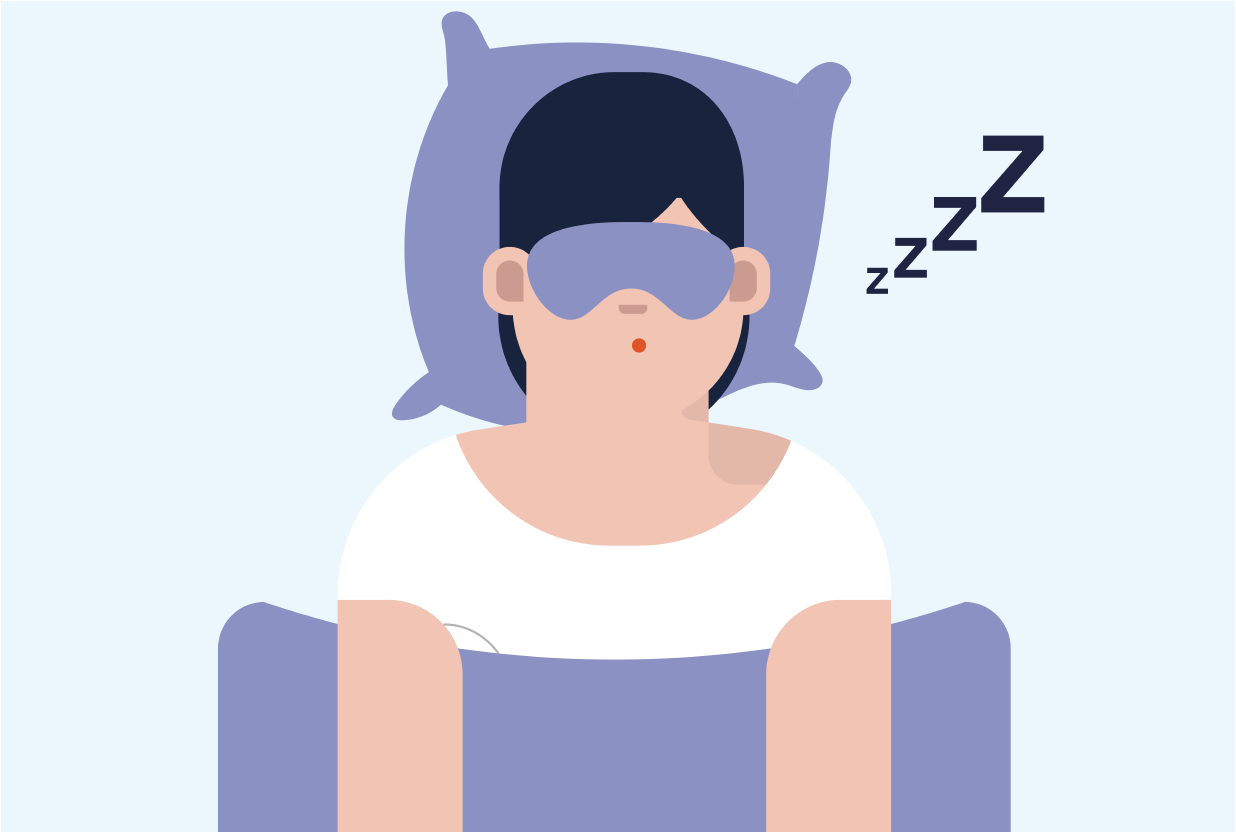
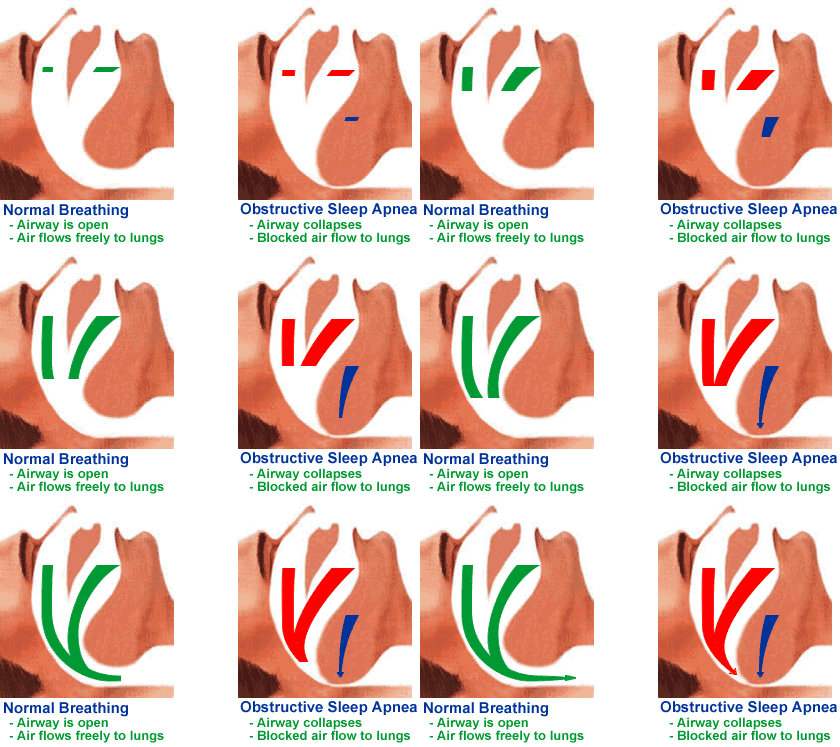
Obstructive sleep apnea (OSA), or simply sleep apnea, is a sleep disorder in which breathing is briefly and repeatedly interrupted during sleep. “Apnea” refers to a pause in breathing that lasts for at least ten seconds. It occurs when the muscles in the back of the throat fail to keep the airway open, despite efforts to breathe.
Sleep apnea can cause fragmented sleep and low blood oxygen levels. For people with sleep apnea, the combination of disturbed sleep and oxygen starvation may lead to hypertension, heart disease and mood and memory issues. Sleep apnea also increases the risk of drowsiness while driving.
There are two types of breathing interruption characteristic to sleep apnea:
- Apnea: This is where the muscles and soft tissues in the throat relax and collapse enough to cause a total blockage of the airway. When the airflow is blocked for 10 seconds or more, this is considered apnea.
- Hypopnea: This is a partial blockage of the airway resulting in an airflow reduction of greater than 50% for 10 seconds or more.
Obesity and sleep apnea
It is estimated that 80% of people living with obesity, particularly men, have sleep apnea. However, millions are unaware of their symptoms and may misinterpret them as something else.
Studies have been done on how bariatric surgery impacts sleep apnea. Patients on a waitlist for bariatric surgery showed a tendency towards severe sleep apnea. One year after successful surgery, the patients’ obstructive index dropped from severe to moderate.
CPAP therapy
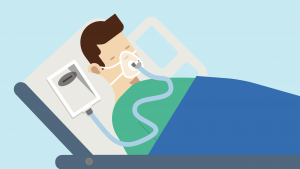
CPAP therapy is the most common and effective treatment for sleep apnea. If you have sleep apnea, proper treatment is important to reduce complications during your hospital stay. Start your CPAP therapy as soon as possible to get a more restful sleep, have more energy during the day and improve your surgery outcome. If you used a CPAP before surgery, you will find that less pressure is required after weight loss, as there is less restriction of the airway.
It is possible to lose enough weight to eliminate the need for CPAP therapy, however, this is not the norm. Once you have reached your post-bariatric surgery weight loss goal, a repeat sleep study should be conducted to assess the severity of your sleep apnea and whether you still need to use a CPAP.
The first treatment option for sleep apnea is CPAP therapy.