Maintaining physical fitness and setting goals for long-term fitness.

Introduction to the long-term follow-up
Around 6 months after your surgery, you should be stronger, more confident and capable of maintaining a robust exercise programme. You should be at a point now where you can really challenge your endurance level and push yourself to achieve more every time you work out.
Your main challenge at this stage may be the temptation to fall into old habits. Studies show that many bariatric surgery patients after 6 months are sitting up to 9 hours a day again and are only walking 60% of the daily steps recommended by the World Health Organization (WHO). Now that you’ve successfully lost some weight, it may be tempting to eat some of the same foods you did before your surgery and trying to eat as you used to when you’re out with friends and family.
It’s important to remember everything you’ve learned on your journey so far and to stick to the diet and exercise programme your health care team has prescribed. Even though you’ve achieved a lot so far, you still have a way to go to transform your new behaviours into sustainable lifestyle change.
Maintaining your fitness level
If you’ve stuck to the programme so far, you’ve built up a strong exercise regimen based on endurance and general strength. Well done! As your follow-up programme progresses, it’s important to find ways to vary your exercise routine and zero in on those activities you enjoy most. This will keep you motivated over the long run. You can also use health monitors, pedometers or exercise apps to track your progress and keep things interesting.
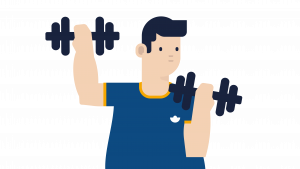
Remember to work on building endurance with aerobic activity to help maintain your body weight. Strength training also continues to be important, so feel free to add free weights, callisthenics or yoga, which can also build strength. Interval training such as cardio fitness, boot camp or cross-fit can also be good at this stage (as long as you don’t have any cardiovascular issues). Keep in mind, it’s best to start these activities under the guidance of a professional trainer.
At this stage in your follow-up, the most important thing is that your exercise is fun. Take a dance class, push your kids on the swing or try something completely new. If you prefer social activities, join a walking or rowing club. Take up a sport the whole family can play. If you haven’t found your favourite activities yet, let’s have a look at a few.