Categories
SMS - Baria

SMS – Baria-E-068 Dumping syndrome

Also called rapid gastric emptying, dumping syndrome occurs when food, especially sugary and/or fatty foods, moves from your stomach into your small bowel too quickly. Most people with dumping syndrome develop signs and symptoms, such as abdominal cramps and diarrhoea, 10 to 30 minutes after eating. Other people have symptoms 1 to 3 hours after eating, and still others experience both early and late symptoms.

Prevention

Generally, you can help prevent dumping syndrome by changing your diet after surgery. Changes might include eating smaller meals and limiting high-sugar and high-fat foods. In more serious cases of dumping syndrome, you may need medication or additional surgery.


Signs and symptoms

Signs and symptoms of dumping syndrome generally occur right after eating and might include:

  • Nausea
  • Vomiting
  • Abdominal cramps
  • Diarrhoea
  • Flushing
  • Dizziness, light-headedness
  • Rapid heart rate

Late dumping signs and symptoms, which occur 1 to 3 hours after eating, are due to your body releasing large amounts of insulin to absorb the large quantity of sugars entering your small intestine after eating a high-sugar meal. The result is low blood sugar (functional hypoglycaemia). Signs and symptoms of late dumping can include:

  • Sweating
  • Hunger
  • Fatigue
  • Dizziness, light-headedness
  • Weakness
  • Rapid heart rate

Some people have both early and late signs and symptoms. Some people may not develop dumping syndrome until years after surgery.

Contact your health care team if:

  • You are losing large amounts of weight due to dumping syndrome. Your doctor may refer you to a dietitian to help create an eating plan to address the issue.
  • Your symptoms are not controlled by changes to your diet.
 

Categories
SMS - Baria

SMS – Baria-E-069 Advanced risks and complications

Possible risk and complications

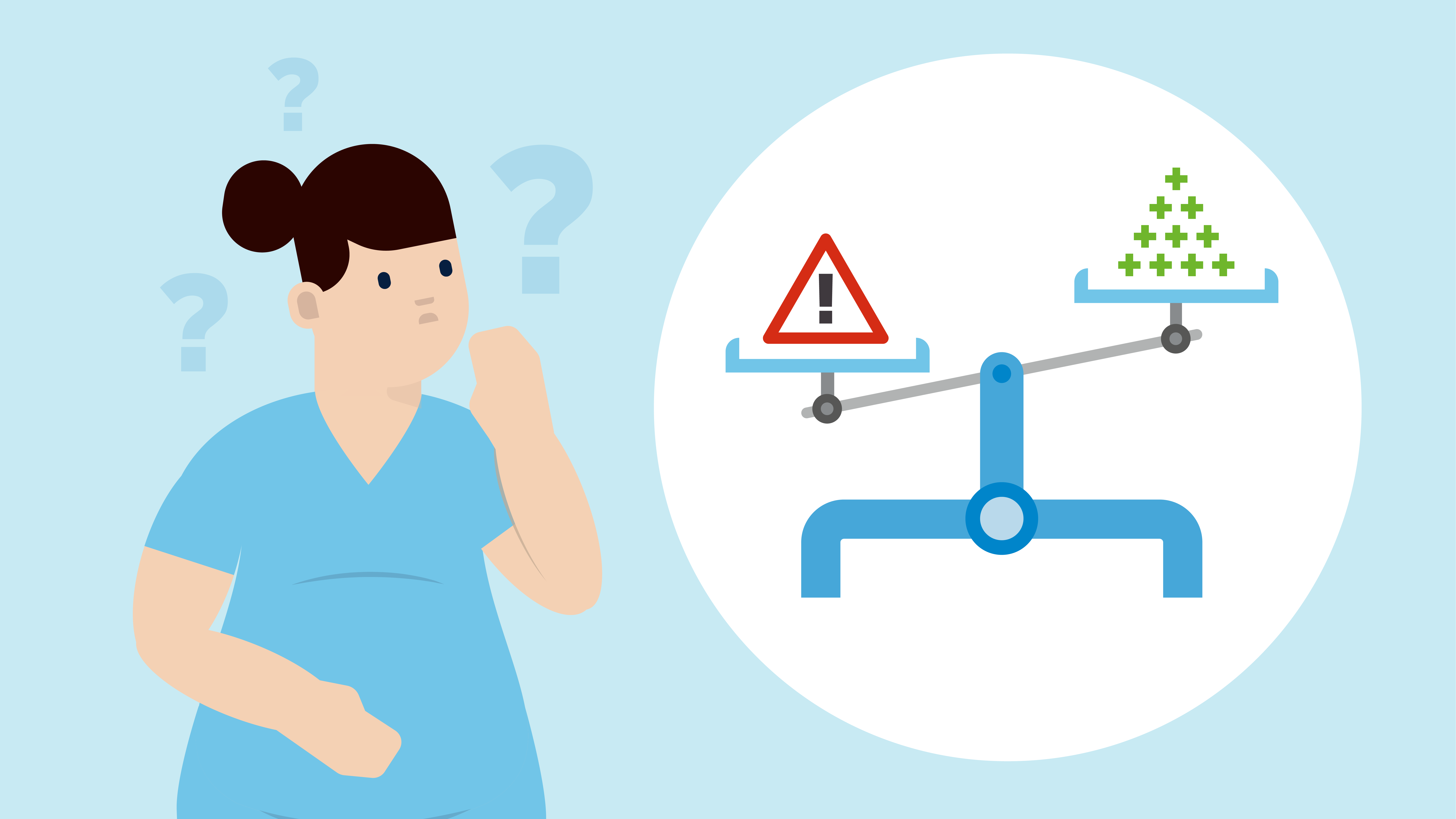
Any, and all types of surgery carries risk, however bariatric surgery is comparatively very safe. Below you will find a list of risks and some complications which can occasionally occur with bariatric surgery.  

For most people who qualify for bariatric surgery, the health benefits outweigh the risks. It’s also worth keeping in mind that if you want to get the best outcome from your surgery you must be prepared to make the long-term behavioural changes necessary to achieve this. For further information on risks and complications, speak to your healthcare team.   

  • Bleeding  
  • Blood clots   
  • Constipation   
  • Diarrhoea  
  • Dumping syndrome  
  • Hernia 
  • Leakage  
  • Perforation of stomach or intestines, or injury to other organs  
  • Pouch/anastomotic obstruction or bowel obstruction  
  • Pulmonary and/or cardiac problems     
  • Reflux 
  • Stricture   
  • Small bowel obstruction  
  • Vomiting 
  • Vitamin, calcium or iron deficiency 
  • Wound infection. 

For more information on individual risks and complications please see the link below 

https://www.nhs.uk/conditions/weight-loss-surgery/risks/

The risk of not losing weight 

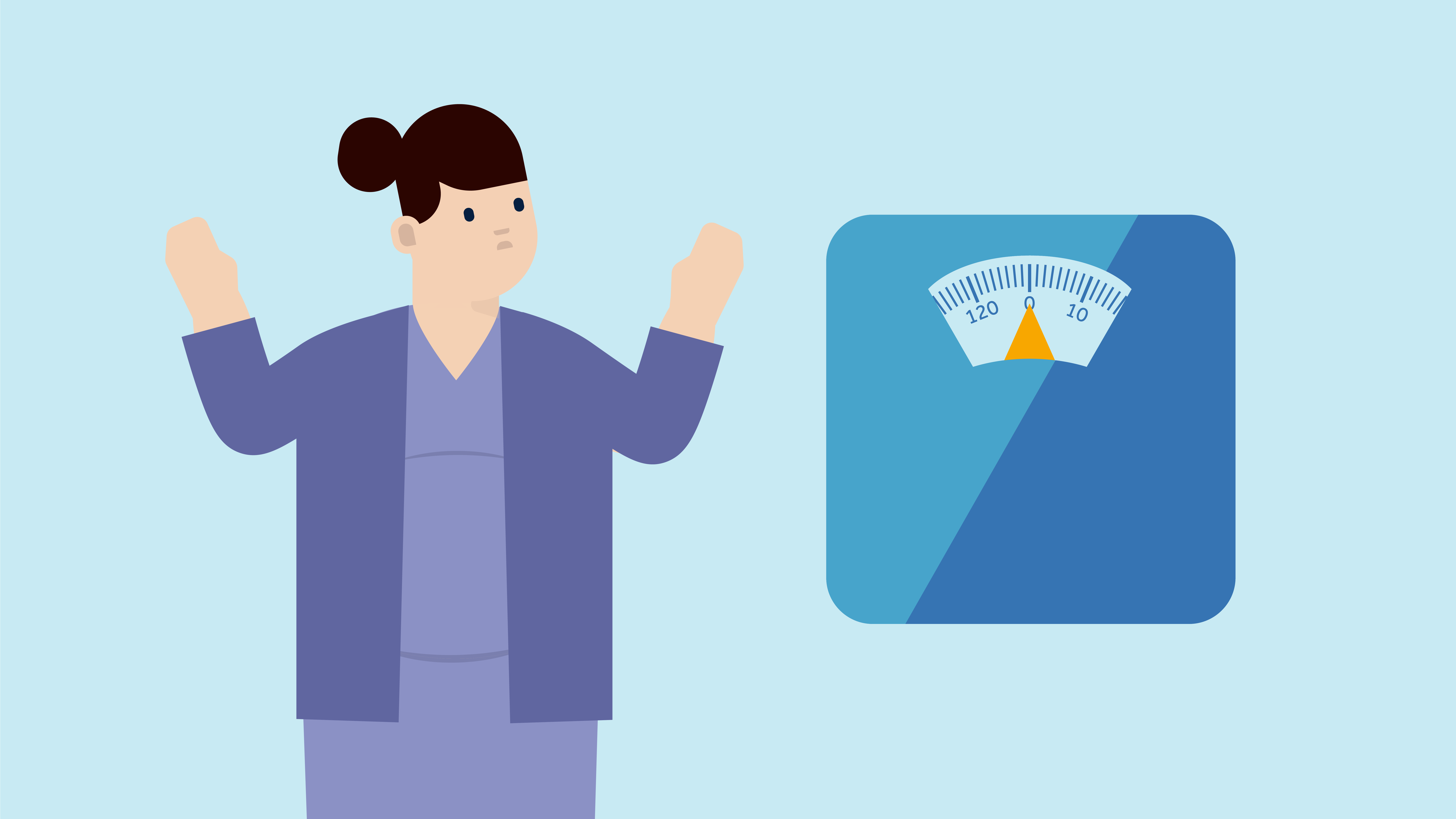
Failure to lose weight or regaining weight in the long term is another risk of bariatric surgery. To mitigate this risk, it is vital that you follow all the lifestyle change instructions recommended by your health care team, including diet, exercise and vitamin guidelines. 

How to recognise the symptoms 

Urgent symptoms  

While we do not expect you to have any serious problems after your surgery, some symptoms that you may experience need to be addressed immediately. If you experience any of the following symptoms, contact your health care team right away:  

  • Accelerated heart rate above 120 bpm 
  • Fever of 38°C or higher  
  • Redness, swelling, increased pain and/or pus-like drainage from your wound  
  • Chest pain and/or shortness of breath  
  • Nausea and/or vomiting that lasts for more than 12 hours  
  • Pain, redness and/or swelling in your legs  
  • Urine output less than four times in 24 hours  
  • Pain that is unrelieved by pain medication 

Normal symptoms and when to be alert 

  • Moderate swelling and bruising are normal after any surgery.  
  • Mild to moderate discomfort or pain.  
  • Numbness – small sensory nerves to the skin are occasionally cut when the incision is made or are interrupted by undermining of the skin during surgery. The sensation usually returns within two to three months as the nerve endings heal.  

Note: Be especially careful not to burn yourself when applying heating pads to the area that may have some postoperative numbness.  

  • Itching – itching and occasional small shooting electrical sensations within the skin frequently occur as the nerve endings heal. These symptoms are common during the recovery period. 

Note: Ice, skin moisturisers, vitamin E oil and massage can help.  

  • Redness of scars – all new scars are red, dark pink or purple. The scars take about one year to fade.  

Note: We recommend that you protect your scars from the sun for a year after your surgery. Even through a bathing suit, a good deal of sunlight can reach the skin and cause damage. Wear a sunscreen with a skin-protection factor (SPF) of at least 15 when out in the sun.  

Categories
SMS - Baria

SMS – Baria-E-037 My responsibilities post-surgery

Weight loss surgery is the first step

For bariatric patients, weight loss surgery is an early step on the journey to a healthy life. The success of achieving a healthier lifestyle and lasting major weight loss depends on the months and years after the surgery and on your level of commitment to the follow-up programme.


Reaching your goal takes time and dedication

To achieve healthy, sustainable weight loss with bariatric surgery, you’ll need to:

  • Commit to an active, healthy lifestyle that incorporates physical activity and exercise into your daily routine.
  • Discuss your health history and any questions or concerns you have openly and honestly with your healthcare team. Learn all you can about bariatric surgery and weight loss before making a decision.
  • Learn about appropriate food choices and take the nutritional, vitamin, and mineral supplements as recommended by your healthcare team. 
  • Consider seeking psychological support as a good way to help you adhere to a healthier lifestyle and make the required behavioural changes.


Bariatric surgery is a serious commitment

When you commit to bariatric surgery, you also commit to the following lifestyle changes:

Dietary changes: Your diet following bariatric surgery will progress through various stages, from liquids to small meals. Simple vitamin and mineral supplements will be required on a daily basis for the rest of your life.

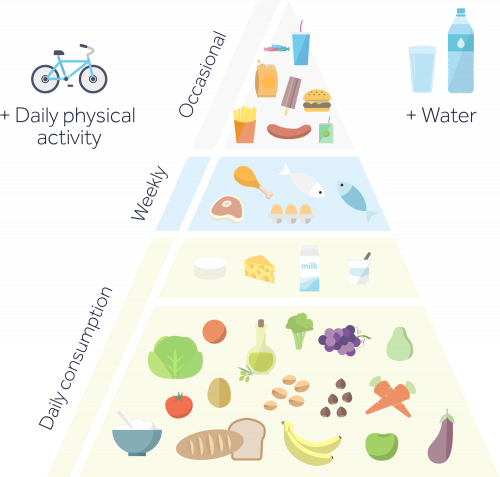
Exercise: In order to maximise and maintain your weight loss before and after surgery, it’s essential that you incorporate physical activity into your daily routine. A regular exercise programme is vital for long-term success.

It is important that you follow the diet, vitamin and mineral intake, physical activity and any other advice that your healthcare team prescribes after surgery. You can achieve lifelong success as long as you adhere strictly to your personalised follow-up programme.

Categories
SMS - Baria

SMS – Baria-E-115 Taking care of your wound

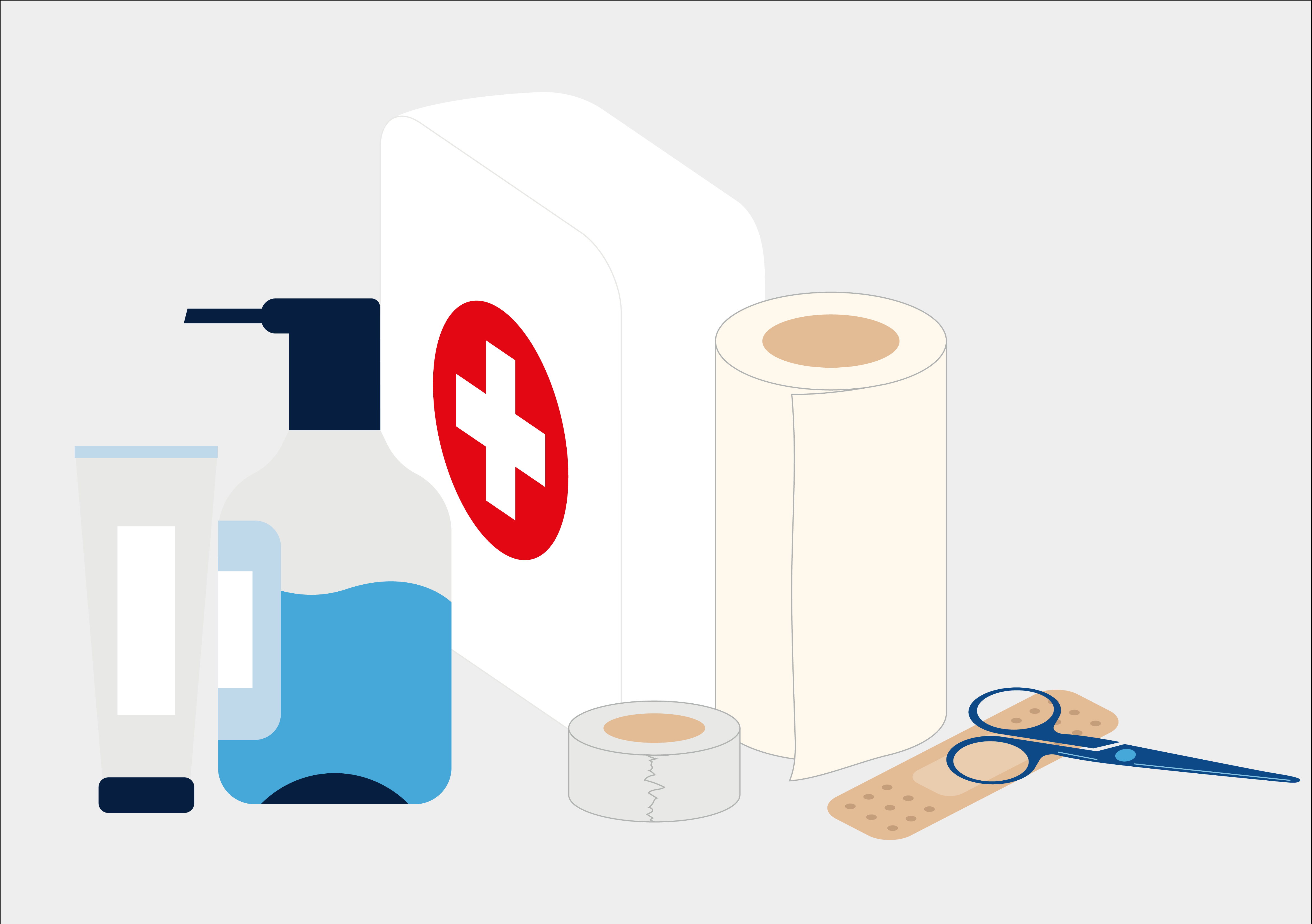
All surgical wounds require the same basic care and it is useful to be able to care for your wound at home. Before you leave the hospital, the wound care nurse may make several appointments for you at the hospital outpatient clinic to check that your wound is healing normally. They may also show you how to clean and re-apply a dressing to your wound once you are at home.

Be careful to avoid any movements that pull or stretch your wounds while they are still healing, especially if you have a larger one on your abdomen. Follow your doctor’s advice regarding what physical activity you can do safely.


Here is some basic advice about how to deal with surgical wounds. If you have any questions or concerns, if the wound is painful, if there is more discharge (pale fluid and a little blood) rather than less, or if you feel feverish and unwell, contact your care team as it could indicate an infection:

  • Always wash your hands in soap and water first. Dry them on a clean towel or tissue.
  • Peel the old dressing off carefully by the edges. Do not touch the absorbent pad.
  • Unwrap the new dressing carefully. Do not touch the inside of the clean dressing when you stick it on.
  • Do not touch the wound. Do not put anything on it unless your wound care nurse has instructed you to do so.
  • If you see any stitches or clear thread poking out, do not pull or cut them!
  • Afterwards, throw away soiled dressings carefully and wash your hands again.

Once your wound has healed and the dressings have been removed…

  • Protect your scar from the sun in the first year. Afterwards, always use factor 50.
  • A hypoallergenic moisturising cream or oil on the scar will help it heal with reduced prominence.
  • Ask your care team or general practitioner about when you can bathe or swim.
  • Wash your wounds gently with a mild soap and pat them dry with a clean towel. Do not rub them.


Be aware that during the healing phase it is normal for your wounds:

  • and the surrounding area to feel numb, itchy or tingly. This occurs as the nerves heal.
  • to have bruised or black and blue skin around the incisions and a little redness along the incision edges.
  • to have a small notch of skin at the top, especially for bigger incisions. This will disappear gradually as the wound heals
Categories
RGPD document Example

Medical device regulatory information

Categories
Colorectal

Colo-E-04 Where to find proteins

Proteins are an important nutrient for the body.

After being eaten, proteins are broken down into amino acids by the body. As the building blocks for muscle tissue, amino acids from proteins are key to maintaining muscle tissue, building new muscle, and repairing tissue that gets damaged.

It’s a good idea to eat a protein rich snack about 1 hour after exercising, and starting the healthy habit of eating a diet rich in proteins now will help your body recover after surgery.

Where To Find Proteins

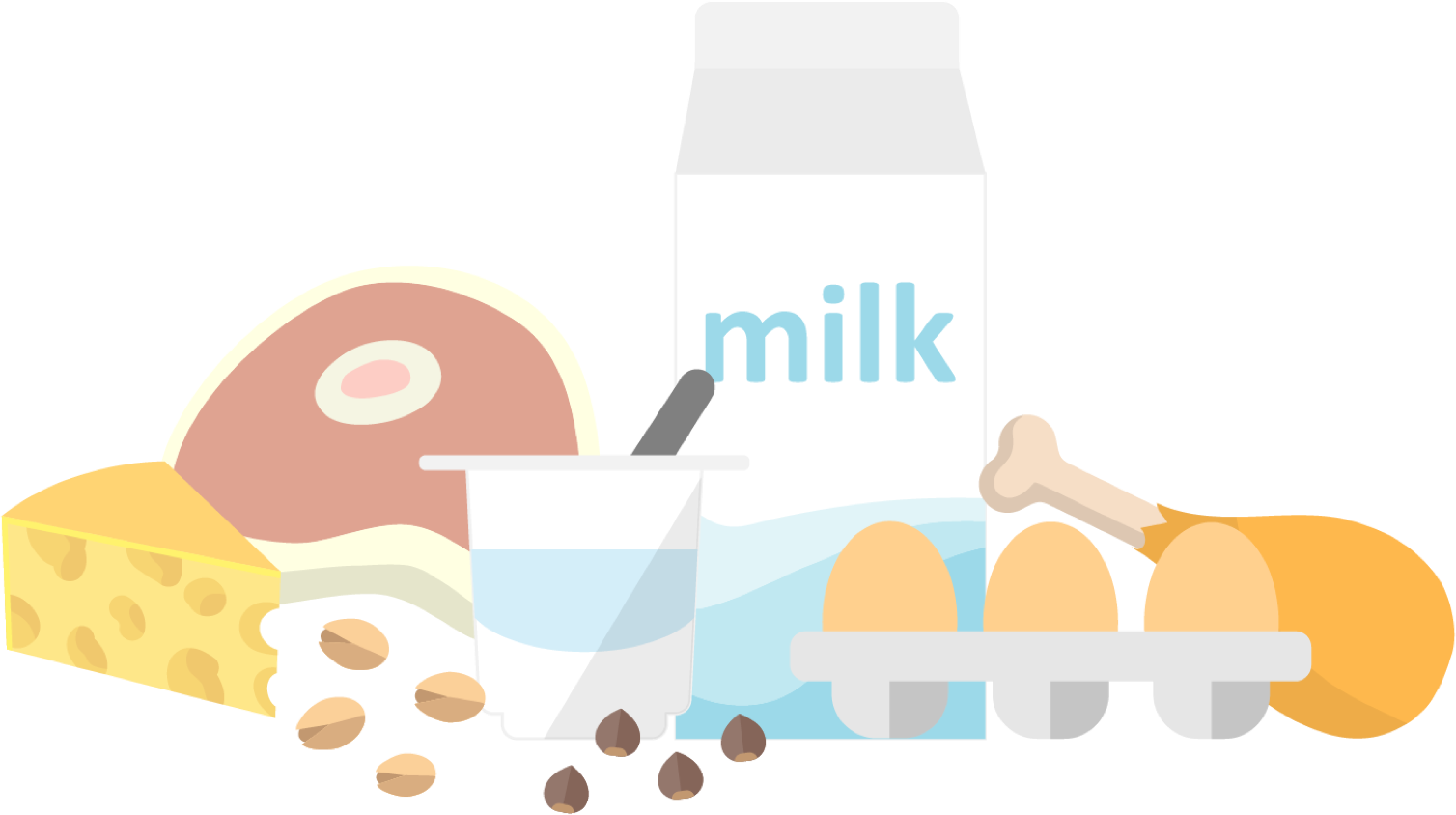
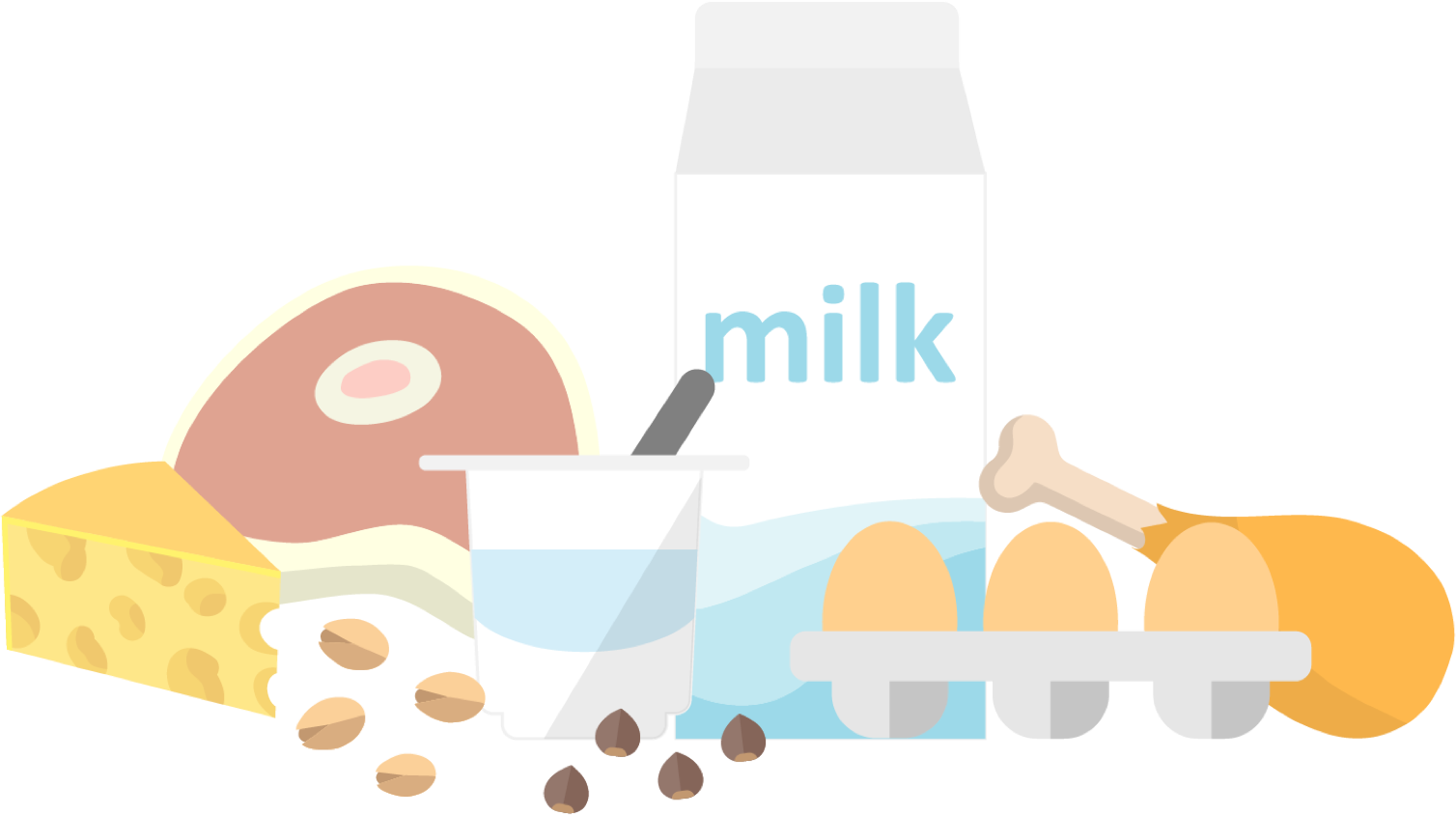
Proteins can be found in a variety of delicious foods. Not all protein sources contain all required amino acids, but any sources of animal meat like chicken, fish, or seafood will provide the full range of essential amino acids that adults require in their diet.

Dairy is also a good source of proteins. Foods like yoghurt, milk, or a piece of cheese are excellent choices. Eggs are also a good source of proteins.

Non-animal sources of proteins are an option but they do not provide the full range of amino acids like animal proteins do.

Therefore, it’s important to vary your vegetable sources to ensure you get the proper amino acids. A few good sources of proteins include dried beans, peas, or lentils, soy, and tofu. Hummus on crackers, lentil soup, and a tofu and vegetable dish are all great options.

Nuts and seeds are also a source of proteins. It’s important to note that they are high in healthy fat content.

If you are having trouble getting proteins in your diet, ask your dietician to help you choose a protein supplement that will work for you.

Your medical team may have already prescribed one, if that’s the case then make sure to follow their instructions.