Categories
Klinik Obezite

KO-E-085 My physical activity for the long run


How to maintain physical fitness?

How to set goals for long-term fitness?


Introduction to long-term follow-up

Approximately 6 months after your surgery, you should be continuing a more powerful and strong exercise program with higher self-confidence. You should be able to push your endurance level to achieve more in each exercise.

The main challenge you may face at this stage is to return to your old habits. Studies have shown that many bariatric surgery patients start to sit up to 9 hours after 6 months and only walk about 60% of the daily number of steps recommended by the World Health Organization (WHO). Now that you have lost some weight and you are aware that you can do certain activities, eating some food you used to eat before surgery, eating the same way when you are out with your friends and your family may look attractive.


It is important to remember what you have learned during your journey and stick to the diet and exercise program prescribed by your health team. Even though you have had great success so far, there is still a long way for you to go before you convert your new behaviors into life-long habits.

Maintaining your fitness level

If you have stuck to the program so far, it means that you have already created a strong exercise regimen based on endurance and overall strength. Congratulations! As your follow-up programs continue, it is important that you find ways to change your exercise routine and focus on the activities you enjoy the most. This will keep you motivated in the long term. You can also use health monitors, pedometers, or exercise applications to record your progress and enjoy your exercise workouts.

Do not forget to develop your endurance with aerobic activities to maintain your body weight. Strength workouts are still important. Therefore, free weights, gymnastics, or yoga exercises, which can help you to improve your strength, can be added to your exercises. Cardio-fitness, group exercises or interval exercises like CrossFit can be perfect for this phase (if you do not have cardiovascular problems). Please do not forget that it is best to start these activities under the supervision of a professional trainer.

The most important thing at this stage of your follow-up is that you enjoy your exercises. Participate in dancing courses, push your children on the swing, or try different things. If you prefer social activities join a walking or rowing club. Make a sport that your whole family can join. If you were not able to find your favorite activities yet, let us look at a few examples together.

Introduction to physical activity

As your bariatric assessments are completed and your multidisciplinary health team has approved physical activities, let us look at the physical activity program recommended for you.

Benefits of exercise

Regular physical activity is beneficial for your whole body. During physical activities you utilize the energy coming from foods you have eaten. Movement causes metabolic changes in your body. Your heart works harder and improves your circulatory and respiratory performance and the fitness level of your muscles for the long term. Daily exercising develops your joints and contributes to healthy bone density.

In addition, exercise induces endorphin release, which decreases depression and anxiety and makes you happier and more relaxed. Exercise can also provide wonderful socialization opportunities and support better sleep.

Exercise is fun!

Believe it or not but exercise can be fun too. Once a solid daily exercise routine is established, most people find out that they are addicted to the endorphin release after a satisfying workout and the feeling of “good and energetic”. Once exercise becomes a habit, you will recognize that all your daily activities become easier, your “tight” clothes start to fit you, and you gain gradually more motivation to be more fit and healthy.

When should you start to exercise?

The earlier you start exercising after surgery, the easier you improve. Evidence shows that regular physical activity is an important indicator of the long-term maintenance of weight loss before and after surgery.

Adaptation to a new and active lifestyle

The aim of surgery is to enable you to adopt a healthy lifestyle for the rest of your life. This means that you add more activity to your daily routine. For this, you do not need to go to the gym every day, although it can be done. You can walk more, play with your grandchildren and do more dynamic activities like walking in the woods instead of sitting and watching TV.

It may be difficult at the beginning but once you add more activities into your life, you will become more confident in your ability to adopt a more active lifestyle. Do not forget that an active lifestyle should be combined with a healthy and balanced diet to achieve your weight loss goal.
 

Categories
Klinik Obezite

KO-E-021 Eating after surgery tips and tricks

Tips for a healthy lifestyle

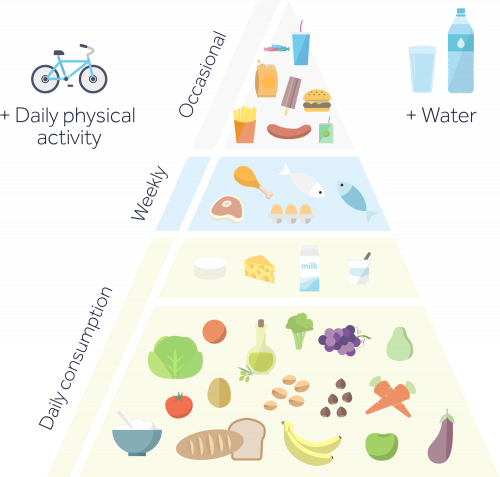
Be active: Physical activity may improve your health. You do not need to exercise at a gym for hours to be active. There are many ways to add more activity into your daily life. For example, while you are returning home from work, try to get off the bus one stop earlier or to use the stairs instead of the lift.

Do not stay dehydrated: Drink water regularly to avoid dehydration. We recommend drinking at least 1.5-2 liters of water every day. All non-alcoholic drinks count. However, normal water and skimmed milk are more healthy options. Try to avoid non-alcoholic beverages and carbonated drinks, as they contain high amounts of sugar and calories and are bad for teeth.

Do not skip breakfast: A healthy breakfast is an important part of a balanced diet. A bowl of whole-grain, low-carb cornflakes with sliced fruits is a tasty and nutritional breakfast.

Recommendation Before Before and after
Do not forget to eat three meals a day x  
Eat the equivalent of five handfuls of fruit and vegetable every day. X  
Add vegetables to every meal X  
Make your vegetable intake easier by choosing seasonal foods that require little preparation, such as bananas, small tomatoes, and carrots. X  
It may be useful to eat in a quiet environment.   X
Start by working on portion control. Smaller plates like saucers may be useful.   X
Digestion starts with chewing. Chew your bites well and slowly.   X
Eat at regular intervals. Avoid snacks and do not miss meals.   X
Drink plenty of water a day long (at least 8 glasses)   X
Leave your fork and knife on the table between two bites.   X
Cut food in small bites.   X
     
Take vitamin and mineral supplements.   x
Prefer food containing unsaturated fats like vegetable oils, fatty fish, and avocado. Avoid food containing saturated fats like ripened cheeses, cakes, sausages, cream, butter etc.   x
Do not consume sugar.   x
Consume less salt – maximum 6 g per day.   x
Your daily diet should contain 60 g of protein for females and 80 g for males.   x
Eat fish twice a week.   x
OH   x


Categories
Klinik Obezite

KO-E-094 Tips for staying motivated

Tips to maintain motivation

  1. Learn to focus on what you feel during exercise instead of on the activity itself. Observe what is going on around you; notice the sky, humans, sounds etc. This will help you to become aware of your progress.

a. How do you feel when you are active and participating?

b. How do you feel after exercising?

c. Was the exercise easier yesterday? Did you feel more or less tired?

  1. Motivate yourself in a positive way. Remind yourself how good it feels to be outdoors or active. Appreciate yourself when you overcome a moment of low motivation and complete your exercise. Realize how good it is to achieve your goal, particularly when you thought about giving up at some point for that day.
  1. Do not forget that physical activity improves your mood. This not only alleviates stress but also helps to fight against sadness and depression. If your motivation is down because you are bored, remind yourself how you will instantly feel better after exercising.

Every time you achieve your goal for that day, reward yourself with an activity you really enjoy such as watching a new episode of your favorite TV show. After a while, your exercise will be the reward itself. For instance, after you have spent a long day in front of your computer monitor, you will want to reward yourself with a walk in the park.


Categories
Klinik Obezite

KO-E-025 Post-op nutrition protocol: general suggestions

Diet protocol after surgery: General recommendations

During your stay at the hospital, your health team trained you about the diet program you have to follow in the following months and for the rest of your life. Sticking to this program is the key to a successful weight loss. To be sure that you eat the correct food and to avoid adverse effects, you must follow these instructions.

The Get Ready application will provide all the information you need. If you need further information, do not hesitate to contact your health team.

Some general recommendations to help you change your behavior and be healthier, are given below:


  • Eat very slowly. Do not forget to put the fork on the table after each bite.
  • Chew well. This is important to prevent food from getting stuck in the trachea.
  • Always take more time for meals. Approximately 45 minutes for a small meal.
  • Stop eating when you feel full. Do not force yourself to finish a portion or do not exceed the quantity that can be tolerated by your stomach.
  • Drink regularly fluids between meals. Minimum 2 liters per day. Stop drinking fluids 30 minutes before the meal and continue drinking fluids 30 minutes after the meal.
  • Liquor and carbonated water are not recommended.
  • Divide your diet program: Plan snacks between the main meals and divide your daily diet into 6 to 7 meals.
  • Never miss any meal.
  • Avoid sugar: Sugar, honey, desserts, chocolate, jams, fruit purees, sugared composts, cookies, fruit syrups, packaged desserts, industrial beverages, ice cream etc.
  • Avoid hidden fats: Pastry, popcorn, chips, pommes frit etc.
  • Do not eat mayonnaise, cream, ham, cold cuts, dried fruits, avocado, and oily food like olives.
  • Do not consume large quantities of rigid vegetables (carrots, celery). These vegetables can easily stuck to your airway or alimentary tract.
Categories
Klinik Obezite

KO-E-020 Eating after surgery

Healthy diet after surgery

Especially in the first 8 weeks after surgery, you should change your eating habits to avoid pain, vomiting and wound dehiscence in certain conditions and of course lose weight.

Changing eating habits may also help to prevent gastric obstructions. Swallowing large bites may hinder the passage of food through the intestines. To decrease the risk of intestinal obstruction, it is important that you eat slowly and swallow after good chewing. Your new slogan should be: “slow, small, moist and easy”.

Stop eating when you are full


Just one more spoon may lead to vomiting and stretching of your stomach wall. Focus on the signals of your body not the food on your dish. The signs of satiety may be different from the signs before surgery. Some signs – even though less obvious – showing that your stomach is about to be full are: Pressure or feeling of fullness just under your chest cage in the middle of your abdomen.

  • Nausea, vomiting or heartburn. A few minutes after you are really full, you start to feel satiety. You may try the following to find the right portion size: Measure 30 cc of water and drink it and wait a couple of minutes. If you feel full with this volume and you are comfortable, measue your meals similar to this volume. This will prevent the dilatation of your stomach sac and the emergence of discomfort due to overeating.

Tips for general mealtimes

  • Take 30-45 minutes for each meal. Take your time to chew your bite well. If you use a dental plate, you have to eat purees or soft foods. Learn to eat more slowly and consciously to allow your body to feel satiety and digest food better. If you eat too fast, you may overeat and not chew sufficiently, and this may cause vomiting.
  • Explain to your friends and family why you should eat slowly: Thus, they will not expect you to eat faster.
  • Take small bites. You may use a saucer as a visual aid instead of a regular plate for portion control.
  • You can use small forks and spoons to determine the correct portion.
  • Only eat at mealtimes recommended by your health team. “Snacks” between meals, which are not recommended by your health team, or eating small “snacks” here and there will have a negative impact on your weight loss process and prevents you reach your targeted weight.
  • Do not consume fluid while eating solid food. Do not drink fluids 30-45 minutes before and after solid food intake. Taking liquid and solid food together may cause nausea and push food faster through the stomach and lead to overeating.
  • Just eat the best food. After all, if you must eat less then eat the best, isn’t it? 

What you have to eat after surgery

Proteins

Proteins are essential for your muscles, organs, heart, and brain. Protein is necessary for the repair and regeneration of worn or damaged tissues. In addition, proteins help to fight infections.

A small stomach sac reduces the gastric capacity to a small volume so that protein-containing food should be consumed carefully in every meal. Nevertheless, taking proteins adequate to manage body functions is critical.

The minimum daily protein intake should be at least 60 g in females and 80 g in males.

In the first 6 months, your target should be at least 60 g per day. After three weeks, if you have not taken enough protein, your body will remove protein from your muscles, which are a protein source themselves. This will lead to nausea and fatigue.

In the beginning, it is easy to follow how much protein you are taking when you are consuming protein drinks. Thereafter, while you start to eat normal food, it may be more difficult to follow your protein intake. Use the food labels as a guide. If you want to add drinks or protein bars to liquid protein mixtures, be careful. These types of products contain high amounts of sugar and calories and have a bad taste.

In certain cases, your dietitian may recommend taking more protein.

Vitamins

After bariatric surgery, the created small stomach sac will not allow you to eat enough for an adequate nutrition. In addition, malabsorption as an adverse effect of surgery reduces the capacity of the body to process vitamins and minerals. To get enough vitamins, in line with the recommendations of your health team you have to take a high-dose multivitamin and mineral supplement every day for the rest of your life. For instance, you may need to take the following supplements:

B12: B12 deficiency may develop very fast, but there are few symptoms despite its serious risks. Animal products (meat, milk, fish, poultry) contain high amounts of B12. Let your vitamin levels be checked regularly by your health team.

Calcium: We recommend that you take calcium supplements every day. Calcium is essential for bones, teeth, and neural conduction. Many individuals do not get enough calcium in their diet.

Iron: Many patients, especially females should take iron supplements to maintain an adequate iron depot and prevent iron deficiency anemia. Iron exists in many different forms. The most common form may lead to constipation. Ferrous fumarate may cause less constipation.

Additional vitamin supplements can be prescribed according to your needs. Other medications will be prescribed by your health team.

Patients who have undergone weight-loss surgery and still have a gallbladder may need to take certain medications during the period of greatest weight loss to minimize the risk of gallstone formation. Consult your surgeon to learn whether this treatment is necessary for you or not.

Liquids

You should drink 1,5-2 liters of water between meals. Among the recommended drinks you will find water, unsweetened, low-calorie, and noncarbonated beverages.

  • Avoid carbonated beverages: Following swallowing, a cold fluid warms up and releases gas, which stretches and consequently expands the stomach sac. This creates an undesired tension and causes the anastomosis to stretch.
  • Do not drink fluids 30 to 45 minutes before and after meals, as it may stretch the stomach sac and provoke vomiting.
  • Drink fluids in slow and careful sips.
  • Drink small sips regularly during the day to avoid dehydration.
  • High-calorie drinks like milkshakes, carbonated water and liquors are not allowed. High-calorie drinks usually have poor nutritional value and contain simple sugars.

NOTE: If the color of your urine is dark or you have a dry mouth, it means that you are not drinking enough fluids.


Categories
Klinik Obezite

KO-E-084 Breathing before surgery

Breathing exercises before and after surgery

Correct and regular breathing is very important. Everyone’s way of breathing is unique, and we rarely think about how we breathe. Optimal breathing delivers more oxygen to your blood and helps your body to function more efficiently and contributes to better physical health by lessening fatigue and muscle spasms.

Deep breathing (10 repeats)

  1. Sit straight and close your eyes.
  2. Put one of your hands on your abdomen and the other hand on your chest.
  3. Take a deep breath through your nose for 3 seconds.
  4. Hold your breath for 3 seconds
  5. Exhale through your mouth for 6 seconds like blowing on soup.
  6. Focus on the movements of your abdomen and chest during inhaling and exhaling.
  7. Repeat this breathing exercise a few times by following these steps.
Categories
Klinik Obezite

KO-E-037 My pathway towards weight loss: my responsibilities

Weight loss surgery is the first step

My weight-loss journey: My Responsibilities

Weight-loss surgery is the first step.

For bariatric patients, weight-loss surgery is only one of the first steps toward a healthy life. A healthier lifestyle and significant weight loss depend on how strictly you adhere to the follow-up program in the months and years after surgery.

Take your time to reach your goals

To achieve healthy and sustainable weight loss with bariatric surgery, you should do the following:

  • Stick to an active and healthy lifestyle by including physical activity and exercises in your daily routine.
  • Talk about your health history, questions or concerns with your health team openly and honestly. Learn everything about surgery as much as possible before deciding.
  • Be informed about suitable nutritional options and take nutrients, vitamins, and mineral supplements according to the recommendation of your health team. The Get Ready application will help you to succeed.
  • Consider psychological support, which may help you to stick to a healthier lifestyle and require behavioral changes.

Your Decisiveness

At the moment you decide on bariatric surgery, you also accept the following lifestyle changes:

Changes in Diet: Following bariatric surgery, your diet will change gradually from fluids to small meals. For the rest of your life, you should take simple vitamin and mineral supplements every day.

Exercise: Before and after surgery, it is very important to include physical activities in your daily life to maximize and maintain weight loss. A routine exercise program is the key to long-term success.

After surgery, you should follow the diet, vitamin/mineral intake, physical activity and other recommendations given by your health team. Following strictly the follow-up program will enable you to have a lifelong success.


Categories
Klinik Obezite

KO-E-039 My pathway after surgery


My journey after surgery

A new and healthy life waits for you

In the first 6 months, it is very important that you strictly follow the instructions of your health team. Your health team will prepare an after-surgery diet protocol, vitamin and mineral supplements, and a physical exercise program. Besides, you should make a few follow-up visits to your health specialists. The Get Ready application will provide all the information you will need during this short-term follow-up period.

Contact your health team.

If you have any concerns related to how to follow the after-surgery instructions, please do not hesitate to contact your health team. If you feel a need for psychological support or support from persons in a similar position, do not hesitate to contact relevant centers. Contact our bariatric clinic for further information. During the short-term follow-up, the Get Ready application will request that you fill out some questionnaires, which will help your health team serve you better.

You can instantly contact our team from the message section of this application you use.

In addition, the contact information of our team is as follows:

Ali Durmuş MD: +90 532 691 4994    

Coordination: Betül Yüksek: +90 505 120 8262   

Aesthetic Coordination: Hatice Dalaz : +90 555 877 1562

Dietitian İrem Yılmaz:  +90 532 700 1871 

Dietitian Göksu Asay: +90 538 081 4474 

Patient Consultant Duygu Tunç : +90 534 013 2000

Categories
Klinik Obezite

KO-E-027 My weight loss care journey for the long run

Bariatric surgery will impact your daily life – for the rest of your life. You will always need to pursue a healthy lifestyle. 

My weight-loss journey for the long term

Bariatric surgery will affect your daily life throughout the rest of your life. It is important that you maintain a healthy lifestyle.

  • “Honeymoon phase”

During the first months after your surgery, it may seem easy to follow the recommendations of your health team. You will not stay too much hungry, and you will eat in very small amounts. It may be challenging to meet your daily food intake requirements. You will be in close contact with your health team. During this period, your weight may seem to decrease rapidly and spontaneously. Many patients define the first year after surgery as the “honeymoon phase”.

Unfortunately, “honeymoon” does not last forever…

It may change toward the end of the first year. Usually, after the first year, the feeling of hunger returns to some degree, the volume of consumed food increases and you may find it difficult to stick to your program. Your diet is essential throughout your journey. However, some patients believe that completing the first year is more important. Following the diet recommended by your dietitian for the long term is very important for maintaining your weight loss for the rest of your life.

Here are a few tips to continue your journey while you are approaching the end of the first year:

Eat solid foods: Patients should eat softer foods after surgery, but you will experience a substantial change in the food amount you eat and your hunger intensity if you do not switch to solid foods. Juicy and crunchy foods transit more rapidly through your stomach and your hunger quickly returns back which leads you to eat more.

Limit carbohydrates: With time you can start adding carbohydrates in reasonable amounts to your diet. However, you should be very careful. Some patients add cereal for breakfast, whole grain pasta for lunch or brown rice for dinner. All are acceptable, but it is better to limit your carbohydrate intake to one meal per day.

Protein, protein, protein: Protein is the center of your diet and will always be. You should meet most of your protein needs (60-80 g per day for most individuals) by eating three protein-based meals every day. Eating solid protein is an effective way to meet your protein needs and be full for a long time.

Limit snacks: If you prefer snacks, make smart choices. Keep protein-based snacks (cheese sticks, a bowl of yoghurt or nuts) and do not keep unhealthy snacks at home. This will satisfy you and prevent you from overeating until the next meal.

Keep an eating diary: When you take notes about what you eat, you will become more aware of what you are eating. It is very easy to eat a few bites of snacks at the workplace, take a bite from your child’s dinner plate, and eat cookies at a social event. You will never remember these if you do not take notes about them. If you feel challenged, start keeping a diary. You will see that you can rapidly identify what you need to improve.

Plan your meals: Planning your weekly meals may help you to control what you are eating and the ingredients you are using to prepare your meals. In busy times, keeping a diary may help you to avoid high-calorie foods that slow your weight loss process.

Drink your fluids: You should always drink 2 liters of fluid every day. Water is the best.


While reading these tips, please do not forget that you do not need to be perfect. Nobody is perfect. It is sufficient that you do not deviate much from the rules. If you drifted a little, put yourself back on the right path again. The more you follow the rules, the more you will be successful!

  • Follow-up program for bariatric patients:

Under normal conditions, after the first 6 months, you will have follow-up control visits in the 9th and 12th months. In the second year after surgery, there will be two planned follow-up visits at 6-month intervals. Then, you will have one follow-up visit per year.

Categories
Klinik Obezite

KO-E-029 Introduction to my preparation journey

Introduction to my preparatory journey

During the critical months before surgery, it is very important that you understand what bariatric surgery means for your health and quality of life and how to best prepare yourself for this surgery. Every day you can collect information about how you can prepare your body for surgery and how you can gradually modify your eating and exercise habits.

The Get Ready application will help you to prepare yourself for hospitalization and guide you to what you should know before surgery.

If you feel unsure to follow the instructions of your health team and change your eating and exercise habits, there is a risk that surgery will not lead to weight loss. From the moment you learn that you are eligible for surgery, you should start to follow a healthier lifestyle including a healthier diet, being more active and limiting alcohol consumption and smoking (it is better that you stop alcohol consumption and smoking completely as the surgery date approaches). These efforts not only prepare you for a successful surgery and recovery but will also be the start of a brand-new and healthier lifestyle.