Categories
SMS - Baria

SMS – Baria-E-051 My surgery Omega loop gastric bypass

OMEGA LOOP GASTRIC BYPASS (Mini-gastric bypass)

The procedure

The omega loop gastric bypass, or mini-gastric bypass, is an alternative to the Roux-en-Y procedure and consists of two steps: reduction of the stomach and looping of the small intestine to connect to the smaller stomach.


  1. The stomach is divided along its entire length, creating a long narrow tube.
  2. A loop of the small intestine is then brought up and attached to the newly created stomach tube. This process bypasses the upper part of the intestine while still enabling drainage of digestive juices from the detached part of the stomach.


Categories
SMS - Baria

SMS – Baria-E-052 My surgery: Gastric Sleeve

The sleeve gastrectomy, also known as the gastric sleeve, reduces the size of the stomach by around 80%. This means you feel full more quickly (increased satiety) and you experience a decrease in appetite. The procedure is usually performed laparoscopically and takes between 60 and 75 minutes to complete. This procedure has shorter operating times, lower complication rate and faster recovery times compared to other bariatric procedures.


Categories
SMS - Baria

SMS – Baria-E-050 Gastric banding

GASTRIC BANDING (LAPAROSCOPIC ADJUSTABLE BAND OR LAP-BAND)

Gastric banding is a restrictive surgical procedure that uses a band to reduce the size of your stomach without cutting or stapling. The aim is to slow and limit the amount of food that can be consumed at one time, helping you feel full faster and stay satisfied for longer periods of time, thus promoting gradual weight loss.


The procedure

An inflatable band is placed around the upper part of the stomach to make the stomach pouch smaller. It is adjustable (adjustments can be uncomfortable) and can be adapted to suit the individual patient. You will have a port attached to the band that is placed flat against the muscle wall, below the fat and skin of your abdomen. The band is adjusted or tightened by either adding or removing fluid through the port. It will need to be adjusted periodically to control hunger and enable weight loss to progress in the months following your surgery. Your first adjustment will be around 4–6 weeks following surgery, giving your body time to heal. It is common to experience swelling around the band.

Categories
SMS - Baria

SMS – Baria-E-049 My surgery details: gastric bypass (Roux-en-Y)

The Roux-en-Y gastric bypass is one of the most common weight loss surgical procedures. It results in weight loss by significantly reducing the size of your stomach, so you cannot eat as much, and by bypassing your small intestines, so you absorb less fat from the foods you eat.


The procedure

This procedure comprises two steps: partitioning of the stomach and reconstruction of the gastrointestinal tract.

    • A small pouch is created from the upper stomach using staples. This process leaves the larger part of the stomach non-functional.
    • The small intestine is divided into two parts. One end is then attached to the stomach pouch. The other end, which is still connected to the part of the stomach that is no longer functional, is reattached to the intestinal tract to enable drainage of the digestive juices.

Categories
SMS - Baria

SMS – Baria-E-043 Managing pain

In the days immediately following bariatric surgery, you may feel pain where the incision was made or from the position your body was in during surgery. Some patients may also experience neck and shoulder pain after having a laparoscopy.  

Your comfort is very important to your health care team.

Although there will always be some discomfort after an operation, keeping your pain under control is necessary for your recovery. When you are comfortable, you are better able to take part in activities such as walking, deep breathing, and coughing, all of which are imperative for a quick recovery.

Here are some tips to help you feel more comfortable

  • Tell your nurses and physicians if you have pain, particularly if it keeps you from moving, taking deep breaths and generally feeling comfortable.
  • Everyone is different, so keep your nurses informed about how you feel. That will help them help you.
  • Plan ahead for pain – if you are comfortable lying down, you may still need some pain medication to get up and walk around.
  • Keep ahead of the pain. Don’t wait for the pain to be at its worst. Pain medication works best when used to prevent pain.
  • The risk of becoming addicted to pain medication is very low when it is used for a specific medical purpose, such as for post-surgery pain management.


Categories
SMS - Baria

SMS – Baria-E-041 Post-bariatric reconstructive surgery

If you have experienced significant weight loss after bariatric surgery, you may be left with excess skin in certain areas of your body. Some bariatric surgery patients opt for reconstructive surgery to remove this loose skin.

Plastic surgeons use contouring techniques such as tummy tuck and body lift to remove post-bariatric excess skin. These procedures have proven successful in refining the patient’s body and helping them enjoy everyday activities to the fullest.

To qualify for post-bariatric reconstructive surgery, patients must meet certain health requirements. Ask your GP or surgeon if you are a good candidate. If you are not, try to find out what you can do to improve your health status in order to qualify.


Criteria for reconstructive surgery:

  • Good general health status
  • At least 1.5-2 years after bariatric surgery

Weight loss has been concluded for at least 6 months

  • BMI of 25 or lower – to ensure better short-, mid- and long-term results
  • No vitamin/mineral deficiency
  • No smoking – promotes better healing of scar tissue
  • No active pregnancy, no pregnancy planned for the next 2-3 years
  • Stable diet and regular exercise
  • Realistic expectations

Many people want to know if their health insurance or public health system will cover the cost of post-bariatric reconstructive surgery. Some procedures are covered, while others are not.

With the exception of certain types of breast reduction surgery, post-bariatric reconstructive surgery is usually performed by private clinics. The patient should check the health insurance provider to find out their level of cover. The best approach is to cross-check cover with item numbers. Some private clinics only offer limited no-excess reconstructive surgery. We provide limited abdominal reconstruction procedures.

Categories
SMS - Baria

SMS – Baria-E-067 Sleep apnea


Sleep apnea

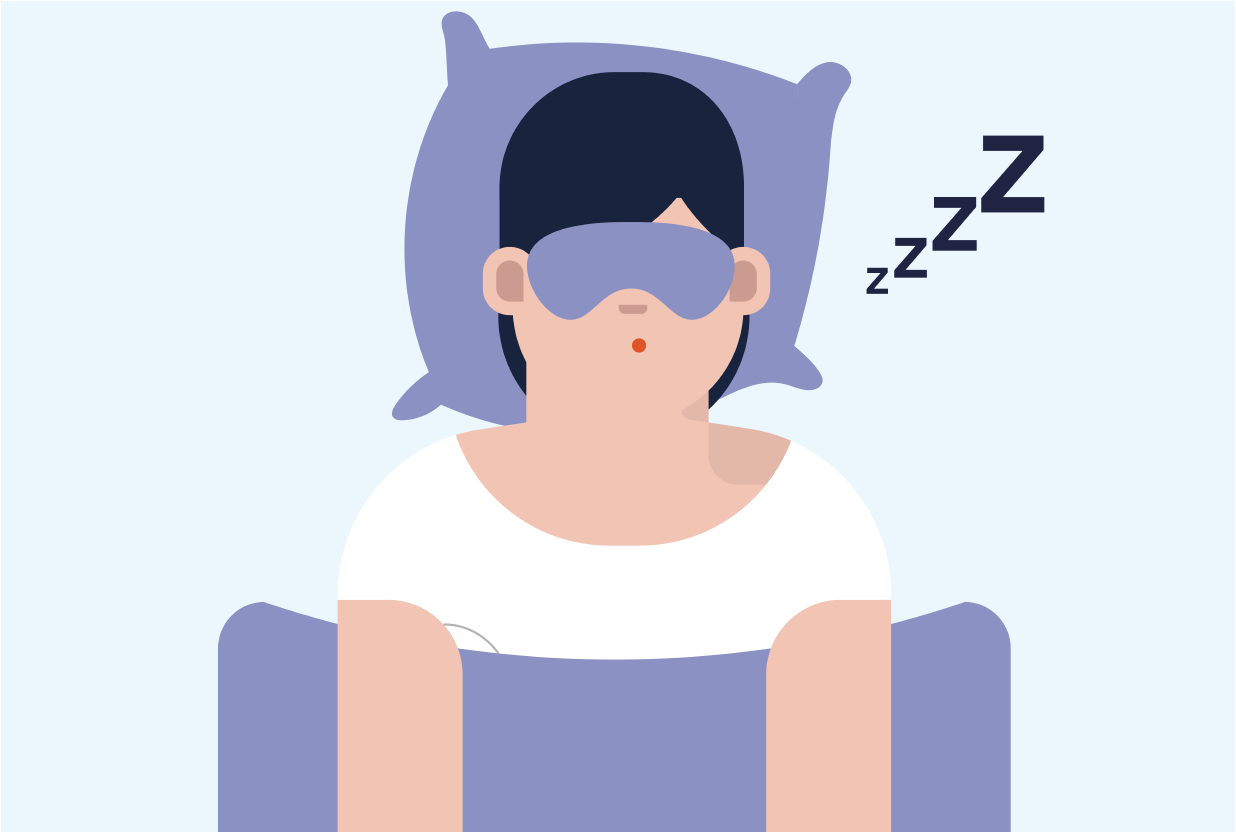
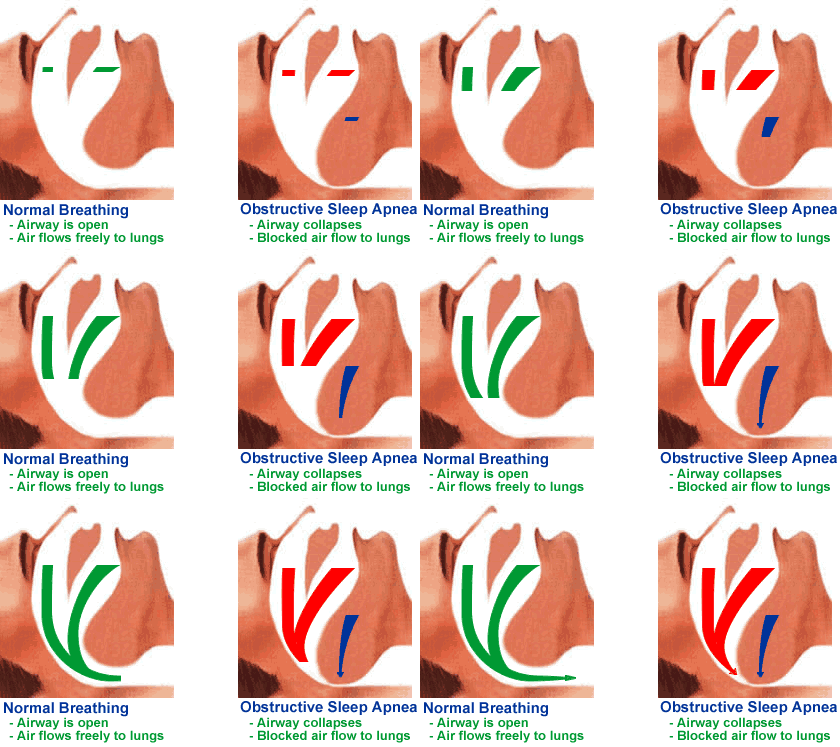
Obstructive sleep apnea (OSA), or simply sleep apnea, is a sleep disorder in which breathing is briefly and repeatedly interrupted during sleep. “Apnea” refers to a pause in breathing that lasts for at least ten seconds. It occurs when the muscles in the back of the throat fail to keep the airway open, despite efforts to breathe.


Sleep apnea can cause fragmented sleep and low blood oxygen levels. For people with sleep apnea, the combination of disturbed sleep and oxygen starvation may lead to hypertension, heart disease and mood and memory issues. Sleep apnea also increases the risk of drowsiness while driving.


There are two types of breathing interruption characteristic to sleep apnea:

  • Apnea: This is where the muscles and soft tissues in the throat relax and collapse enough to cause a total blockage of the airway. When the airflow is blocked for 10 seconds or more, this is considered apnea.
  • Hypopnea: This is a partial blockage of the airway resulting in an airflow reduction of greater than 50% for 10 seconds or more.


Obesity and sleep apnea

It is estimated that 80% of people living with obesity, particularly men, have sleep apnea. However, millions are unaware of their symptoms and may misinterpret them as something else.

Studies have been done on how bariatric surgery impacts sleep apnea. Patients on a waitlist for bariatric surgery showed a tendency towards severe sleep apnea. One year after successful surgery, the patients’ obstructive index dropped from severe to moderate.


CPAP therapy

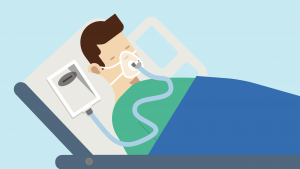
CPAP therapy is the most common and effective treatment for sleep apnea. If you have sleep apnea, proper treatment is important to reduce complications during your hospital stay. Start your CPAP therapy as soon as possible to get a more restful sleep, have more energy during the day and improve your surgery outcome. If you used a CPAP before surgery, you will find that less pressure is required after weight loss, as there is less restriction of the airway.

It is possible to lose enough weight to eliminate the need for CPAP therapy, however, this is not the norm. Once you have reached your post-bariatric surgery weight loss goal, a repeat sleep study should be conducted to assess the severity of your sleep apnea and whether you still need to use a CPAP.

The first treatment option for sleep apnea is CPAP therapy.

Categories
SMS - Baria

SMS – Baria-E-066 Micro-nutrient adherence

Introduction to nutrient intake
Bariatric surgery can dramatically alter your body’s ability to absorb vitamins, minerals and other nutrients. Additionally, the small portions of food you’ll be eating provide far less of these compounds than before surgery. Vitamin and mineral deficiencies can have serious medical implications.

That’s why it’s essential to take your prescribed nutritional supplements daily for the rest of your life. Your health care team will prescribe supplements suitable to your needs.

As your follow-up progresses, your health care team will conduct regular blood tests to check for nutritional deficiencies. The following are some of the most common deficiencies. If you neglect to take your supplements, you will be at a higher risk of developing some of the resulting symptoms.


  • Iron

This is one of the most common deficiencies. Iron is found in red meat and in small amounts in other foods, such as eggs, beans, nuts, apricots, beetroot and spinach. Women regularly lose iron during menstruation. Your health care team will probably prescribe 80-120 mg of iron per day.

Symptoms of iron deficiency include:

  • Fatigue
  • Irritability
  • Anaemia – blood tests can detect early warning signs by measuring the body’s iron store levels (ferritin concentration)

Severe iron deficiency and anaemia causes, defects to develop in the structure and function of the tongue, nails, mouth and stomach. The skin may appear pale, and the inside of the lower eyelids may appear pink instead of red. Fingernails become thin and flat, and eventually spoon-shaped. The tongue may burn and/or appear red, smooth and waxy. Extreme cases of untreated anaemia can result in heart failure.


  • Vitamin B1 (Thiamine)

Vitamin B1 is a very important nutrient after bariatric surgery. Its role is to promote the oxidative metabolism of glucose –that is the body’s ability to use carbohydrates as energy.

A deficiency of vitamin B1 can appear in connection with severe vomiting or when glucose is perfused, leading to a shortage of glucose in the nervous system. Under these circumstances, the neurological symptoms may be severe. If vomiting persists for more than 12 hours, call your health care team.


  • Vitamin D

Vitamin D deficiency is very common before surgery and often increases after any type of bariatric surgery. Vitamin D is important for bone health and is increasingly recognised as responsible for muscle malfunction. Lack of vitamin D may lead to decreased bone density (osteopenia and osteoporosis) and sometimes fractures. Other consequences of vitamin D deficiency include muscle weakness and fatigue, leading to falls among the elderly.


  • Vitamin B12 (Cobalamin)

A severe vitamin B12 deficiency can cause neurological disorders ranging from cognitive impairment and depression to incontinence and nerve damage. The damage caused by vitamin B12 deficiency cannot always be reversed by taking additional B12 supplements. It is important to regularly monitor B12 in the blood and to prevent deficiencies.

Symptoms of vitamin B12 deficiency include numbness, tingling and burning in the feet as well as stiffness and general weakness in the legs. Anaemia is common, and early signs can be detected with blood tests. It may take 5 or 6 years for deficiency symptoms to appear after natural sources of the vitamin are restricted.


  • Calcium

Calcium is essential for the proper functioning of many organs. The most significant consequence of calcium deficiency is its impact on bone health (osteoporosis, reduction of bone density and sometimes bone fractures). About 1000-1500 mg of calcium are required every day.

Tetany – This condition is caused by extremely low levels of calcium in the blood, increasing the irritability of nerve fibres and nerve centres and resulting in muscle spasms such as leg cramps.


  • Vitamin B9 (Folic acid)

Folic acid is important for red blood cell formation and healthy cell growth and function. During early pregnancy, folic acid is critical for reducing the risk of birth defects in the brain and spine. The recommended daily amount for adults is 400 mcg. Adult women who are planning a pregnancy or are pregnant should take 400 to 800 mcg of folic acid a day.

The symptoms of folic acid deficiency are often subtle. They include:

  • Fatigue
  • Grey hair
  • Mouth sores
  • Tongue swelling
  • Growth problems


  • Magnesium

Magnesium is a mineral that helps:

  • Maintain normal nerve and muscle function
  • Support a healthy immune system
  • Keep the heartbeat steady
  • Bones remain strong
  • Regulate blood glucose levels and aid in protein synthesis

Magnesium deficiency causes noticeable negative symptoms including muscle aches or spasms, poor digestion, anxiety, and trouble sleeping.

You will need to have your vitamin and mineral levels checked periodically. If in doubt about your nutrient requirements, deficiency symptoms or blood tests, don’t hesitate to contact your health care team.
Categories
SMS - Baria

SMS – Baria-E-065 Medication adherence

Anti-reflux drugs

After surgery, your health care team will prescribe anti-reflux drugs for at least three months. This medication prevents sub-optimal healing, gastric reflux, and, if you had a gastric bypass, it prevents anastomotic ulcers. After three months, your health care team will evaluate, on the basis of your symptoms and the procedure you underwent, whether you need to continue to take these drugs.

Gallstone prevention

If you still have your gallbladder, your health care team may prescribe ursodeoxycholic acid for six months to prevent gallstone formation. Unfortunately, this medication is not subsidized, and the cost could be prohibitive. Starting the prescribed diet well before surgery to avoid rapid weight loss immediately after surgery, keeping well hydrated, and making sure to stimulate the gall bladder with small amounts of cream and butter every now and then in your food could help to prevent stagnation and eventual stone formation.

If you have diabetes

On the days following your procedure, you will not be eating much, and your diabetes treatment will therefore be adapted to your blood glucose. Typically, insulin doses are reduced by at least half and oral drugs are only taken if necessary. Our bariatric physician will plan your pre- and post-operative diabetic management, but we also advised regular check-ups with your endocrinologist after surgery to determine if and how your diabetes treatment should be adapted over the long term.

It is important to stop taking newer oral anti-diabetic medication (flozin’s), SGLT2, about 3 days prior to surgery. To prevent a dangerous reaction, your surgery may be postpended if the medication stoppage is overlooked.

If you take diuretics

If you took diuretics before surgery, you would need to refrain after surgery because you will be drinking much less, and there is a high risk of dehydration. Your health care team will tell you what to do about diuretics.

All your routine medications will be reviewed before surgery by our bariatric physician and a management plan will be drawn up. Your heart and blood thinning medication are very important and need to be carefully reviewed prior to surgery.

If you use a CPAP

Remember to bring your CPAP (continuous positive airway pressure) device with you to the clinic when you check in for surgery. You will need it on the night before surgery and for several weeks afterwards. Later, after you have lost significant weight, your health care team will evaluate whether you need to continue to use it.

Categories
SMS - Baria

SMS – Baria-E-064 Primary post-surgery concerns


Even though we do not expect you to have any serious problems after your surgery, you may experience some symptoms that need to be addressed immediately. If you experience any of the following symptoms, contact your health care team right away:

  • Accelerated heart rate above 120 bpm
  • Fever of 38° or higher
  • Redness, swelling, increased pain and/or pus-like drainage from your wound
  • Chest pain and/or shortness of breath
  • Nausea and/or vomiting that lasts for more than 12 hours
  • Pain, redness and/or swelling in your legs
  • Urine output less than four times in 24 hours
  • Pain that is unrelieved by pain medication

Normal symptoms and when to be alert

  • Moderate swelling and bruising are normal after any surgery
  • Mild to moderate discomfort or pain
  • Numbness – small sensory nerves to the skin are occasionally cut when the incision is made or are interrupted by undermining of the skin during surgery. The sensation usually returns within 2 to 3 months as the nerve endings heal

– Note: Be especially careful not to burn yourself when applying heating pads to the area that may have some postoperative numbness

  • Itching – itching and occasional small shooting electrical sensations within the skin frequently occur as the nerve endings heal. These symptoms are common during the recovery period

– Note: Ice, skin moisturisers, vitamin E oil and massage can help

  • Redness of scars – all new scars are red, dark pink or purple. The scars take about one year to fade

– Note: We recommend that you protect your scars from the sun for a year after your surgery. Even through a bathing suit, a good deal of sunlight can reach the skin and cause damage. Wear a sunscreen with a skin-protection factor (SPF) of at least 15 when out in sunny weather.