Categories
SMS - Baria

SMS – Baria-E-109 Physical activity programme post surgery – phase 3

Over the next two weeks, we will add new strength exercises. Walking will continue to be part of your programme, with the amount increasing gradually. 


1. Walking 

Walk for 15 minutes every day. Walk on flat and easy terrain. The exertion should be light to medium. 


2. Mobilisation and strength 

Practise the following exercise twice a week: 

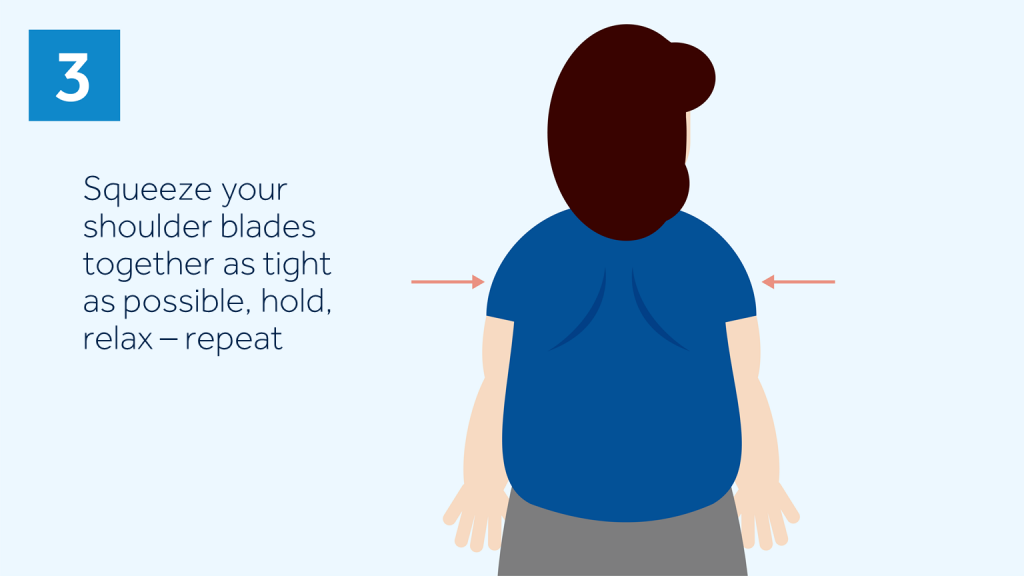
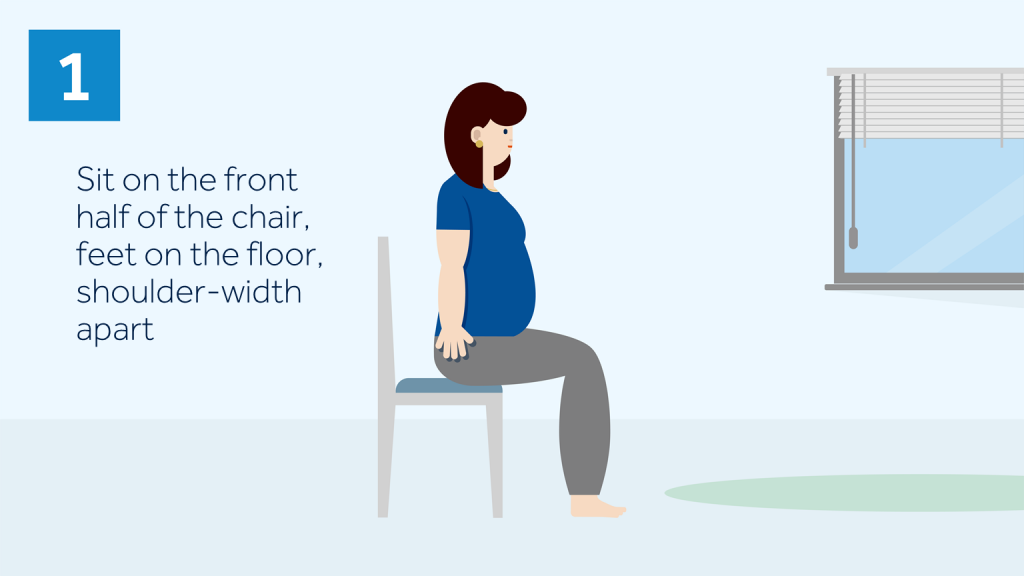
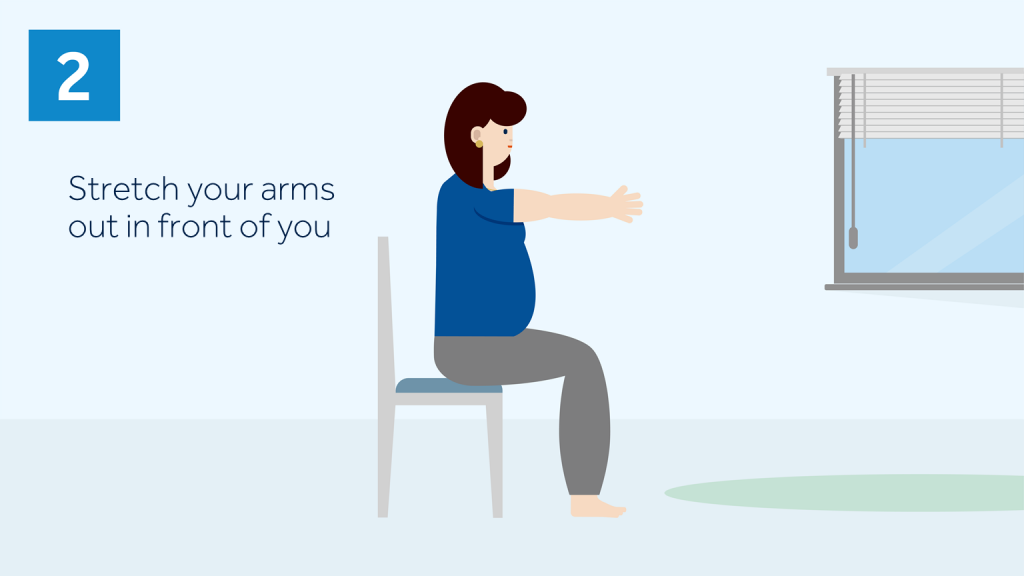
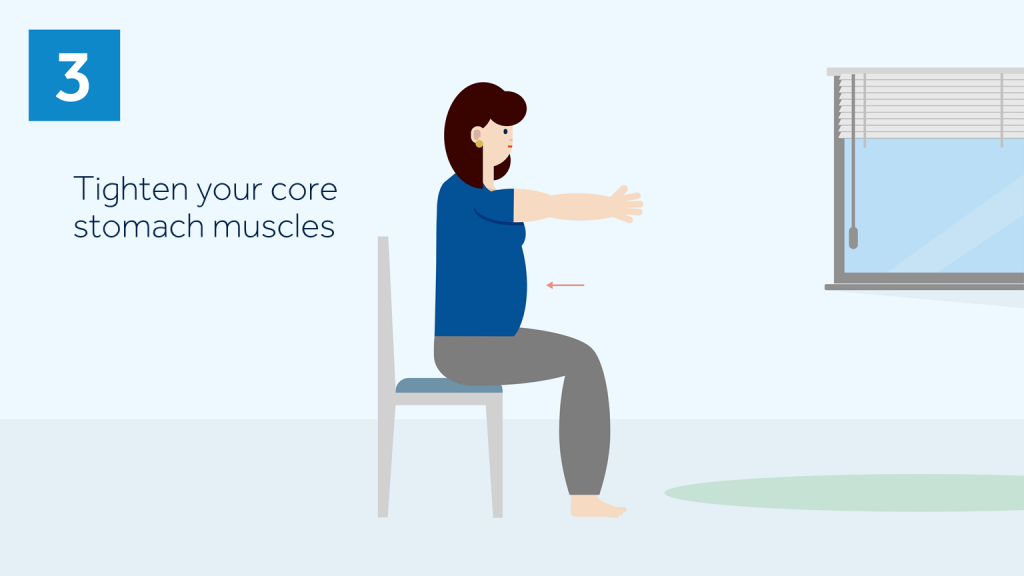
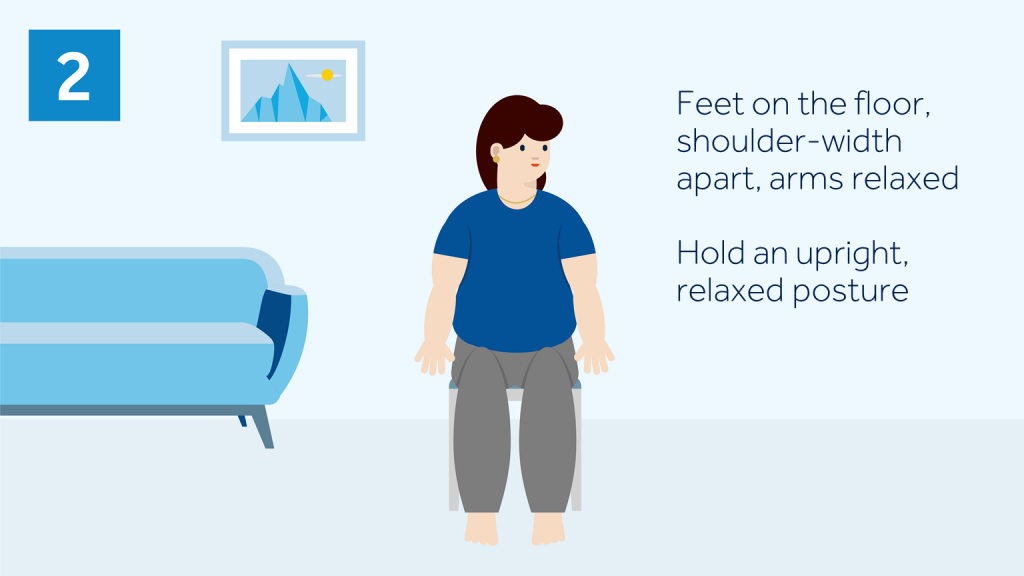
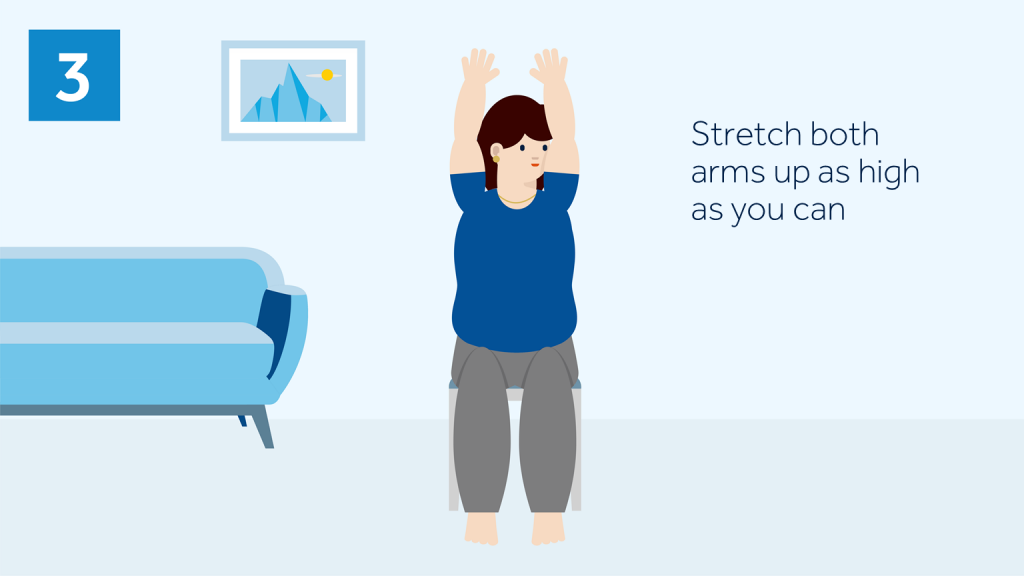
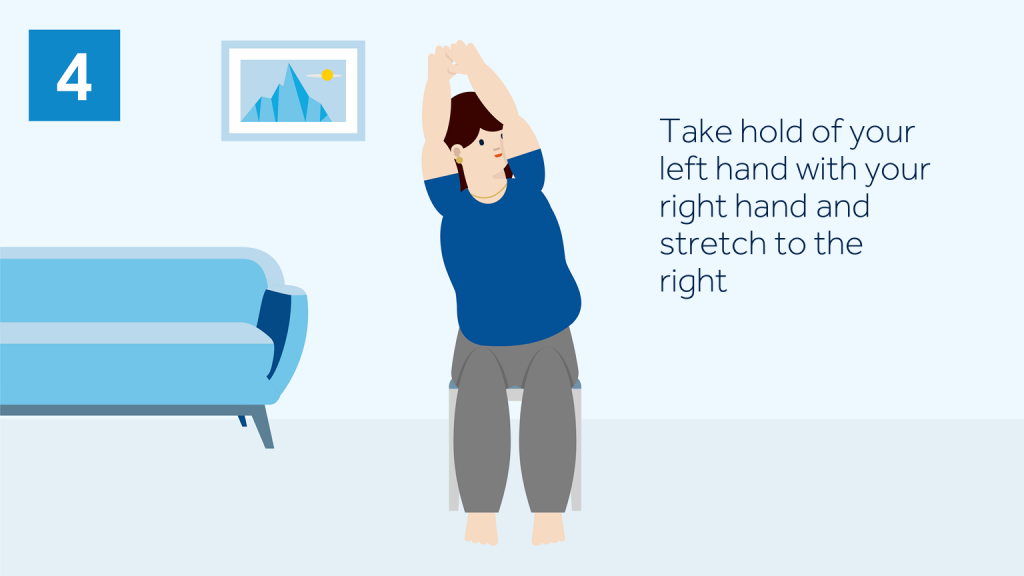
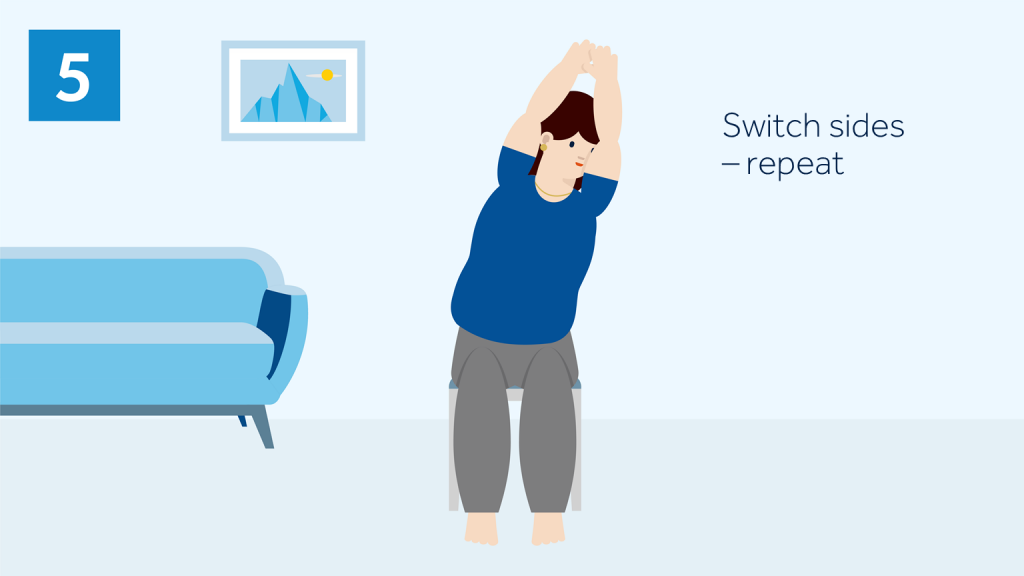
  • Blade stretch: 2 x 10 repetitions  

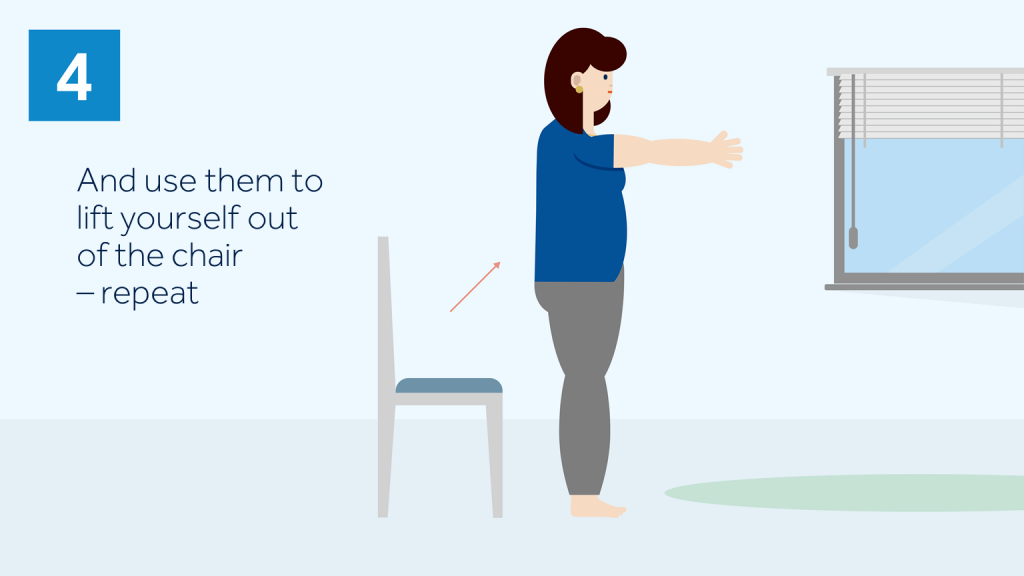
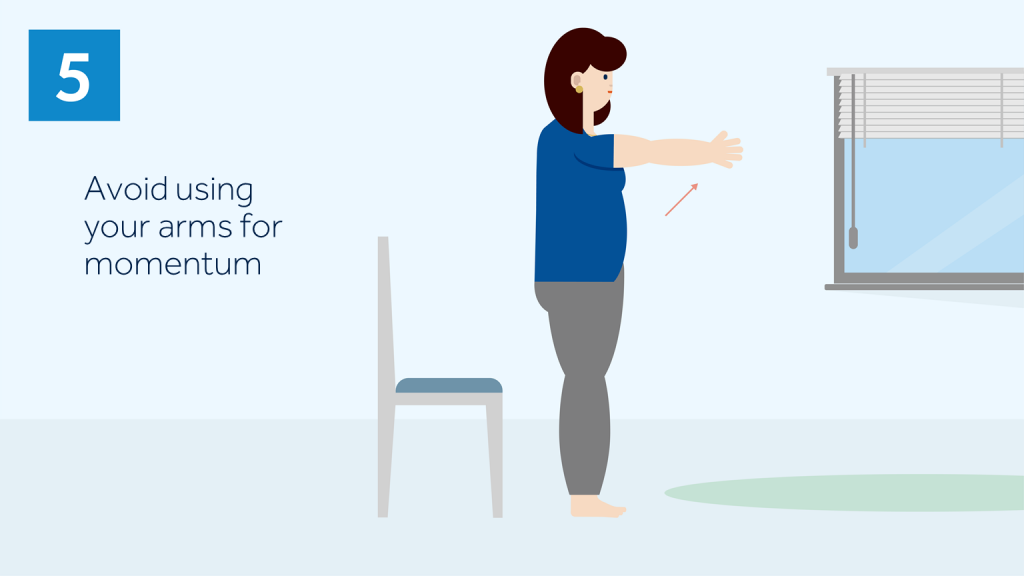
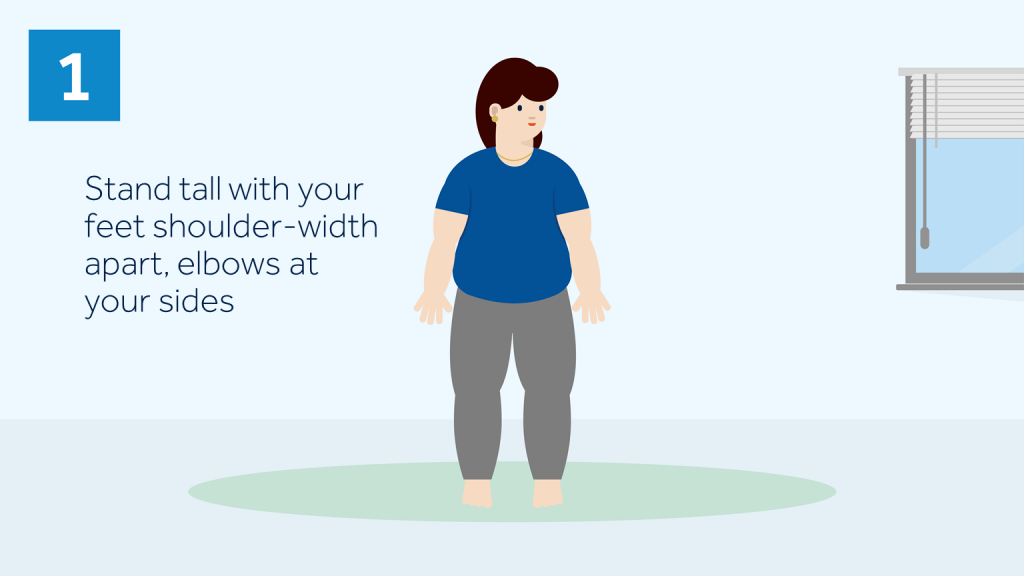
  • Sit & stand: 2 x 10 repetitions 

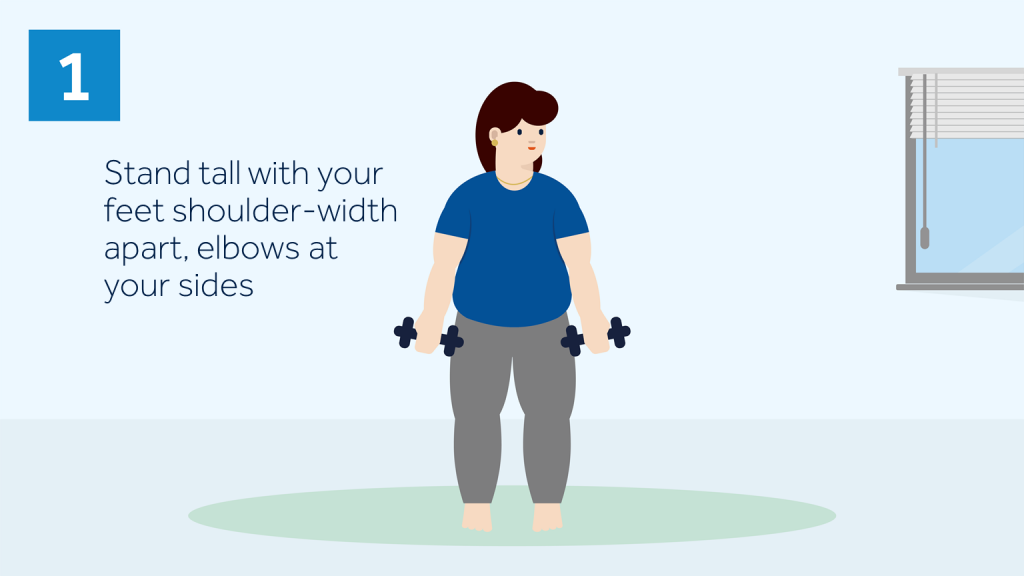
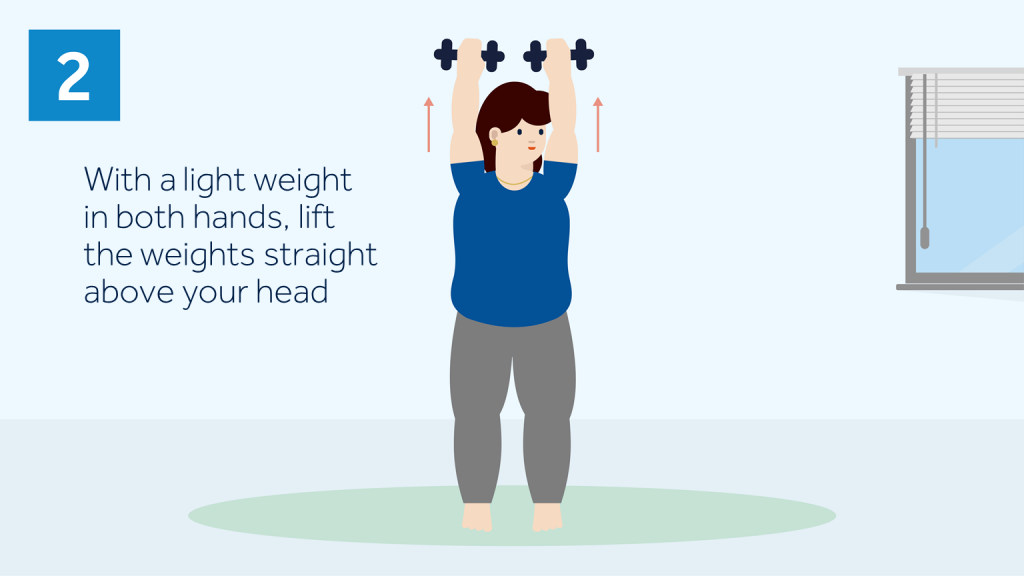
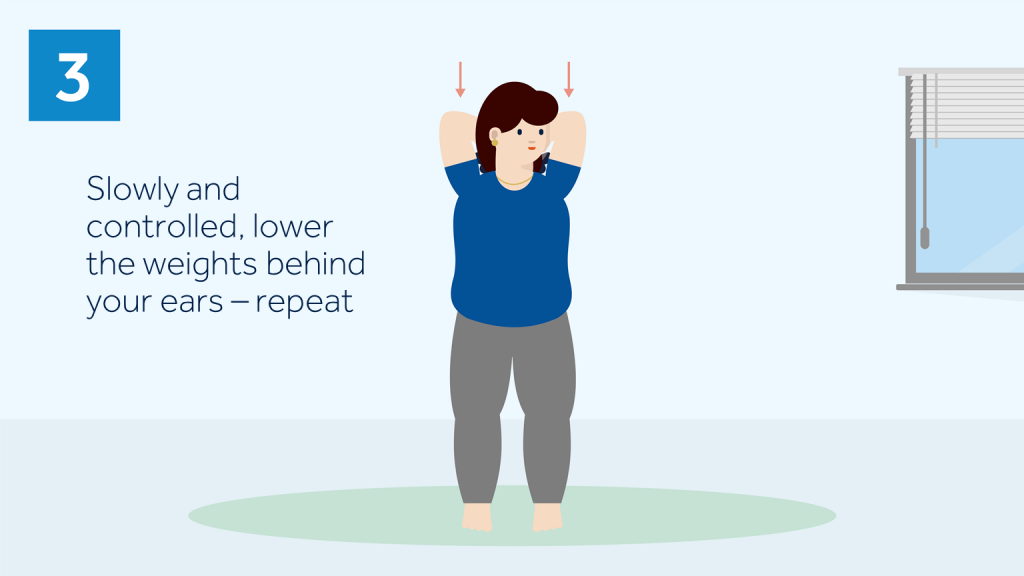
  • Tricep curls: 2 x 10 repetitions

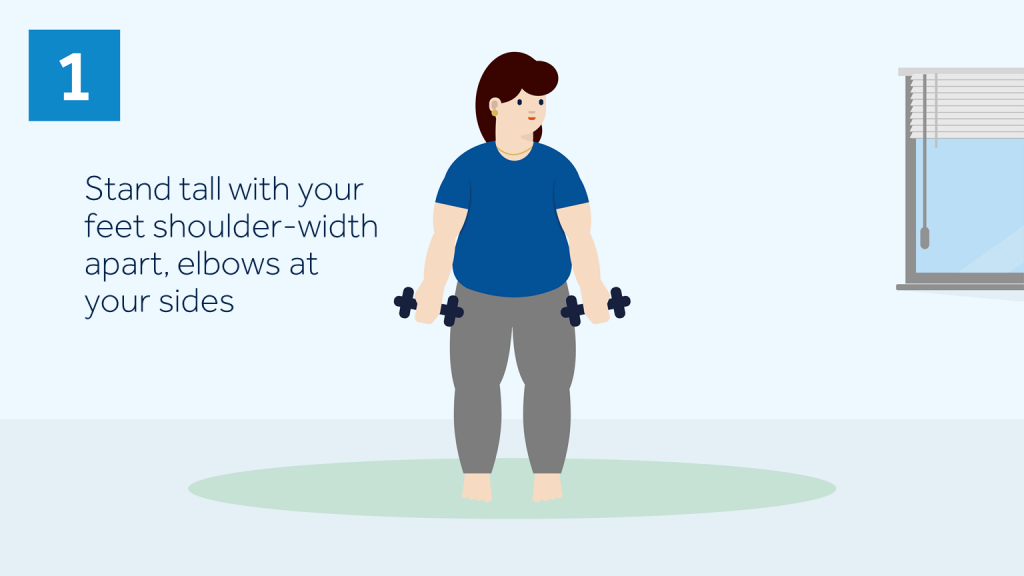
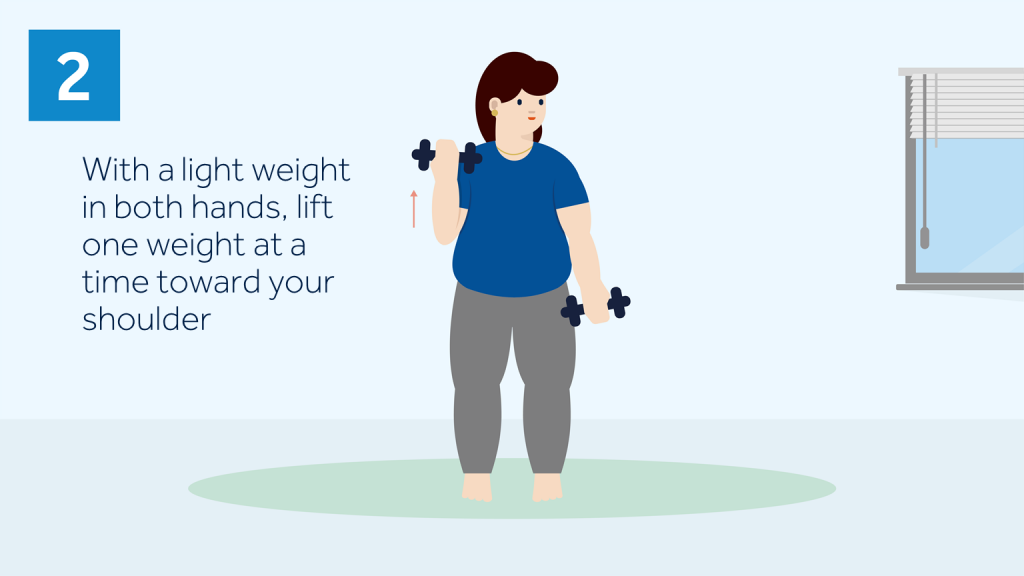
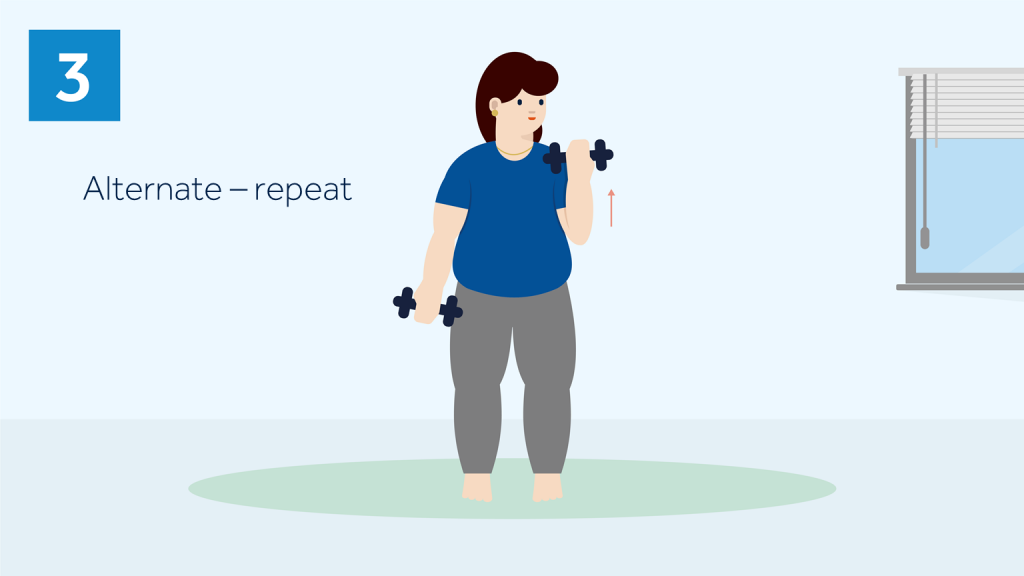
  • Bicep curls: 2 x 10 repetitions 


Physical activity programme, post-op – Phase 3: Weeks 4 & 5 tabular view 


Walking – 5 times a week 
20 minutes 
Flat, easy terrain 
Medium exertion 


Mobilisation and strength – 3 times per week 
Blade stretch 2 x 10 repetitions
Sit & stand 2 x 10 repetitions
Tricep curls 2 x 10 repetitions
Bicep curls 2 x 10 repetitions
Chest press 2 x 10 repetitions
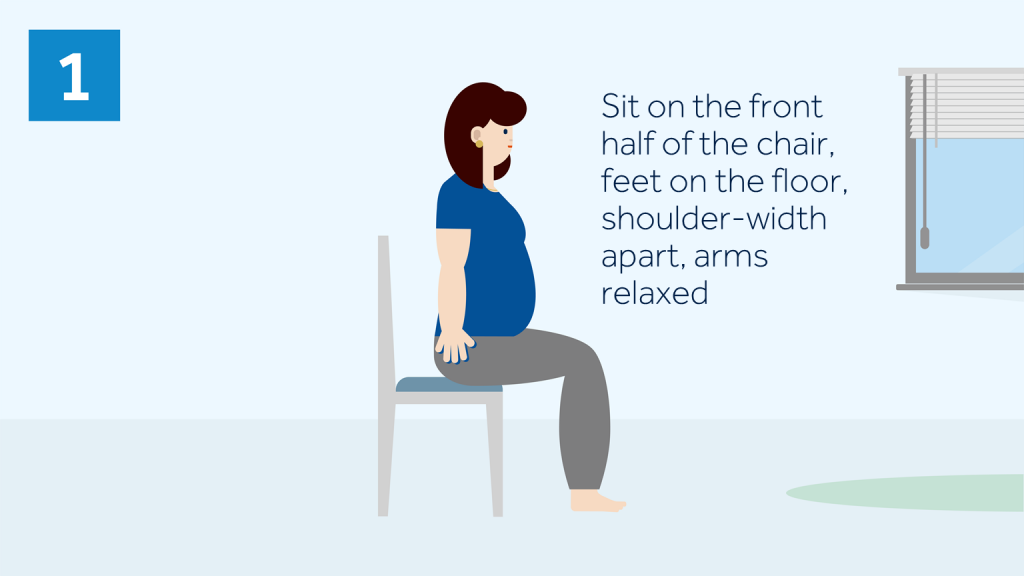
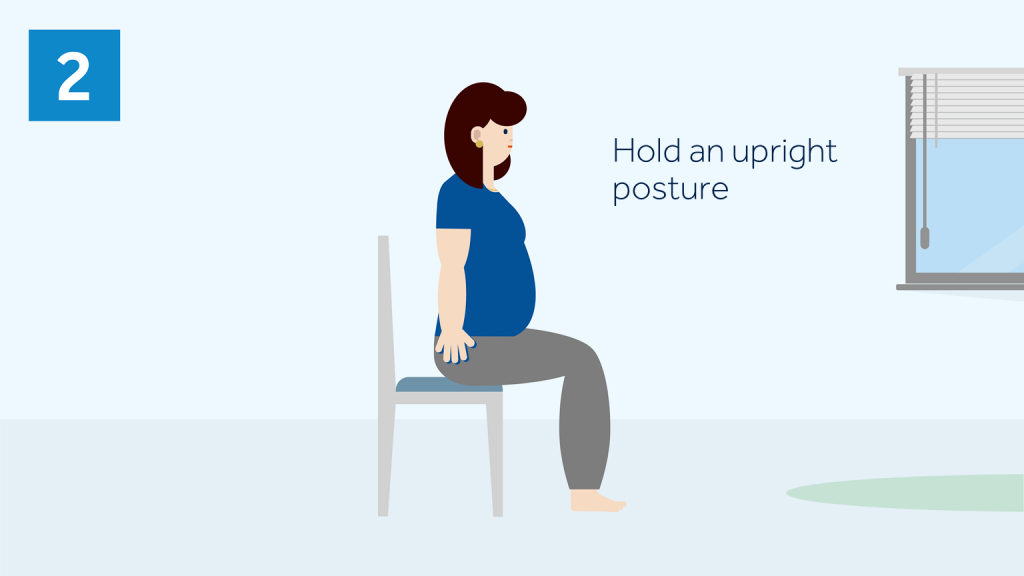
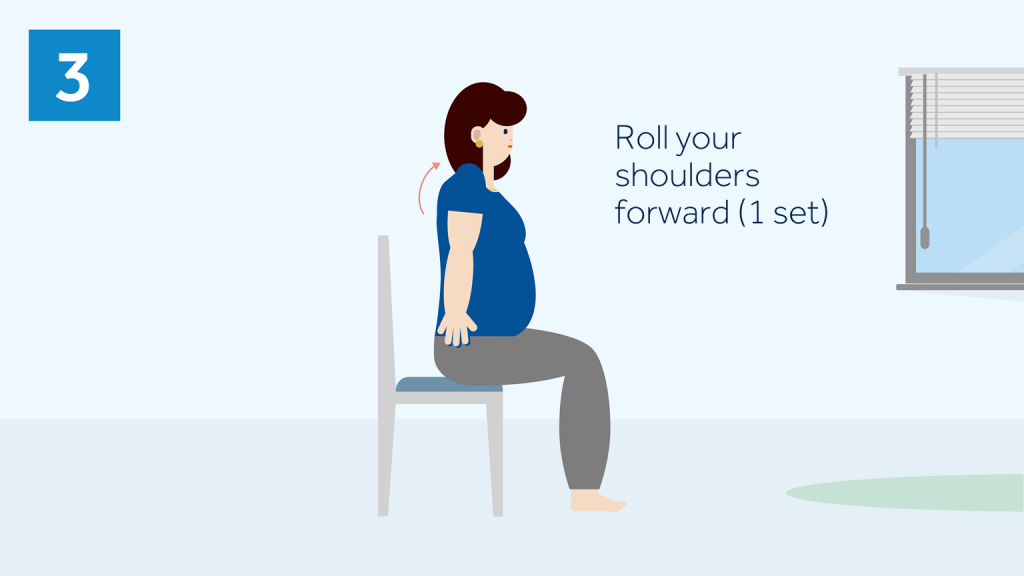
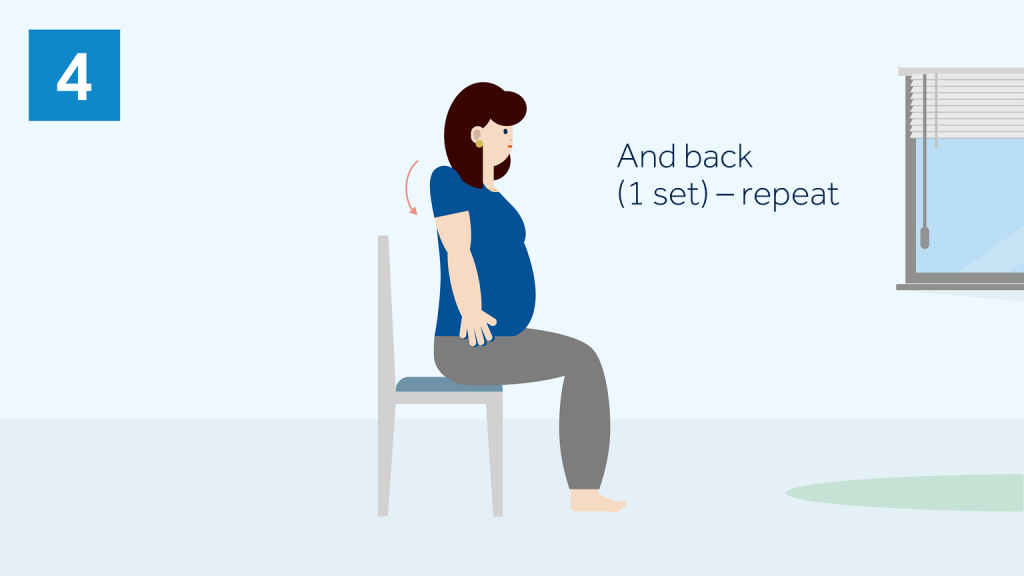
Shoulder rolls 2 x 10 repetitions
Categories
SMS - Baria

SMS – Baria-E-108 Physical activity programme post surgery – Phase 2

It is now the second week after discharge. We will continue to focus on light mobilisation exercises for the next two weeks, increasing the number of mobilisation exercises.  

In two weeks, you will progress to phase 3. 


1. Walking

Walk for 15 minutes every day. Walk on flat and easy terrain. The exertion should be light to medium. 


2. Mobilisation 

Practise the following exercises every day: 

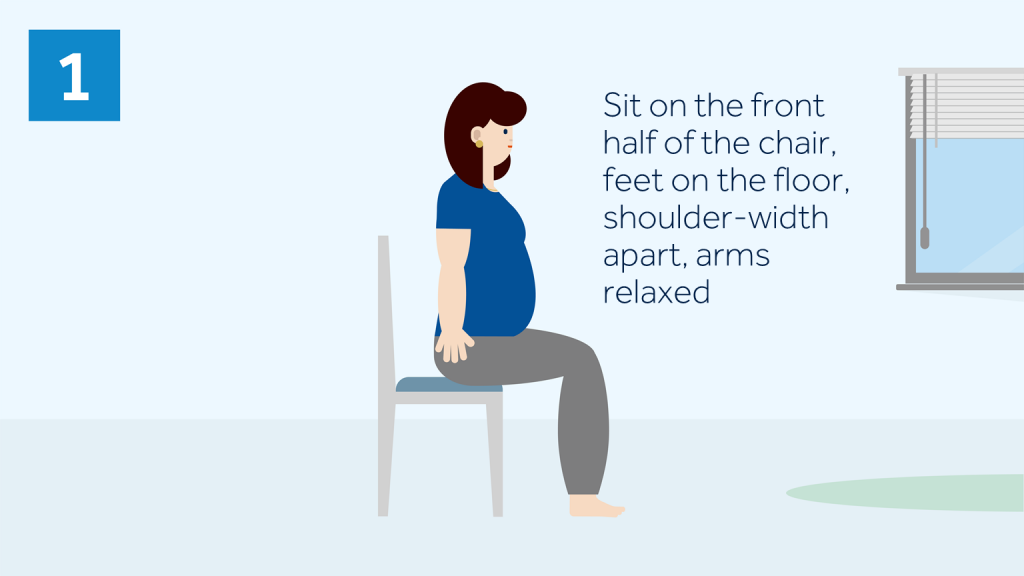
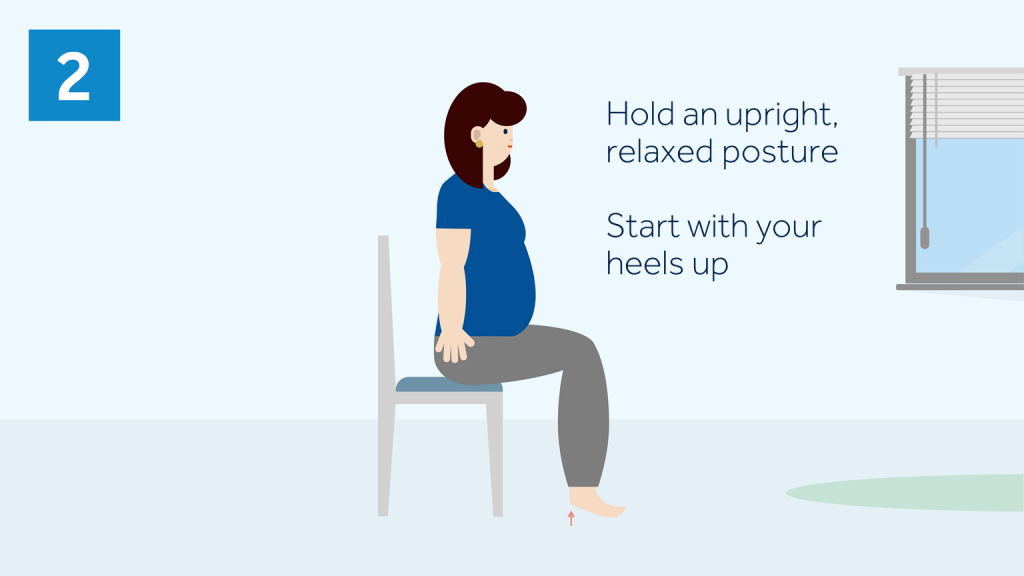
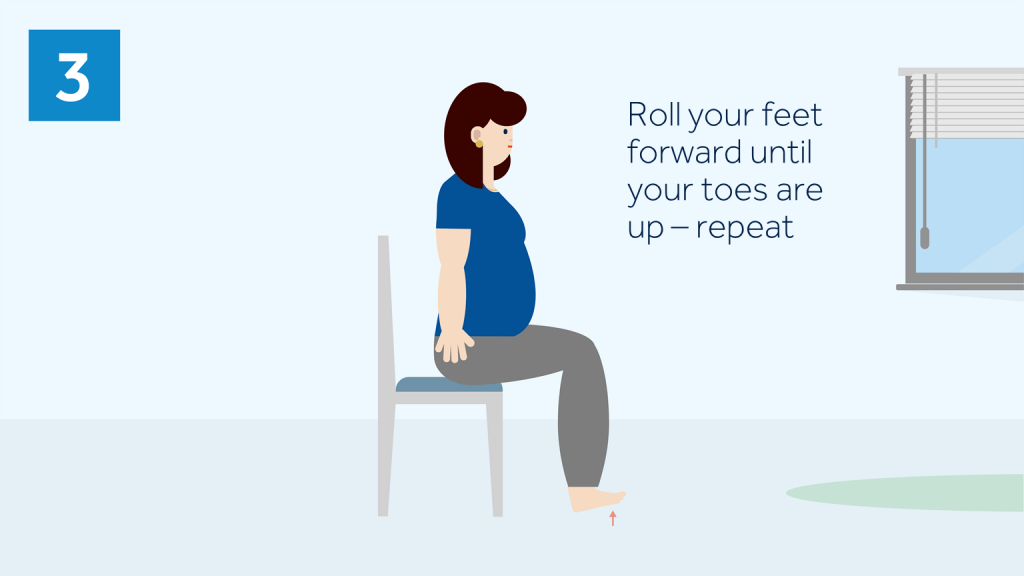
  • Calf raises: 2 x 5 repetitions 

  • Side stretches: 2 x 5 repetitions 

  • Shoulder rolls: 2 x 5 repetitions 


3. Breathing 

Do all breathing exercises every day:

  • Deep breathing – 30 repetitions  
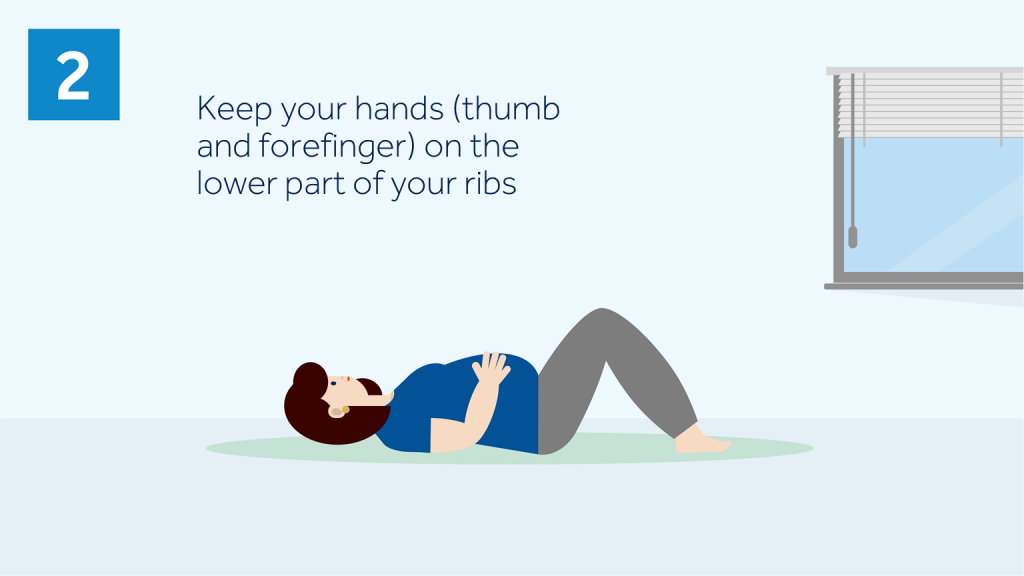
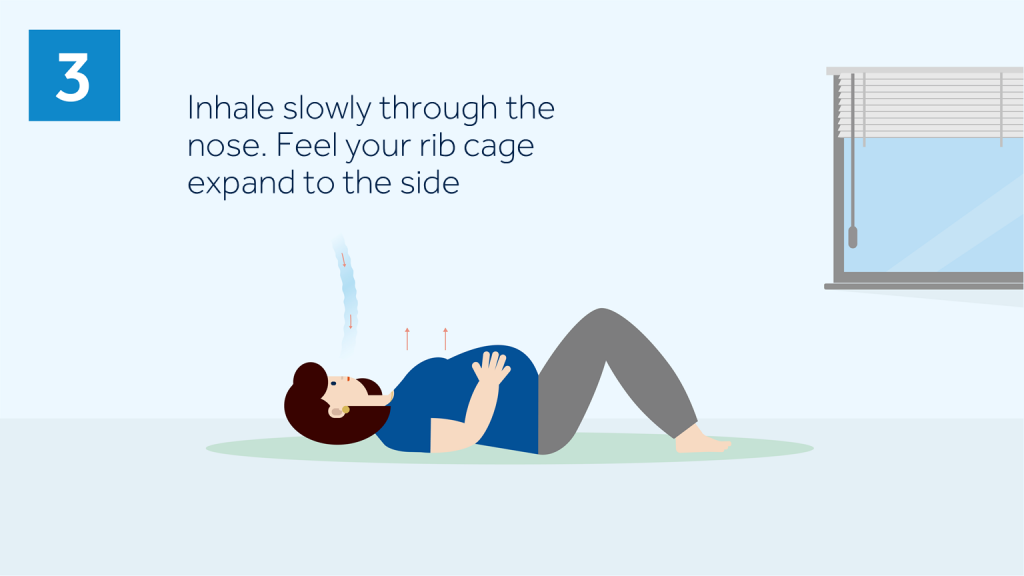
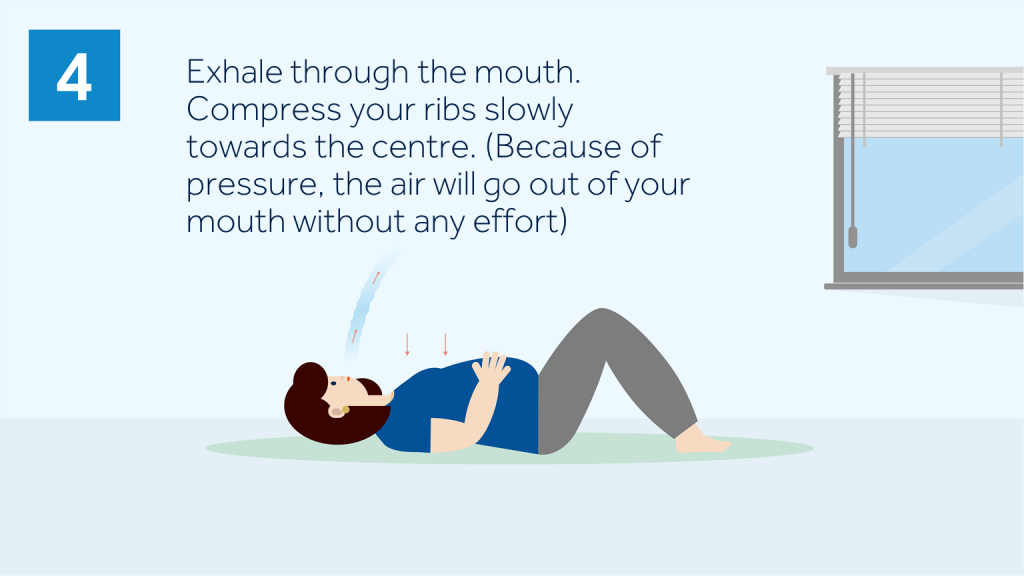
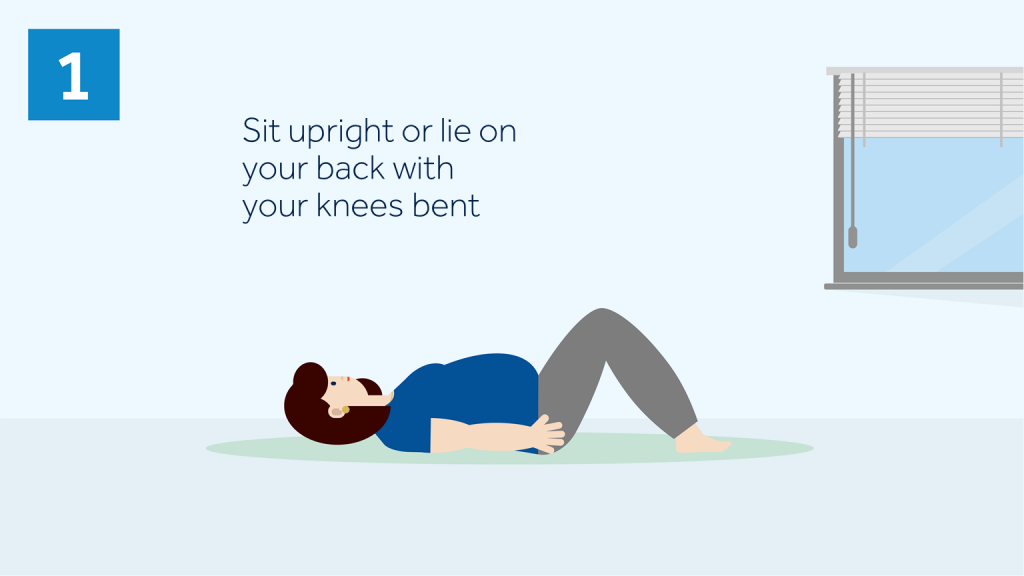
  • Lateral breathing – 30 repetitions
  • Abdominal breathing – 30 repetitions 


Physical activity programme, post-op – Phase 2: Weeks 2 & 3 tabular view 


Walking – 7 times a week    Breathing – 7 times a week 
Flat, easy terrain Deep breathing
Light to medium exertion Lateral breathing
Abdominal breathing


Mobilisation – 7 times a week  
Calf raises  2 x 5 repetitions 
Side stretches  2 x 5 repetitions 
Shoulder rolls  2 x 5 repetitions 
Categories
SMS - Baria

SMS – Baria-E-107 Physical activity programme post surgery –Phase 1

You have done it! Your life after bariatric surgery begins now.

Immediately following surgery your body is in recovery mode. Our focus, therefore, is on light mobilisation exercises for the first week.  


Mobilisation exercises lubricate your joints and improve their function. They can also relax your muscles and the surrounding tissue. Regular mobilisation exercises can increase your awareness of your joints and alleviate pain and oedema –the fluid build-up that causes swelling. Mobilisation exercises concentrate on your biggest, most visible joints – ankles, knees, hips, elbows and shoulders. 


Always start mobilisation exercises with small, gentle movements. If you feel any stiffness or pain, try moving in the opposite direction. If a movement is too painful, avoid it until the pain subsides and you are ready to try mobilising that area again. 


The goal in this phase is to keep your joints lubricated to retain mobility and your muscles active to retain muscle mass.  


Daily walking and breathing exercises are also recommended. Take care to listen to your body and gradually progress your activity level.  

After one week, you will progress to phase 2. 


1. Walking 

Walk for 15 minutes every day. Walk on flat and easy terrain. The exertion should be light to medium.  


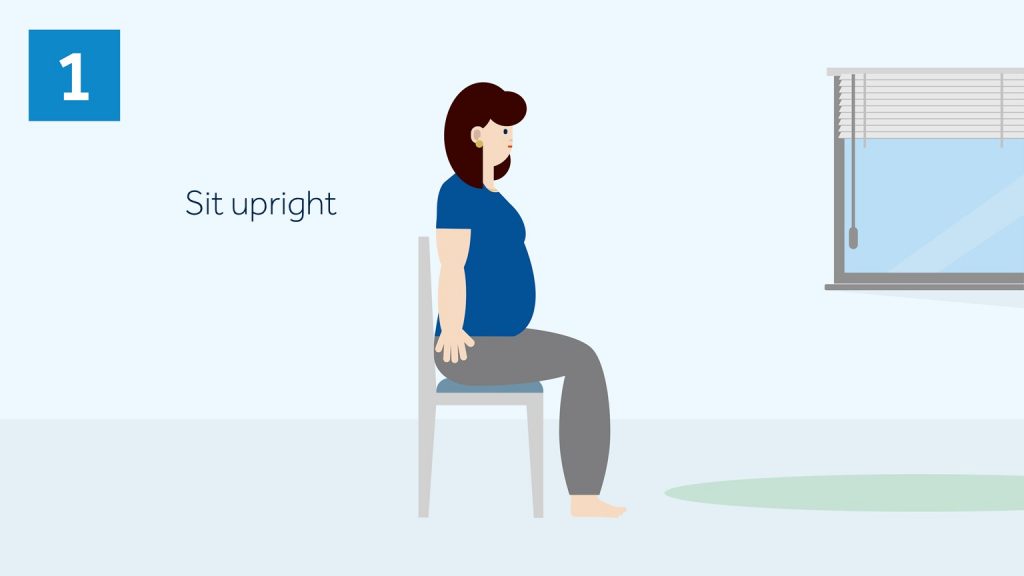
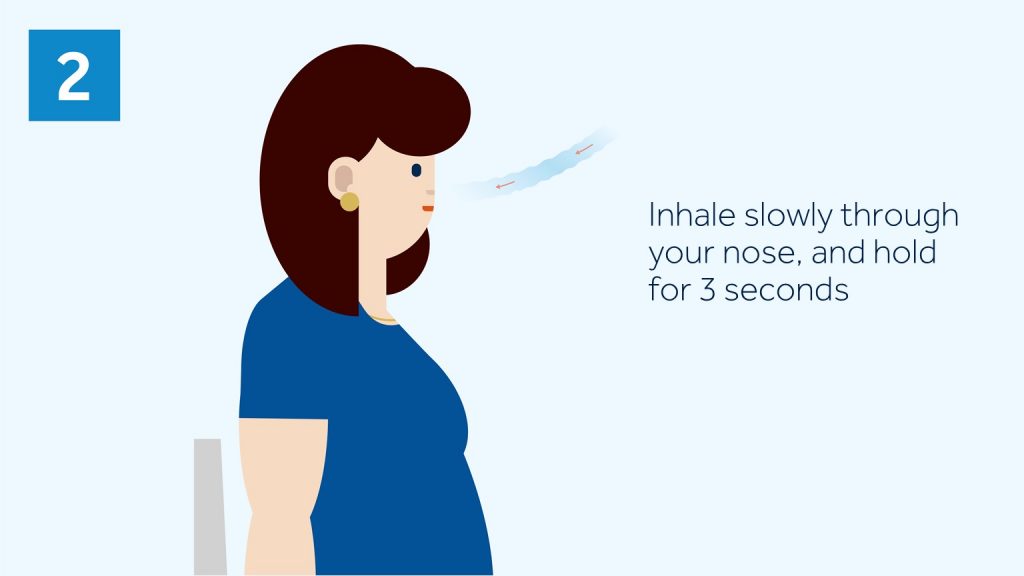
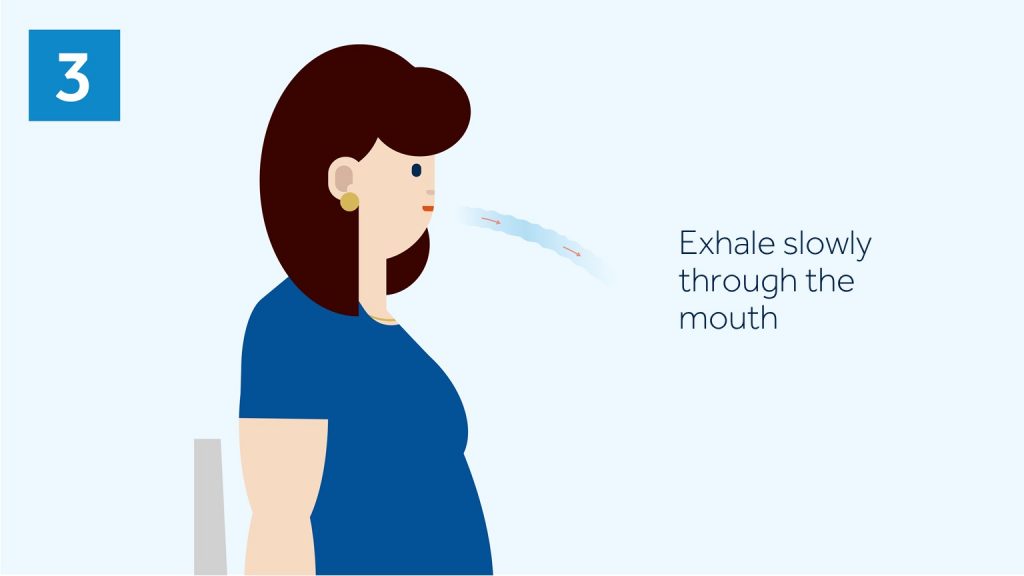
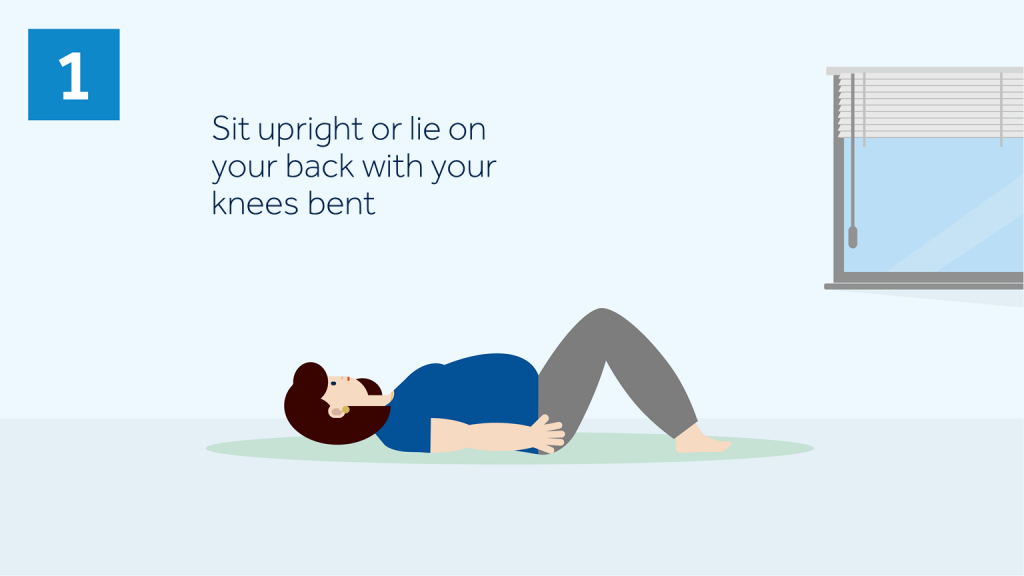
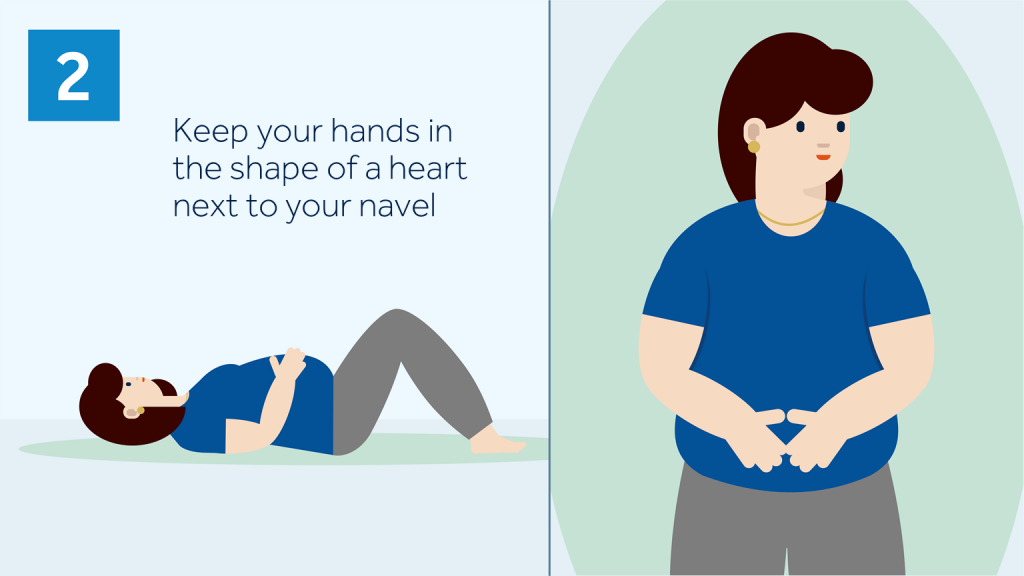
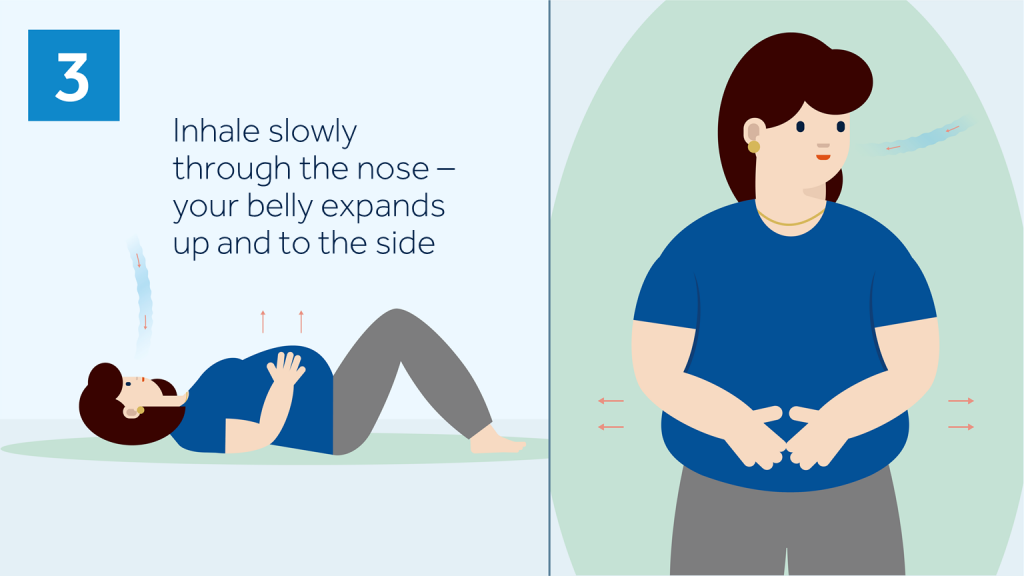
2. Breathing 

Do all breathing exercises every day:

Deep breathing – 30 repetitions  


Lateral breathing – 30 repetitions 


Abdominal breathing – 30 repetitions 


Walking – 7 times a week  Breathing – 7 times a week 
15 minutes  Deep breathing 
Flat, easy terrain  Lateral breathing 
Light to medium exertion  Abdominal breathing 


Categories
SMS - Baria

SMS – Baria-E-100 My daily activity program – phase 3

Welcome to your daily activity program!

Here’s a daily activity regimen for you to follow over the next few weeks.

Make sure you continue to stay active and perform your daily activities. Reduce your sitting time and change positions at least once every hour.


Mobilisation and strength

Mobilisation and strength exercises are crucial for maintaining your ability to move. Increasing strength also means your muscles require more energy (burn more calories), which supports your weight loss goal. You will find a description of each exercise here. 

  • Shoulder rolls: 5 repetitions  

  • Calf raises: 5 repetitions 

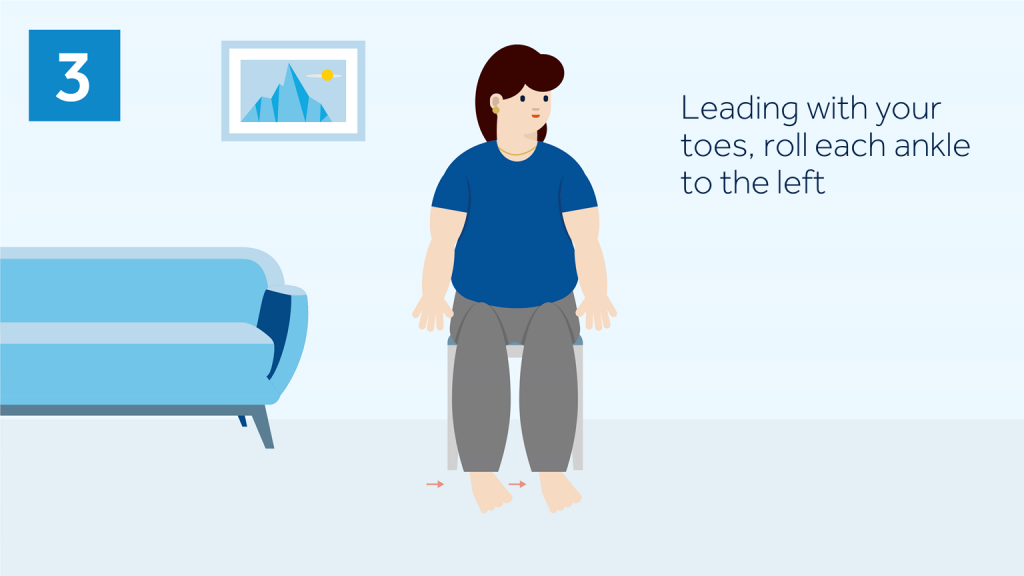
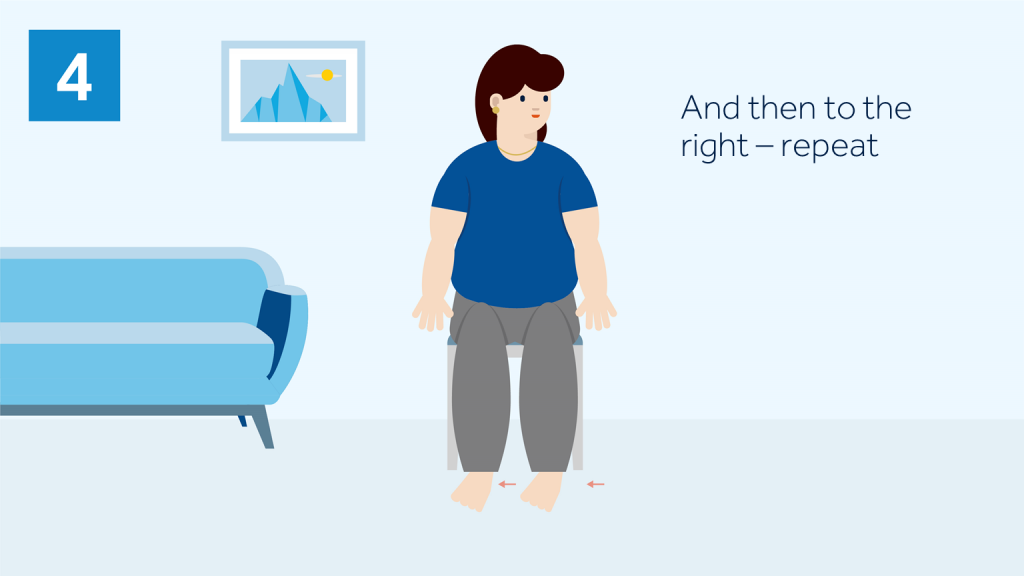
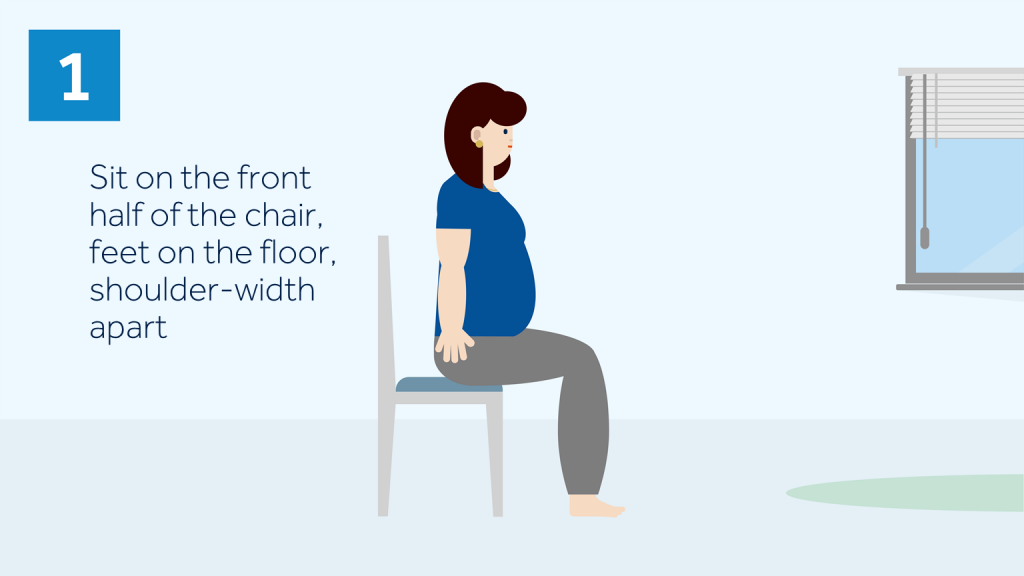
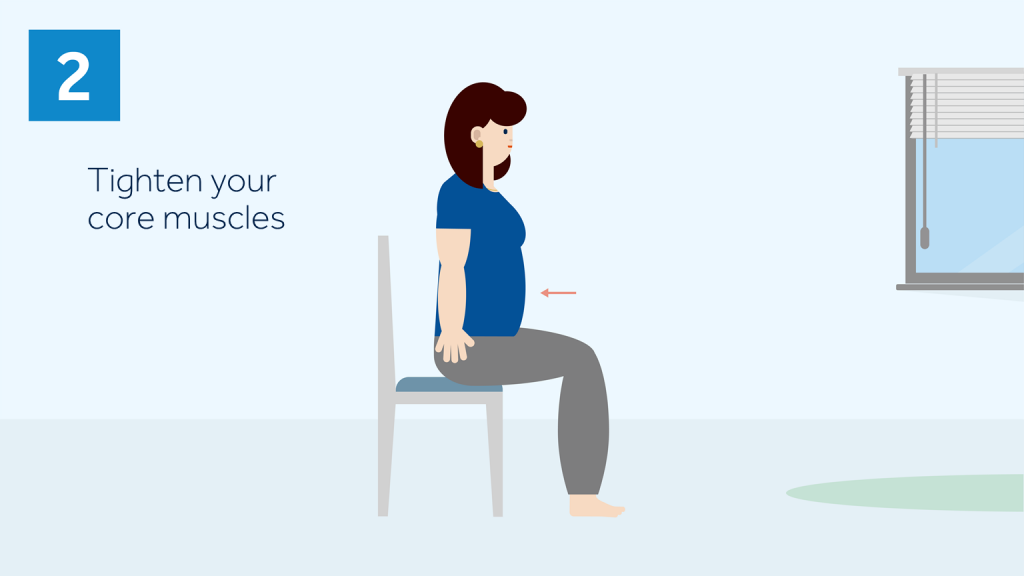
  • Ankle rolls: 5 repetitions

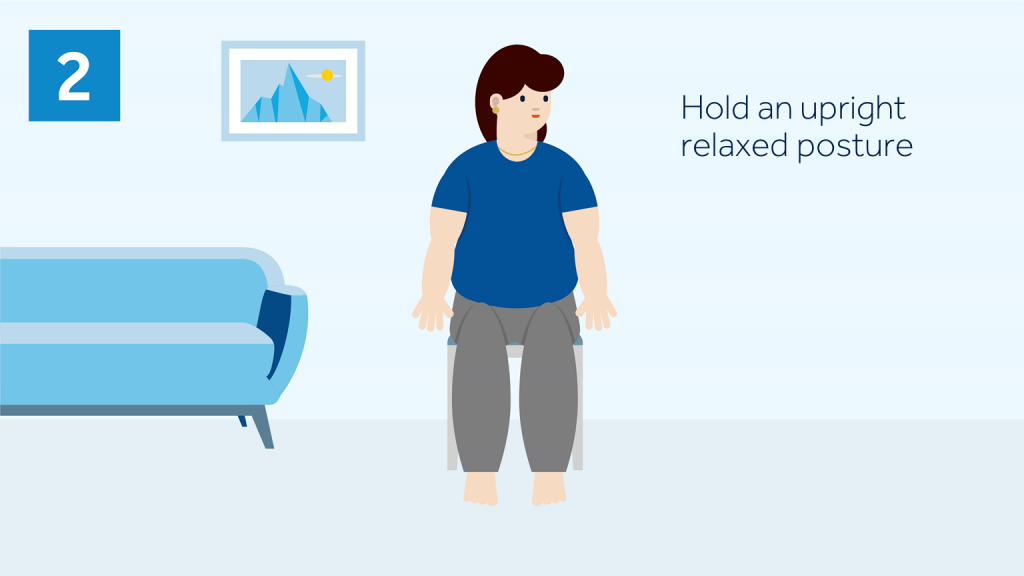
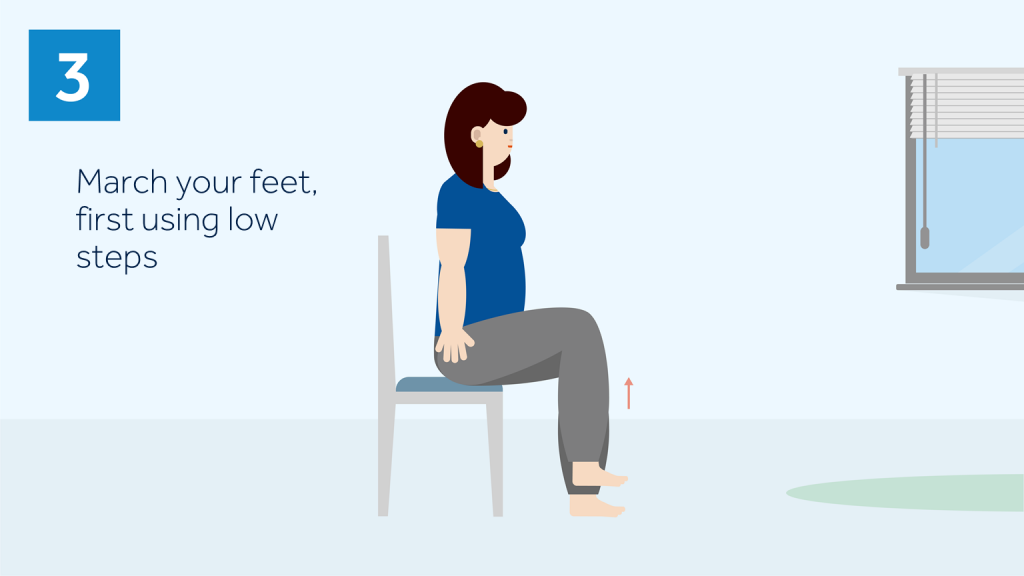
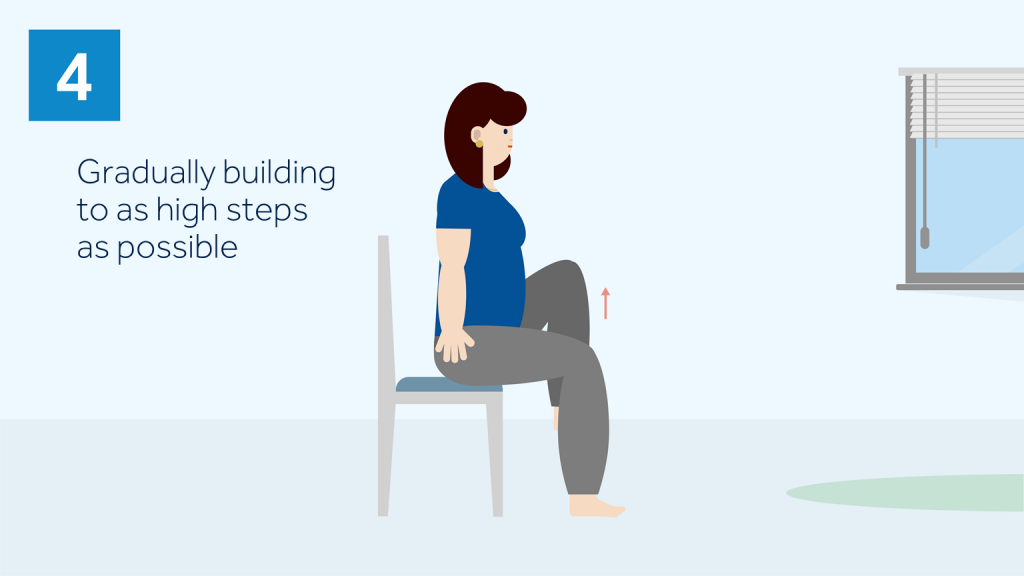
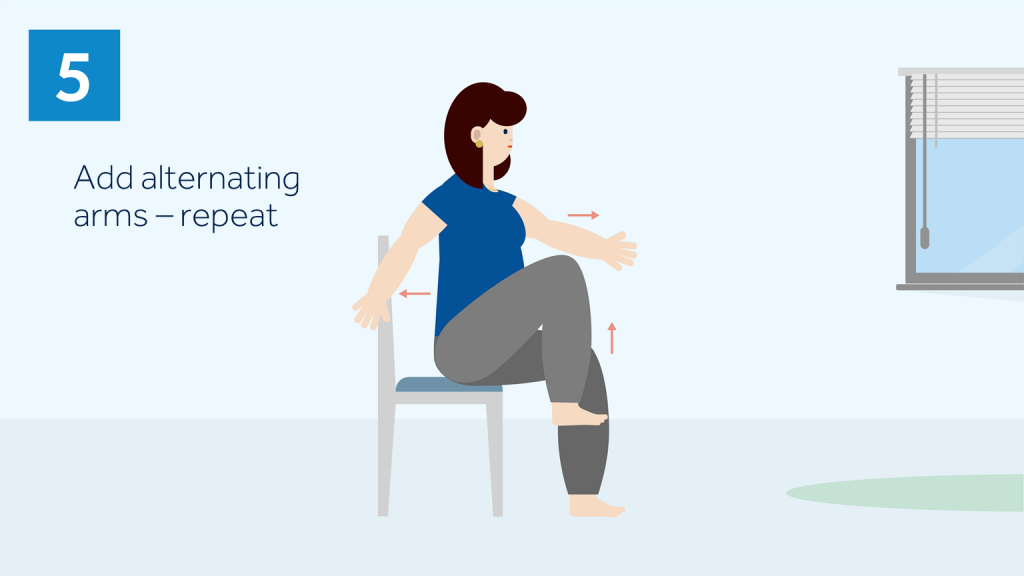
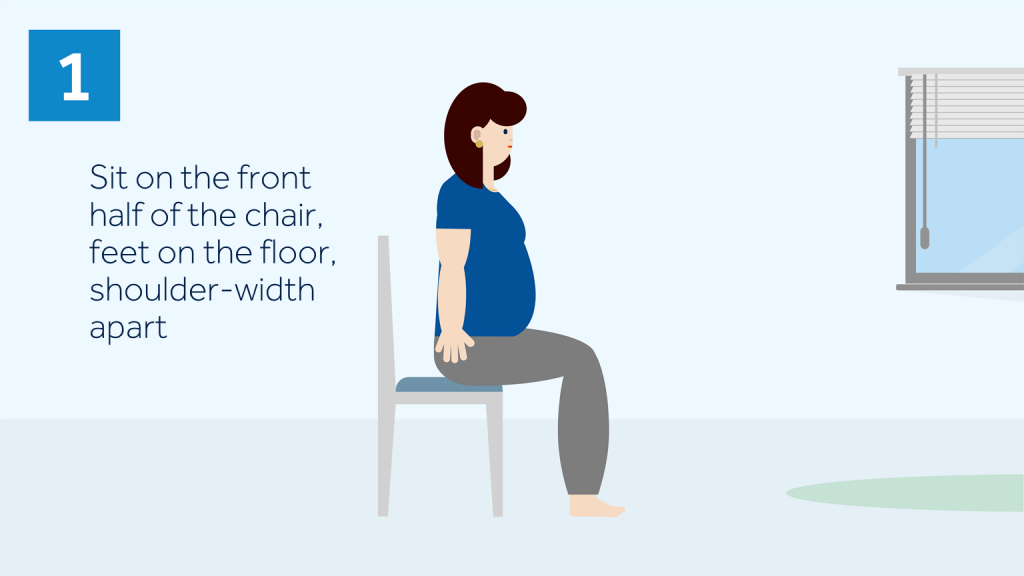
  • Chair march: 5 repetitions 

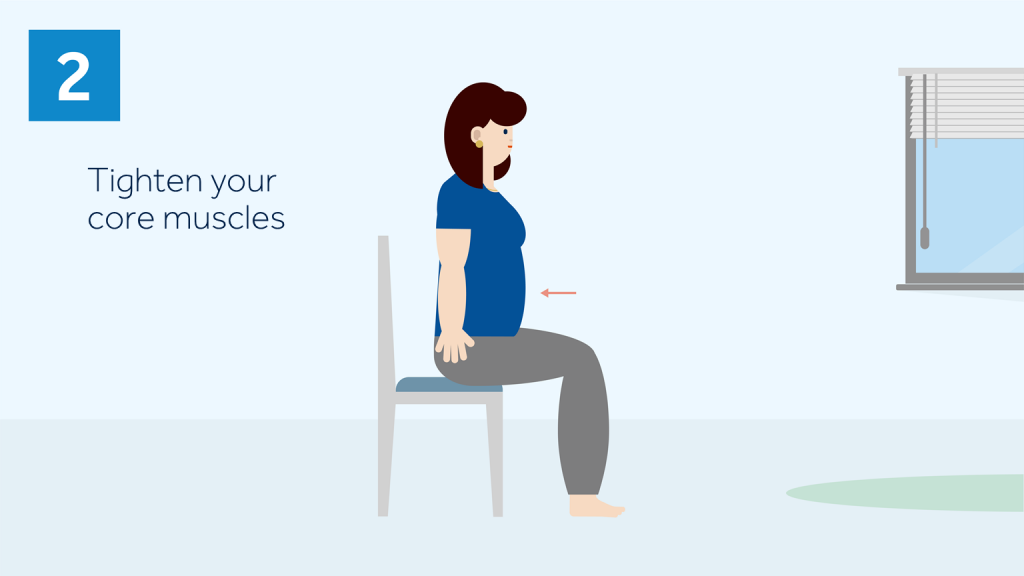
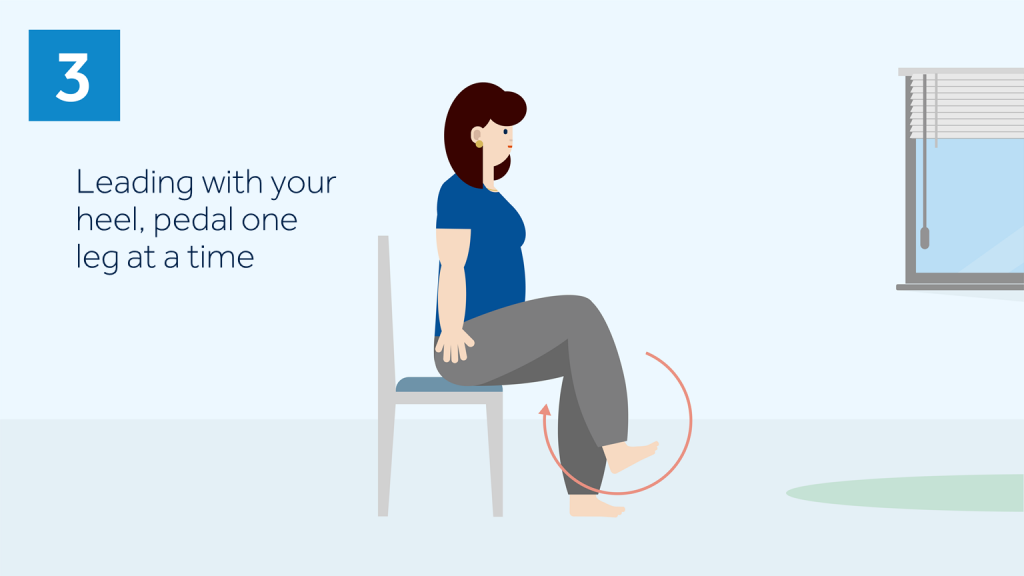
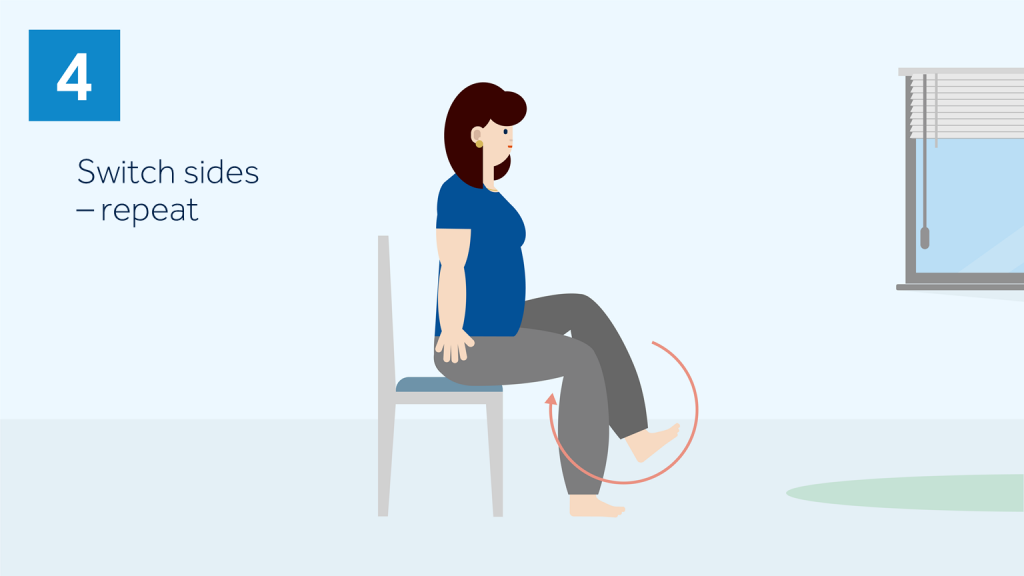
  • Chair padeling: 5 repetitions 

Categories
SMS - Baria

SMS – Baria-E-099 My daily activity program – phase 2

Welcome to your daily activity program!

Here’s a daily activity regimen for you to follow over the next few weeks.

Make sure you continue to stay active and perform your daily activities. Reduce your sitting time and change positions at least once every hour.


Mobilisation and strength

Mobilisation and strength exercises are crucial for maintaining your ability to move. Increasing strength also means your muscles require more energy (burn more calories), which supports your weight loss goal. You will find a description of each exercise here. 

  • Shoulder rolls: 5 repetitions  

  • Calf raises: 5 repetitions 

  • Ankle rolls: 5 repetitions

  • Chair march: 5 repetitions 

Categories
SMS - Baria

SMS – Baria-E-066 Micro-nutrient adherence

Introduction to nutrient intake

Bariatric surgery can dramatically alter your body’s ability to absorb vitamins, minerals and other nutrients. Additionally, the small portions of food you’ll be eating provide far less of these compounds than before surgery. Vitamin and mineral deficiencies can have serious medical implications.

That’s why it’s essential to take your prescribed nutritional supplements daily for the rest of your life. Your health care team will prescribe supplements suitable to your needs.

As your follow-up progresses, your health care team will conduct regular blood tests to check for nutritional deficiencies. The following are some of the most common deficiencies. If you neglect to take your supplements, you will be at a higher risk of developing some of the resulting symptoms.


  • Iron

This is one of the most common deficiencies. Iron is found in red meat and in small amounts in other foods, such as eggs, beans, nuts, apricots, beetroot and spinach. Women regularly lose iron during menstruation. Your health care team will probably prescribe 80-120 mg of iron per day.

Symptoms of iron deficiency include:

  • Fatigue
  • Irritability
  • Anaemia – blood tests can detect early warning signs by measuring the body’s iron store levels (ferritin concentration)

Severe iron deficiency and anaemia causes, defects to develop in the structure and function of the tongue, nails, mouth and stomach. The skin may appear pale, and the inside of the lower eyelids may appear pink instead of red. Fingernails become thin and flat, and eventually spoon-shaped. The tongue may burn and/or appear red, smooth and waxy. Extreme cases of untreated anaemia can result in heart failure.


  • Vitamin B1 (Thiamine)

Vitamin B1 is a very important nutrient after bariatric surgery. Its role is to promote the oxidative metabolism of glucose –that is the body’s ability to use carbohydrates as energy.

A deficiency of vitamin B1 can appear in connection with severe vomiting or when glucose is perfused, leading to a shortage of glucose in the nervous system. Under these circumstances, the neurological symptoms may be severe. If vomiting persists for more than 12 hours, call your health care team.


  • Vitamin D

Vitamin D deficiency is very common before surgery and often increases after any type of bariatric surgery. Vitamin D is important for bone health and is increasingly recognised as responsible for muscle malfunction. Lack of vitamin D may lead to decreased bone density (osteopenia and osteoporosis) and sometimes fractures. Other consequences of vitamin D deficiency include muscle weakness and fatigue, leading to falls among the elderly.


  • Vitamin B12 (Cobalamin)

A severe vitamin B12 deficiency can cause neurological disorders ranging from cognitive impairment and depression to incontinence and nerve damage. The damage caused by vitamin B12 deficiency cannot always be reversed by taking additional B12 supplements. It is important to regularly monitor B12 in the blood and to prevent deficiencies.

Symptoms of vitamin B12 deficiency include numbness, tingling and burning in the feet as well as stiffness and general weakness in the legs. Anaemia is common, and early signs can be detected with blood tests. It may take 5 or 6 years for deficiency symptoms to appear after natural sources of the vitamin are restricted.


  • Calcium

Calcium is essential for the proper functioning of many organs. The most significant consequence of calcium deficiency is its impact on bone health (osteoporosis, reduction of bone density and sometimes bone fractures). About 1000-1500 mg of calcium are required every day.

Tetany – This condition is caused by extremely low levels of calcium in the blood, increasing the irritability of nerve fibres and nerve centres and resulting in muscle spasms such as leg cramps.


  • Vitamin B9 (Folic acid)

Folic acid is important for red blood cell formation and healthy cell growth and function. During early pregnancy, folic acid is critical for reducing the risk of birth defects in the brain and spine. The recommended daily amount for adults is 400 mcg. Adult women who are planning a pregnancy or are pregnant should take 400 to 800 mcg of folic acid a day.

The symptoms of folic acid deficiency are often subtle. They include:

  • Fatigue
  • Grey hair
  • Mouth sores
  • Tongue swelling
  • Growth problems


  • Magnesium

Magnesium is a mineral that helps:

  • Maintain normal nerve and muscle function
  • Support a healthy immune system
  • Keep the heartbeat steady
  • Bones remain strong
  • Regulate blood glucose levels and aid in protein synthesis

Magnesium deficiency causes noticeable negative symptoms including muscle aches or spasms, poor digestion, anxiety, and trouble sleeping.

You will need to have your vitamin and mineral levels checked periodically. If in doubt about your nutrient requirements, deficiency symptoms or blood tests, don’t hesitate to contact your health care team.

Categories
SMS - Baria

SMS – Baria-E-063 FAQ upon returning home

Back home: what now?

Bariatric surgery is a major physical undertaking. When you return home after surgery, you will need to take special care of yourself and follow some strict guidelines. Here are answers to some frequently asked questions you will undoubtedly have about your return home after surgery.

FAQs on life at home after bariatric surgery


  • Will I lose my hair?

During the phase of rapid weight loss, calorie intake is much less than the body needs, and protein intake is marginal. You may also experience some vitamin and mineral deficiencies, such as iron, zinc or vitamin B. Your body reacts to this deprivation in various ways, and hair thinning or hair loss is a common side effect. This is a transient effect and resolves itself when nutrition and weight stabilise. Hair loss usually occurs anywhere from 3 to 9 months after surgery. Don’t worry. You can help minimise the loss of hair by taking your prescribed nutritional supplements daily and making sure to consume at least 60 grams of protein every day.


  • Why do I have to quit smoking or using tobacco after surgery?

Smoking – including cigarettes, e-cigarettes and chewing tobacco –causes decreased blood supply to your body’s tissues, which will delay healing. Additionally, smoking increases the risk of ulceration in the gastric pouch, harms every organ in the body and is linked to blood clots, marginal ulcers after gastric bypass, stroke and many other conditions. That is why it is best to refrain from smoking after surgery. Perhaps, this can be an opportunity for you to kick the habit for good.


  • Can I drink alcohol after surgery? 

Ideally you should stop Alcohol altogether. Alcohol contains calories but minimal nutrition and will work against your weight loss goal. It may also cause ‘dumping syndrome’. Furthermore, alcohol causes gastric irritation and can cause liver damage.

The absorption of alcohol changes after bariatric surgery because an enzyme in the stomach that usually starts the alcohol digestion process is absent or greatly reduced. Alcohol may also be absorbed more quickly into the body after bariatric surgery. Therefore, the level of alcohol in your blood may be very high, even though you consume small amounts. If you’re a driver, this could expose you to traffic violations or car accidents.

For all of these reasons, it is recommended to avoid alcohol after bariatric surgery.


  • Can I become pregnant after surgery?

You may start planning a pregnancy after your weight loss stabilises, but it is imperative not to become pregnant during the first 12–24 months after your surgery (follow the recommendations of your health care team). This is to protect the health and safety of both you and your baby. Once your pregnancy is planned, go for a health check to have your vitamin and mineral levels assessed and to learn how to optimise your nutrient intake.


  • Do I need to follow a strict nutritional programme?

Initially it is extremely important to follow to the letter the nutrition programme that your health care team prescribes at discharge to avoid leakage and other complications. A lifelong healthy diet and nutrition is the cornerstone of weight maintenance. Consolidating these changes will help to streamline your life without the need to follow strict difficult-to-follow programmes.


  • Do I need to adjust my sleeping habits after bariatric surgery?

A healthy sleep pattern (or ‘sleep hygiene’) is one of the keys to successful weight management. Standard sleep guidelines recommend that you get 7 to 9 hours of sleep every night.

A regular bedtime routine is not just for kids. Adults also benefit from regular bedtimes and from getting enough sleep. Inadequate sleep has been identified as a contributing factor to weight gain and diabetes.

Tips for getting a better night’s sleep:

  • Go to bed and wake up at the same times every day, also at weekends. This helps regulate your body clock and may help you fall asleep faster and sleep through the night.
  • Practise a relaxing bedtime ritual right before bedtime, away from bright lights. This helps separate your sleep time from activities that can cause excitement, stress or anxiety, which can make it more difficult to fall asleep, get a sound and deep sleep, or sleep through the night.
  • If you have trouble sleeping, avoid naps, especially in the afternoon.
  • Exercise daily: exercise at any time of day, but not at the expense of your sleep.
  • Evaluate your room. Design your sleep environment to establish the ideal conditions for sleep. Your bedroom should be cool and free from any light. Check your room for noises or other distractions. Consider using blackout curtains, eye shades, ear plugs, ‘white noise’ machines, humidifiers, fans and etc. Anything you need to make your sleep as comfortable as possible.
  • Sleep on a comfortable mattress and pillows.
  • Avoid alcohol, cigarettes, and heavy meals late in the evening because they can disrupt sleep.
  • Wind down: your body needs time to shift into sleep mode, so spend the last hour before bed doing a calming activity like reading. For some people, using an electronic device such as a laptop can make it harder to fall asleep, because the light emanating from the screen activates the brain. If you have trouble sleeping, avoid electronics before bed or in the middle of the night.
  • If you’re still having trouble sleeping, don’t hesitate to speak with your health care team.


  • What are some typical risks after bariatric surgery?

Typical risks associated with anaesthesia and bariatric surgery include:

  • Vomiting from eating too much too quickly and not chewing well
  • Constipation
  • Nutritional deficiencies such as anaemia and osteoporosis
  • Excess skin


As with any surgery, wound infections can occur up to 3 weeks after surgery. These can be treated with antibiotics. However, sometimes additional surgery may be required.


What are some common post-surgical complications?

  • Hernia
  • Ulcerations of the surgical wound
  • Dehydration
  • Thrush/yeast infections
  • Constipation
  • Fatigue
  • Anaemia
  • Nausea


What are the rare post-surgical complications?

  • Hypoglycaemia
  • Diarrhoea
  • Vomiting
  • Breathlessness

Speak to your health care team if you experience any of the above symptoms.


  • Could my teeth be damaged as a result of my surgery?

Yes, dental erosion, dental caries and dental hypersensitivity can occur after bariatric surgery.

To prevent these issues, it’s very important to brush your teeth after every meal.


  • What can I use for pain management?

Although there will always be some discomfort after an operation, keeping your pain under control is necessary for your recovery. When you are comfortable, you are better able to take part in activities such as walking, deep breathing and coughing, all of which are vital for a quick recovery.

Plan ahead for pain. If you are comfortable lying down, you may still need a pain medication to get up and walk around. Don’t wait for the pain to be at its worst. Pain medication works best when used to prevent pain. Take it according to the directions of your health care team.


  • Can I take my regular medication?

If you were taking medication before surgery (for example for diabetes or hypertension), your healthcare team will tell you if you need to adjust your prescription or dosage after surgery.


  • Can I stop using my CPAP machine?

While sleep apnoea can improve with weight loss, it is important to continue your  therapy. You should discuss the appropriateness of adjusting your sleep apnoea (check “my condition/definition”) therapy with your doctor before making any modifications.

According to some studies, about 50–75% of bariatric surgery patients experience some improvement in their sleep apnoea.


  • How do I best treat my scars?

The size of the scars depends on the type of procedure (open versus laparoscopic), the sutures used and how your body heals. There are things you can do to help make scars less visible, should this be a concern. Once your incisions are fully healed, you may start using silicone pads and scar minimising creams to make the scars look softer, smoother, flatter and closer to your natural skin colour. It is also important to protect fresh scars from sunlight to give them time to heal properly
 

Categories
SMS - Baria

SMS – Baria-E-064 Primary post-surgery concerns


Even though we do not expect you to have any serious problems after your surgery, you may experience some symptoms that need to be addressed immediately. If you experience any of the following symptoms, contact your health care team right away:

  • Accelerated heart rate above 120 bpm
  • Fever of 38° or higher
  • Redness, swelling, increased pain and/or pus-like drainage from your wound
  • Chest pain and/or shortness of breath
  • Nausea and/or vomiting that lasts for more than 12 hours
  • Pain, redness and/or swelling in your legs
  • Urine output less than four times in 24 hours
  • Pain that is unrelieved by pain medication

Normal symptoms and when to be alert

  • Moderate swelling and bruising are normal after any surgery
  • Mild to moderate discomfort or pain
  • Numbness – small sensory nerves to the skin are occasionally cut when the incision is made or are interrupted by undermining of the skin during surgery. The sensation usually returns within 2 to 3 months as the nerve endings heal

– Note: Be especially careful not to burn yourself when applying heating pads to the area that may have some postoperative numbness

  • Itching – itching and occasional small shooting electrical sensations within the skin frequently occur as the nerve endings heal. These symptoms are common during the recovery period

– Note: Ice, skin moisturisers, vitamin E oil and massage can help

  • Redness of scars – all new scars are red, dark pink or purple. The scars take about one year to fade

– Note: We recommend that you protect your scars from the sun for a year after your surgery. Even through a bathing suit, a good deal of sunlight can reach the skin and cause damage. Wear a sunscreen with a skin-protection factor (SPF) of at least 15 when out in sunny weather.

Categories
SMS - Baria

SMS – Baria-E-065 Medication adherence

Anti-reflux drugs

After surgery, your health care team will prescribe anti-reflux drugs for at least three months. This medication prevents sub-optimal healing, gastric reflux, and, if you had a gastric bypass, it prevents anastomotic ulcers. After three months, your health care team will evaluate, on the basis of your symptoms and the procedure you underwent, whether you need to continue to take these drugs.

Gallstone prevention

If you still have your gallbladder, your health care team may prescribe ursodeoxycholic acid for six months to prevent gallstone formation. Unfortunately, this medication is not subsidized, and the cost could be prohibitive. Starting the prescribed diet well before surgery to avoid rapid weight loss immediately after surgery, keeping well hydrated, and making sure to stimulate the gall bladder with small amounts of cream and butter every now and then in your food could help to prevent stagnation and eventual stone formation.

If you have diabetes

On the days following your procedure, you will not be eating much, and your diabetes treatment will therefore be adapted to your blood glucose. Typically, insulin doses are reduced by at least half and oral drugs are only taken if necessary. Our bariatric physician will plan your pre- and post-operative diabetic management, but we also advised regular check-ups with your endocrinologist after surgery to determine if and how your diabetes treatment should be adapted over the long term.

It is important to stop taking newer oral anti-diabetic medication (flozin’s), SGLT2, about 3 days prior to surgery. To prevent a dangerous reaction, your surgery may be postpended if the medication stoppage is overlooked.

If you take diuretics

If you took diuretics before surgery, you would need to refrain after surgery because you will be drinking much less, and there is a high risk of dehydration. Your health care team will tell you what to do about diuretics.

All your routine medications will be reviewed before surgery by our bariatric physician and a management plan will be drawn up. Your heart and blood thinning medication are very important and need to be carefully reviewed prior to surgery.

If you use a CPAP

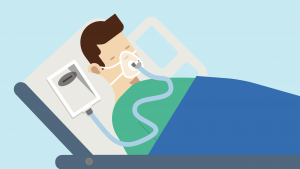
Remember to bring your CPAP (continuous positive airway pressure) device with you to the clinic when you check in for surgery. You will need it on the night before surgery and for several weeks afterwards. Later, after you have lost significant weight, your health care team will evaluate whether you need to continue to use it.

Categories
SMS - Baria

SMS – Baria-E-067 Sleep apnea


Sleep apnea

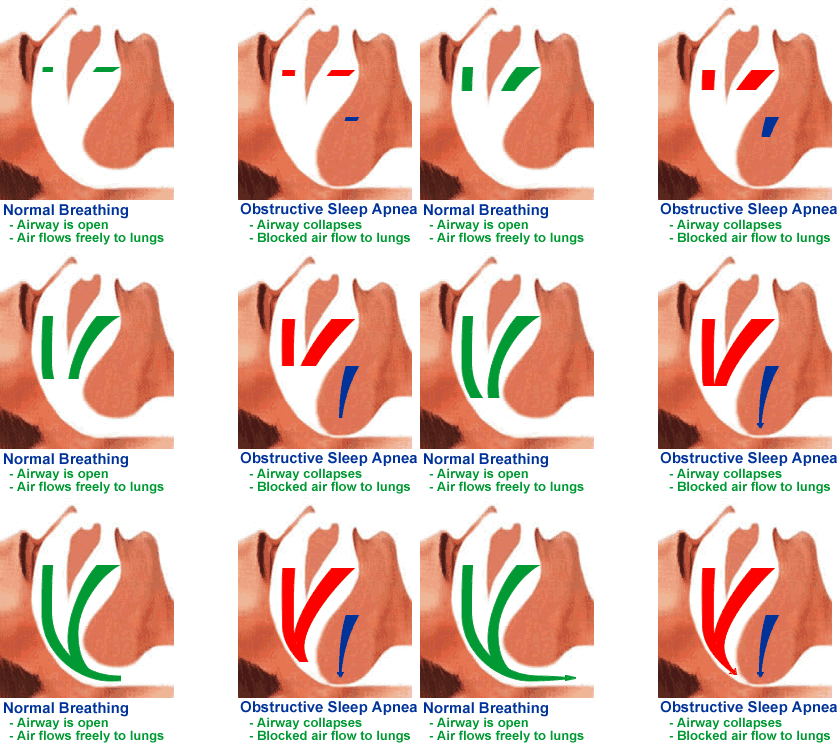
Obstructive sleep apnea (OSA), or simply sleep apnea, is a sleep disorder in which breathing is briefly and repeatedly interrupted during sleep. “Apnea” refers to a pause in breathing that lasts for at least ten seconds. It occurs when the muscles in the back of the throat fail to keep the airway open, despite efforts to breathe.


Sleep apnea can cause fragmented sleep and low blood oxygen levels. For people with sleep apnea, the combination of disturbed sleep and oxygen starvation may lead to hypertension, heart disease and mood and memory issues. Sleep apnea also increases the risk of drowsiness while driving.


There are two types of breathing interruption characteristic to sleep apnea:

  • Apnea: This is where the muscles and soft tissues in the throat relax and collapse enough to cause a total blockage of the airway. When the airflow is blocked for 10 seconds or more, this is considered apnea.
  • Hypopnea: This is a partial blockage of the airway resulting in an airflow reduction of greater than 50% for 10 seconds or more.


Obesity and sleep apnea

It is estimated that 80% of people living with obesity, particularly men, have sleep apnea. However, millions are unaware of their symptoms and may misinterpret them as something else.
Studies have been done on how bariatric surgery impacts sleep apnea. Patients on a waitlist for bariatric surgery showed a tendency towards severe sleep apnea. One year after successful surgery, the patients’ obstructive index dropped from severe to moderate.


CPAP therapy

CPAP therapy is the most common and effective treatment for sleep apnea. If you have sleep apnea, proper treatment is important to reduce complications during your hospital stay. Start your CPAP therapy as soon as possible to get a more restful sleep, have more energy during the day and improve your surgery outcome. If you used a CPAP before surgery, you will find that less pressure is required after weight loss, as there is less restriction of the airway.

It is possible to lose enough weight to eliminate the need for CPAP therapy, however, this is not the norm. Once you have reached your post-bariatric surgery weight loss goal, a repeat sleep study should be conducted to assess the severity of your sleep apnea and whether you still need to use a CPAP.

The first treatment option for sleep apnea is CPAP therapy.