Back home: what now?
Bariatric surgery is a major physical undertaking. When you return home after surgery, you will need to take special care of yourself and follow some strict guidelines. Here are answers to some frequently asked questions you will undoubtedly have about your return home after surgery.

FAQs on life at home after bariatric surgery
During the phase of rapid weight loss, calorie intake is much less than the body needs, and protein intake is marginal. You may also experience some vitamin and mineral deficiencies, such as iron, zinc or vitamin B. Your body reacts to this deprivation in various ways, and hair thinning or hair loss is a common side effect. This is a transient effect and resolves itself when nutrition and weight stabilise. Hair loss usually occurs anywhere from 3 to 9 months after surgery. Don’t worry. You can help minimise the loss of hair by taking your prescribed nutritional supplements daily and making sure to consume at least 60 grams of protein every day.
- Why do I have to quit smoking or using tobacco after surgery?
Smoking – including cigarettes, e-cigarettes and chewing tobacco –causes decreased blood supply to your body’s tissues, which will delay healing. Additionally, smoking increases the risk of ulceration in the gastric pouch, harms every organ in the body and is linked to blood clots, marginal ulcers after gastric bypass, stroke and many other conditions. That is why it is best to refrain from smoking after surgery. Perhaps, this can be an opportunity for you to kick the habit for good.
- Can I drink alcohol after surgery?
Ideally you should stop Alcohol altogether. Alcohol contains calories but minimal nutrition and will work against your weight loss goal. It may also cause ‘dumping syndrome’. Furthermore, alcohol causes gastric irritation and can cause liver damage.
The absorption of alcohol changes after bariatric surgery because an enzyme in the stomach that usually starts the alcohol digestion process is absent or greatly reduced. Alcohol may also be absorbed more quickly into the body after bariatric surgery. Therefore, the level of alcohol in your blood may be very high, even though you consume small amounts. If you’re a driver, this could expose you to traffic violations or car accidents.
For all of these reasons, it is recommended to avoid alcohol after bariatric surgery.
- Can I become pregnant after surgery?
You may start planning a pregnancy after your weight loss stabilises, but it is imperative not to become pregnant during the first 12–24 months after your surgery (follow the recommendations of your health care team). This is to protect the health and safety of both you and your baby. Once your pregnancy is planned, go for a health check to have your vitamin and mineral levels assessed and to learn how to optimise your nutrient intake.
- Do I need to follow a strict nutritional programme?
Initially it is extremely important to follow to the letter the nutrition programme that your health care team prescribes at discharge to avoid leakage and other complications. A lifelong healthy diet and nutrition is the cornerstone of weight maintenance. Consolidating these changes will help to streamline your life without the need to follow strict difficult-to-follow programmes.
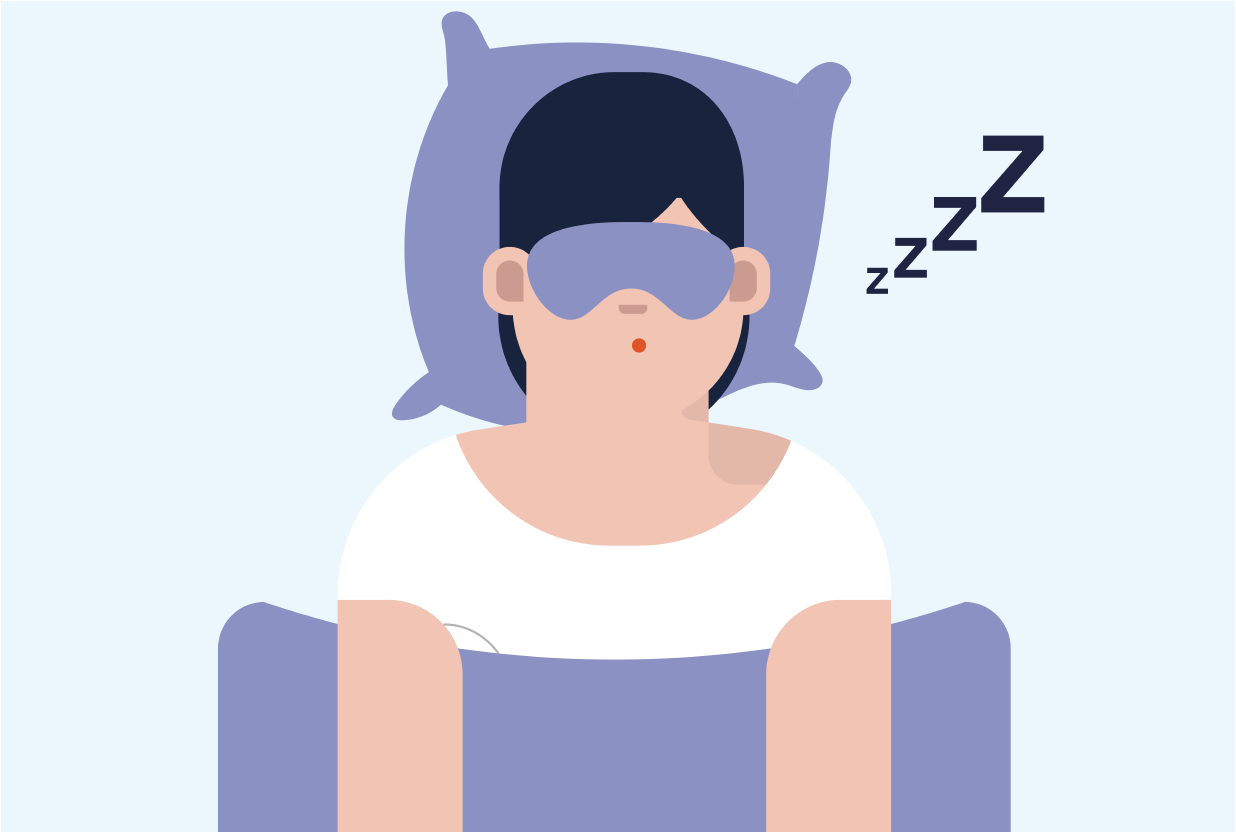
- Do I need to adjust my sleeping habits after bariatric surgery?
A healthy sleep pattern (or ‘sleep hygiene’) is one of the keys to successful weight management. Standard sleep guidelines recommend that you get 7 to 9 hours of sleep every night.
A regular bedtime routine is not just for kids. Adults also benefit from regular bedtimes and from getting enough sleep. Inadequate sleep has been identified as a contributing factor to weight gain and diabetes.
Tips for getting a better night’s sleep:
- Go to bed and wake up at the same times every day, also at weekends. This helps regulate your body clock and may help you fall asleep faster and sleep through the night.
- Practise a relaxing bedtime ritual right before bedtime, away from bright lights. This helps separate your sleep time from activities that can cause excitement, stress or anxiety, which can make it more difficult to fall asleep, get a sound and deep sleep, or sleep through the night.
- If you have trouble sleeping, avoid naps, especially in the afternoon.
- Exercise daily: exercise at any time of day, but not at the expense of your sleep.
- Evaluate your room. Design your sleep environment to establish the ideal conditions for sleep. Your bedroom should be cool and free from any light. Check your room for noises or other distractions. Consider using blackout curtains, eye shades, ear plugs, ‘white noise’ machines, humidifiers, fans and etc. Anything you need to make your sleep as comfortable as possible.
- Sleep on a comfortable mattress and pillows.
- Avoid alcohol, cigarettes, and heavy meals late in the evening because they can disrupt sleep.
- Wind down: your body needs time to shift into sleep mode, so spend the last hour before bed doing a calming activity like reading. For some people, using an electronic device such as a laptop can make it harder to fall asleep, because the light emanating from the screen activates the brain. If you have trouble sleeping, avoid electronics before bed or in the middle of the night.
- If you’re still having trouble sleeping, don’t hesitate to speak with your health care team.
- What are some typical risks after bariatric surgery?
Typical risks associated with anaesthesia and bariatric surgery include:
- Vomiting from eating too much too quickly and not chewing well
- Constipation
- Nutritional deficiencies such as anaemia and osteoporosis
- Excess skin
As with any surgery, wound infections can occur up to 3 weeks after surgery. These can be treated with antibiotics. However, sometimes additional surgery may be required.
What are some common post-surgical complications?
- Hernia
- Ulcerations of the surgical wound
- Dehydration
- Thrush/yeast infections
- Constipation
- Fatigue
- Anaemia
- Nausea
What are the rare post-surgical complications?
- Hypoglycaemia
- Diarrhoea
- Vomiting
- Breathlessness
Speak to your health care team if you experience any of the above symptoms.
- Could my teeth be damaged as a result of my surgery?
Yes, dental erosion, dental caries and dental hypersensitivity can occur after bariatric surgery.
To prevent these issues, it’s very important to brush your teeth after every meal.
- What can I use for pain management?
Although there will always be some discomfort after an operation, keeping your pain under control is necessary for your recovery. When you are comfortable, you are better able to take part in activities such as walking, deep breathing and coughing, all of which are vital for a quick recovery.
Plan ahead for pain. If you are comfortable lying down, you may still need a pain medication to get up and walk around. Don’t wait for the pain to be at its worst. Pain medication works best when used to prevent pain. Take it according to the directions of your health care team.
- Can I take my regular medication?
If you were taking medication before surgery (for example for diabetes or hypertension), your healthcare team will tell you if you need to adjust your prescription or dosage after surgery.
- Can I stop using my CPAP machine?
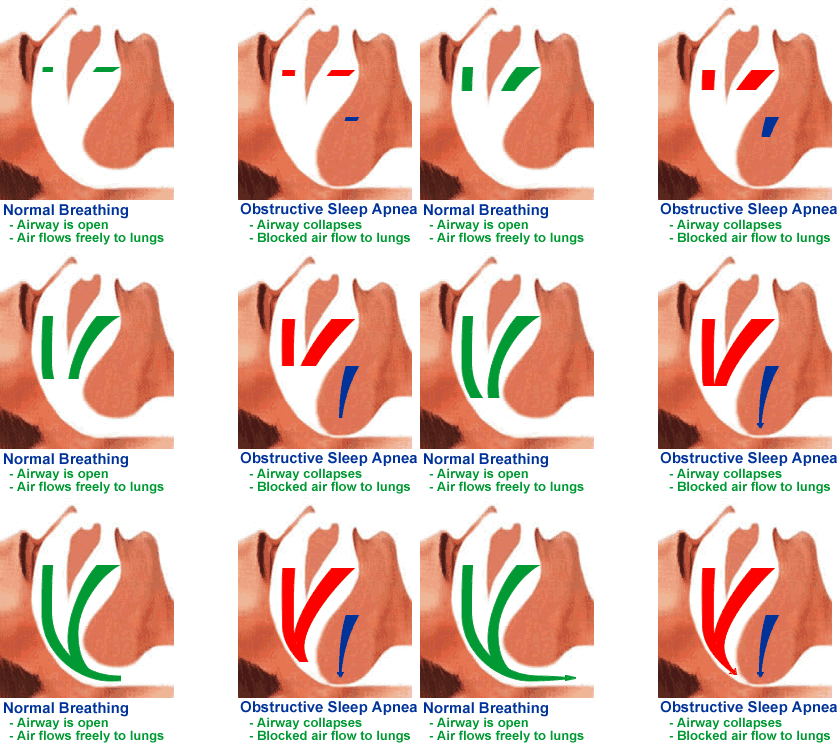
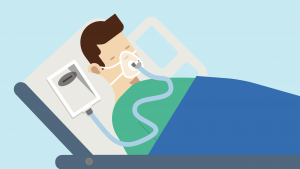
While sleep apnoea can improve with weight loss, it is important to continue your therapy. You should discuss the appropriateness of adjusting your sleep apnoea (check “my condition/definition”) therapy with your doctor before making any modifications.
According to some studies, about 50–75% of bariatric surgery patients experience some improvement in their sleep apnoea.
- How do I best treat my scars?
The size of the scars depends on the type of procedure (open versus laparoscopic), the sutures used and how your body heals. There are things you can do to help make scars less visible, should this be a concern. Once your incisions are fully healed, you may start using silicone pads and scar minimising creams to make the scars look softer, smoother, flatter and closer to your natural skin colour. It is also important to protect fresh scars from sunlight to give them time to heal properly