Categories
SMS - Baria

SMS – Baria-E-100 My daily activity program – phase 3

Welcome to your daily activity program!

Here’s a daily activity regimen for you to follow over the next few weeks.

Make sure you continue to stay active and perform your daily activities. Reduce your sitting time and change positions at least once every hour.


Mobilisation and strength

Mobilisation and strength exercises are crucial for maintaining your ability to move. Increasing strength also means your muscles require more energy (burn more calories), which supports your weight loss goal. You will find a description of each exercise here. 

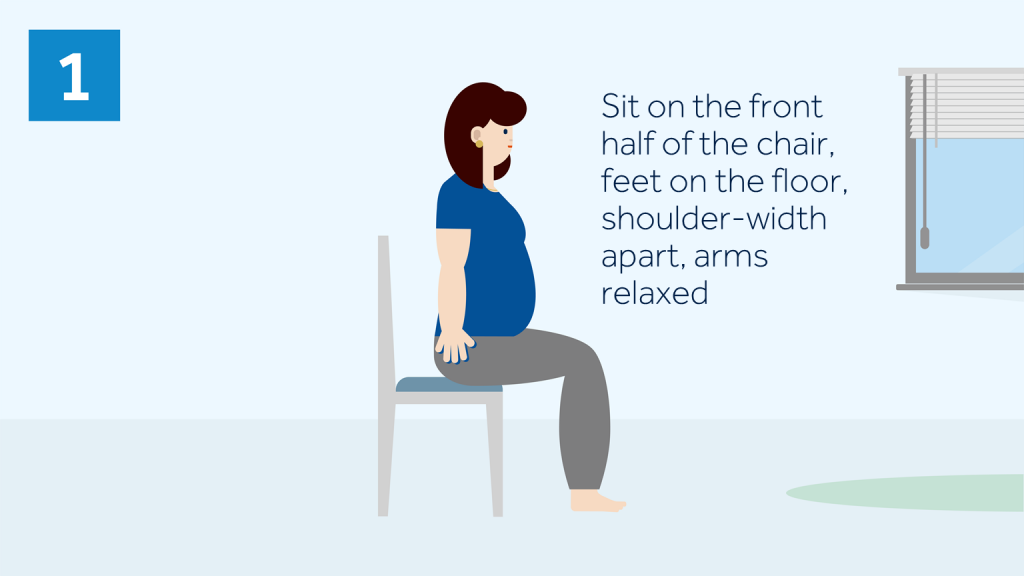
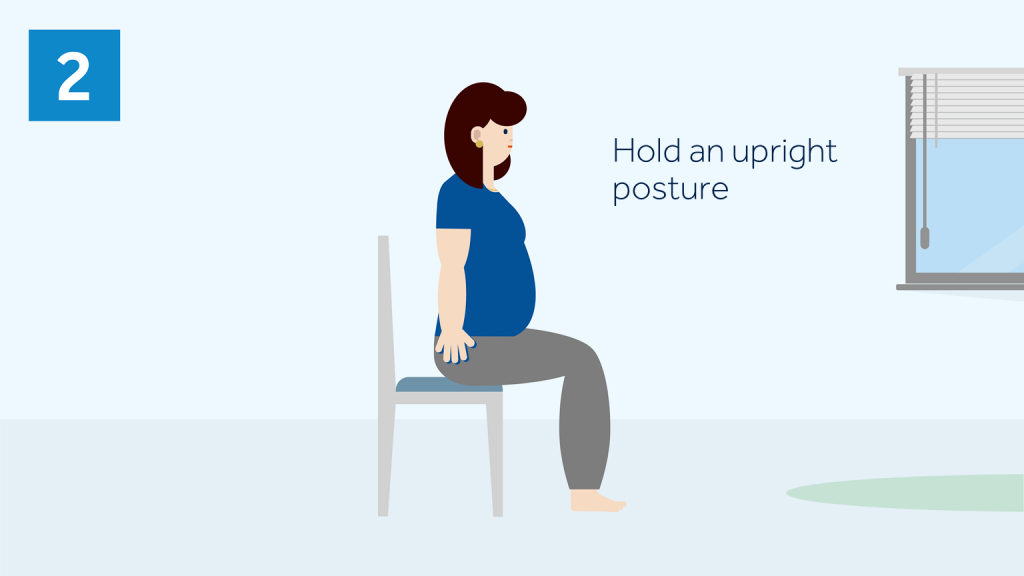
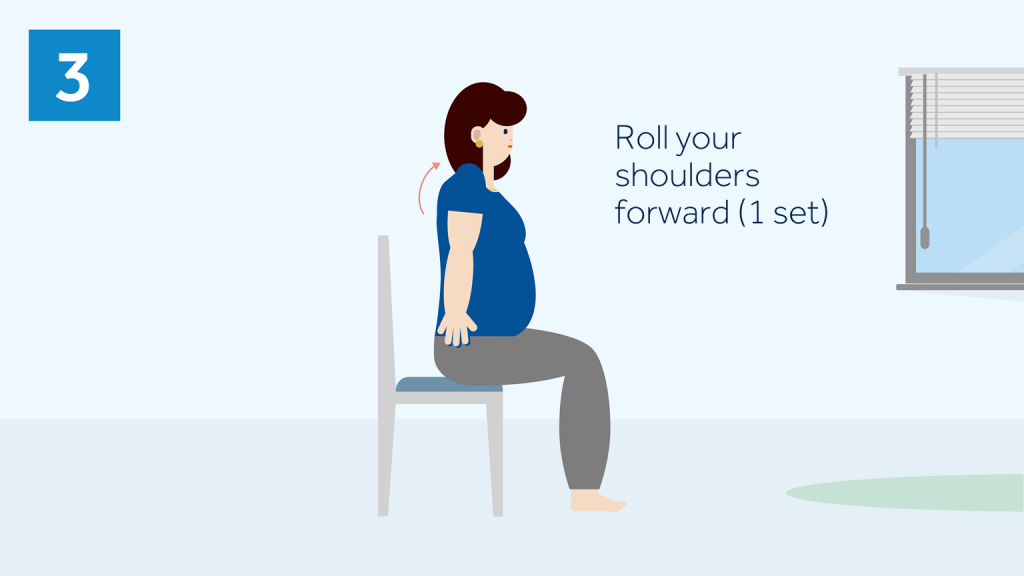
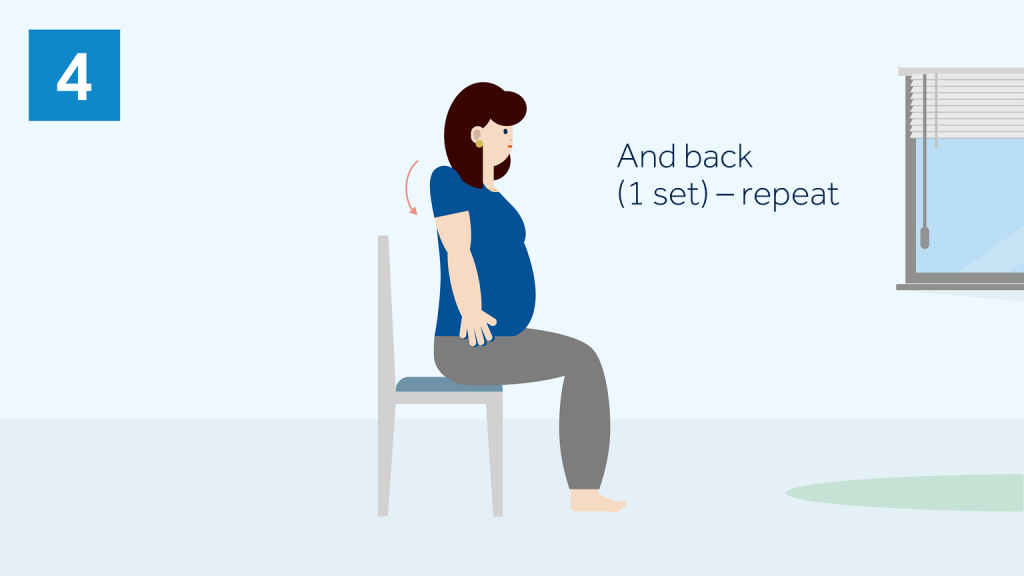
  • Shoulder rolls: 5 repetitions  

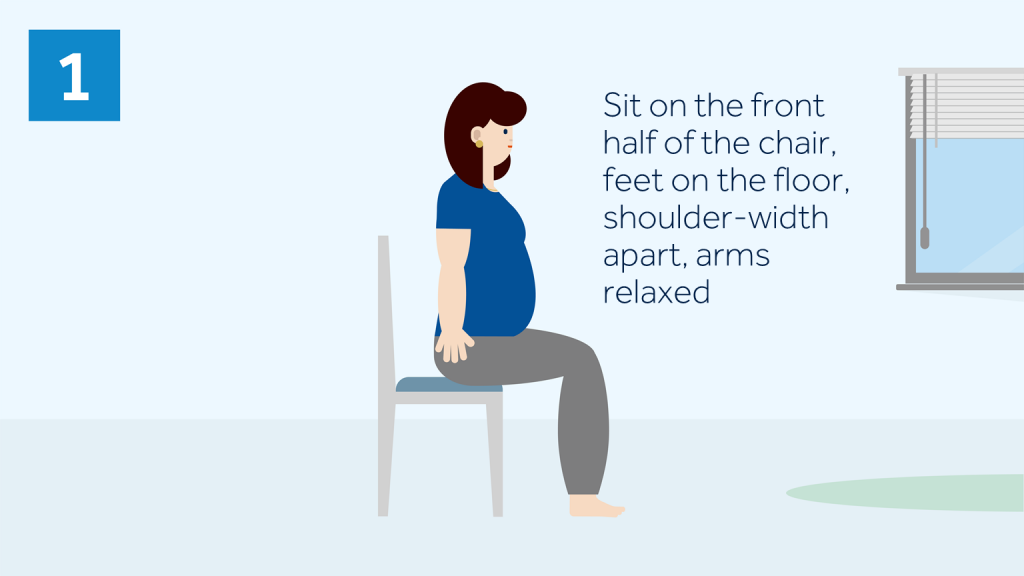
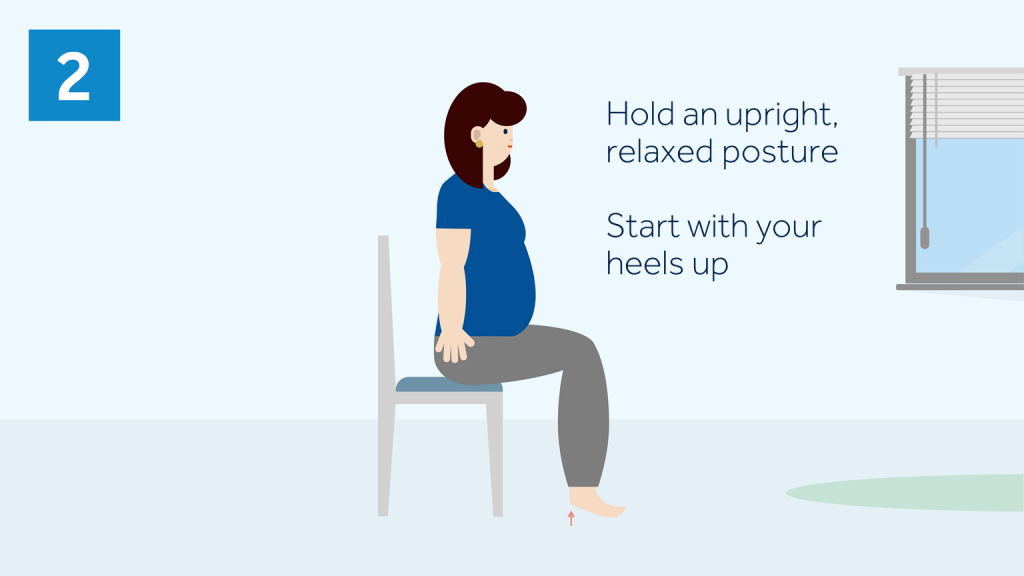
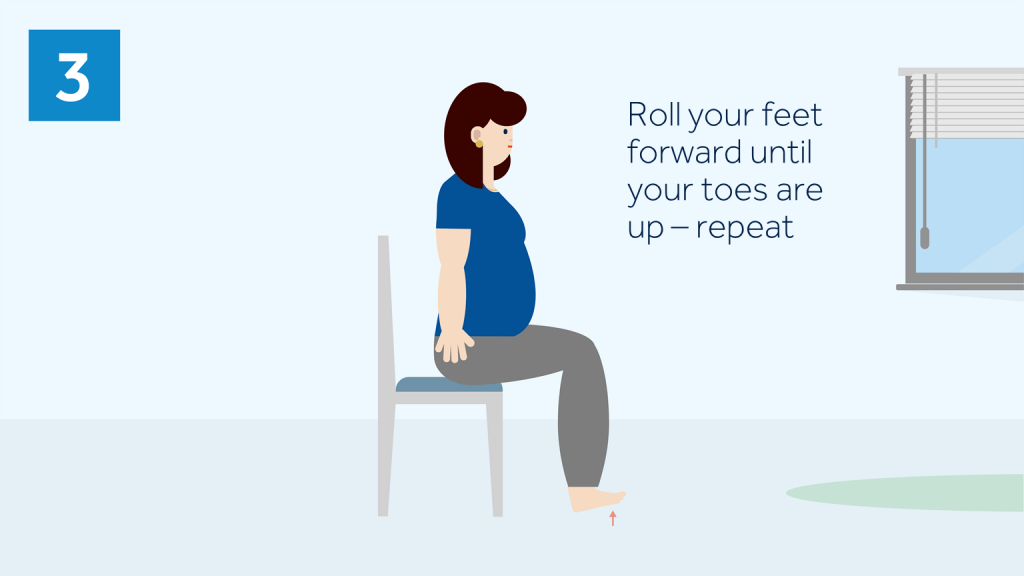
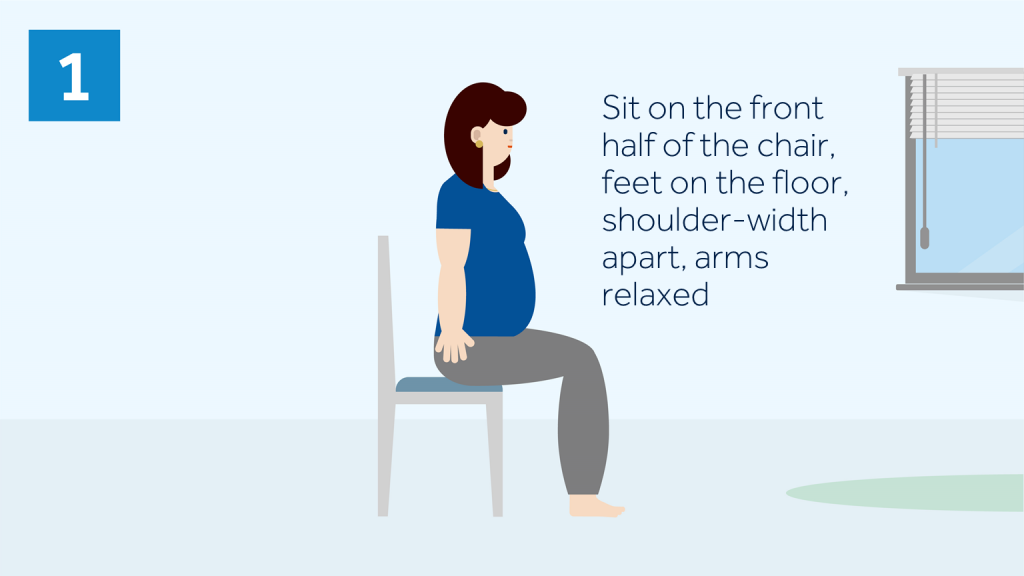
  • Calf raises: 5 repetitions 

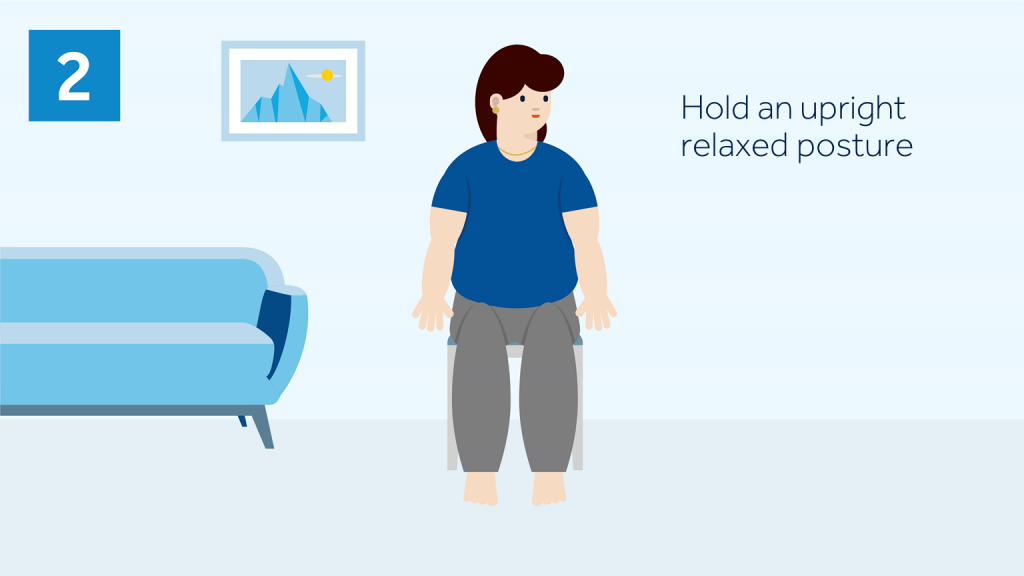
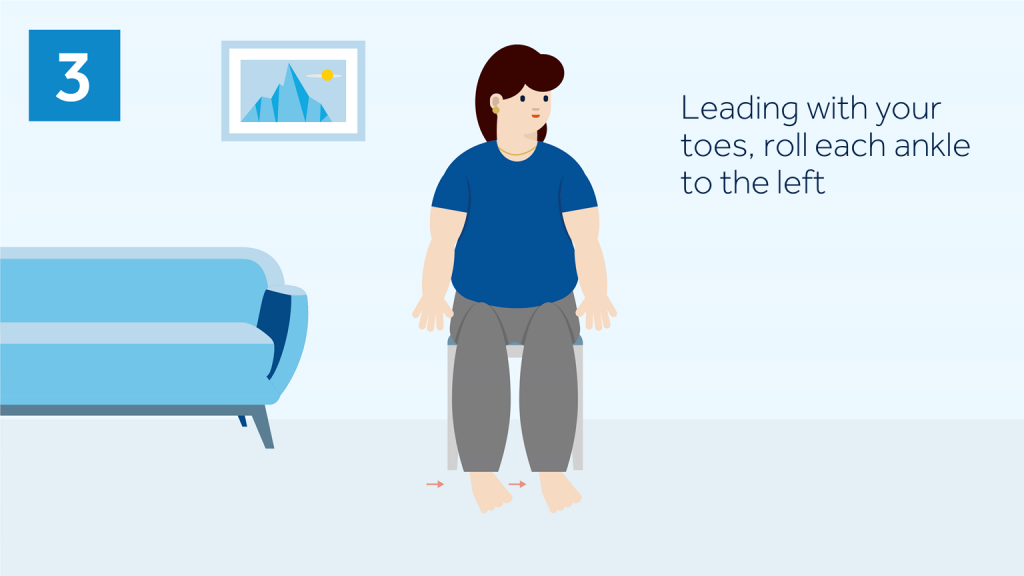
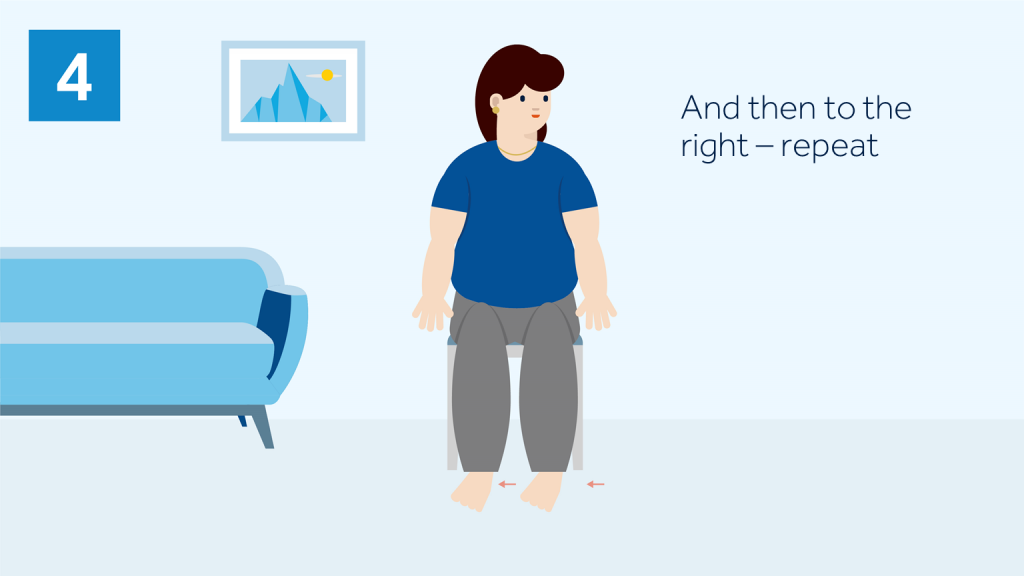
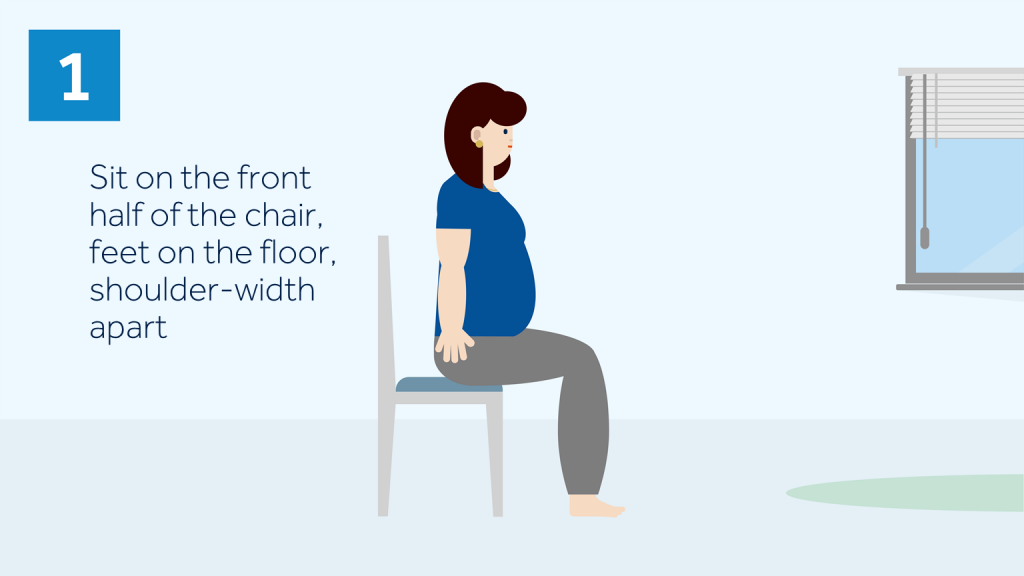
  • Ankle rolls: 5 repetitions

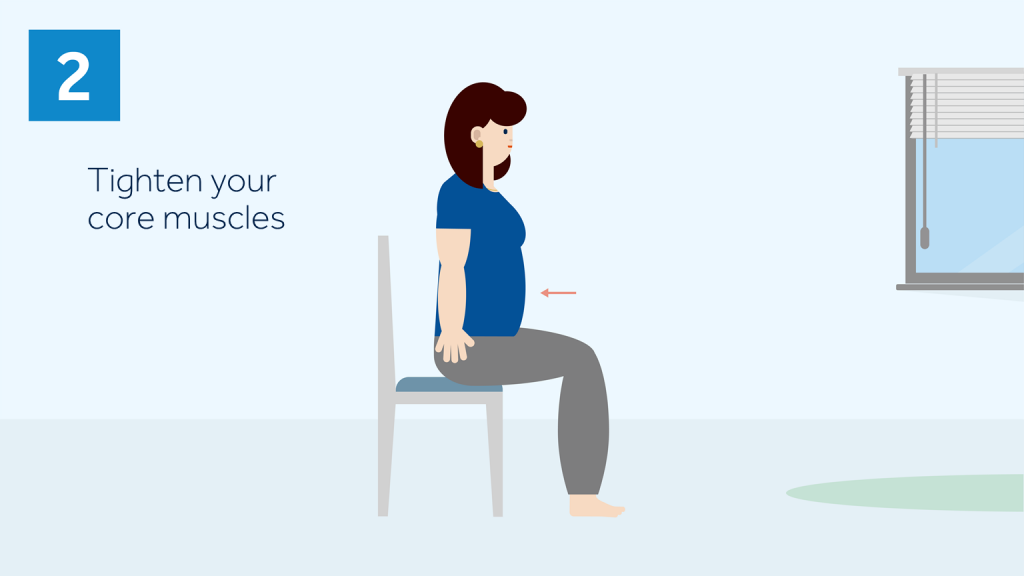
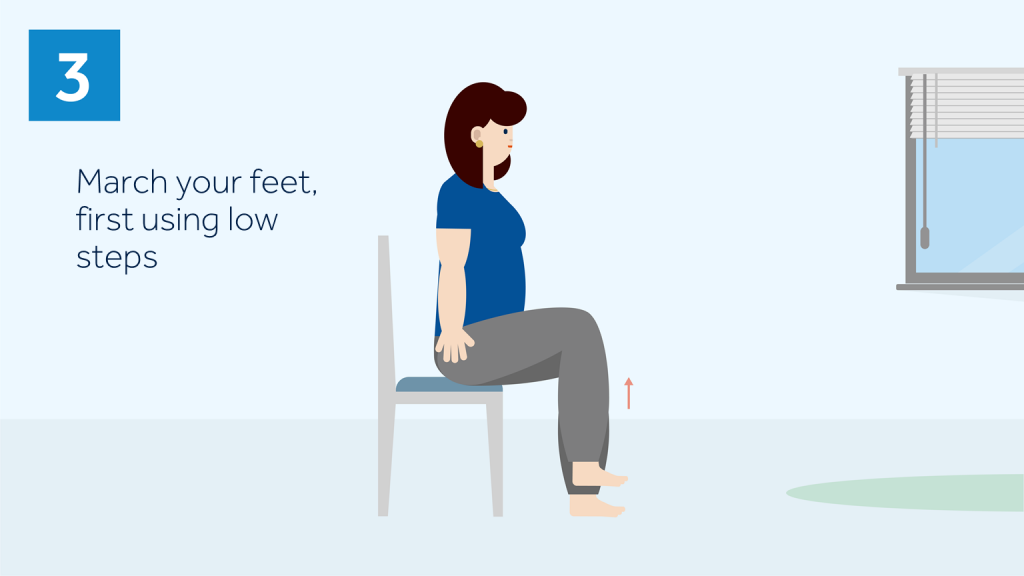
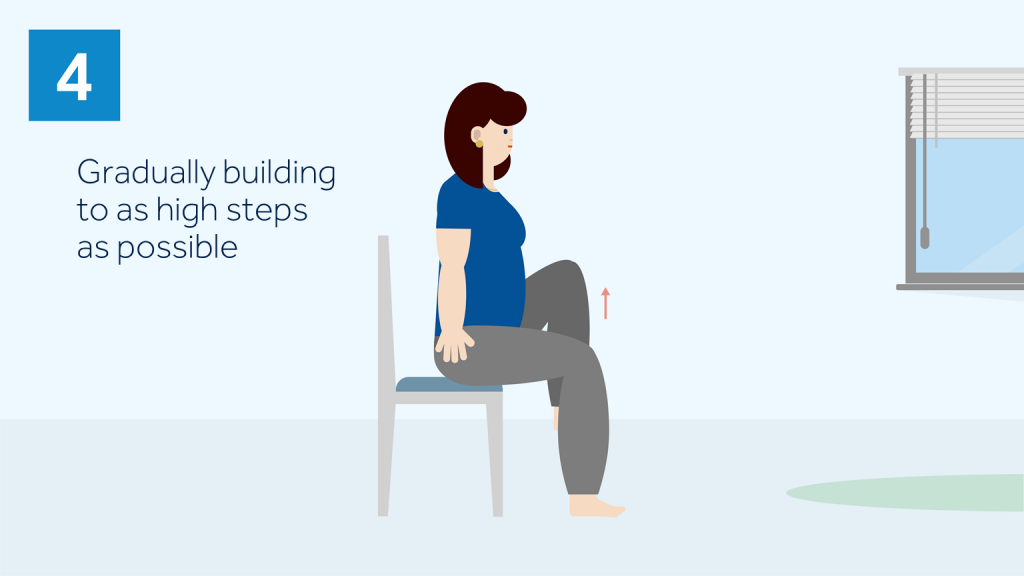
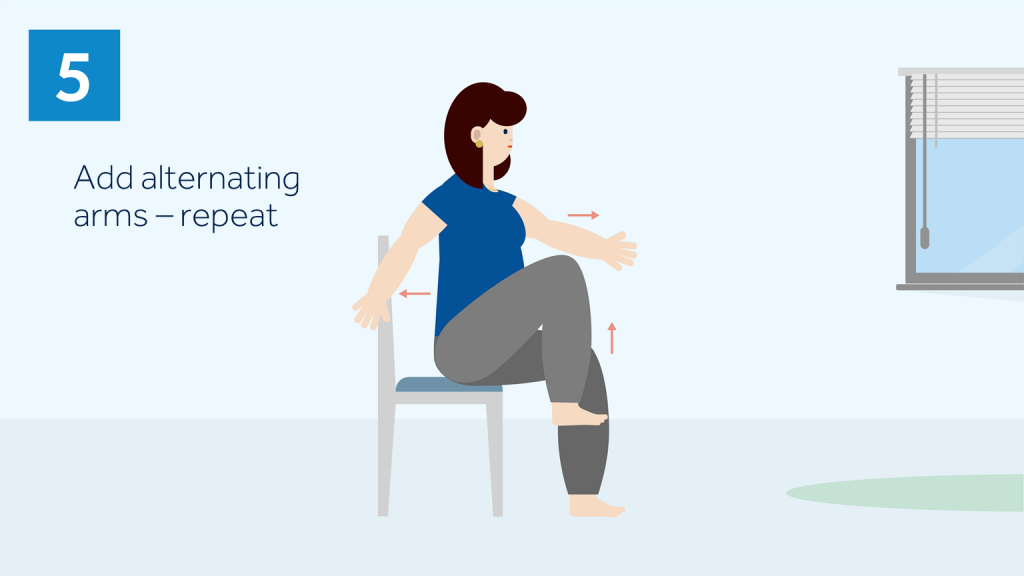
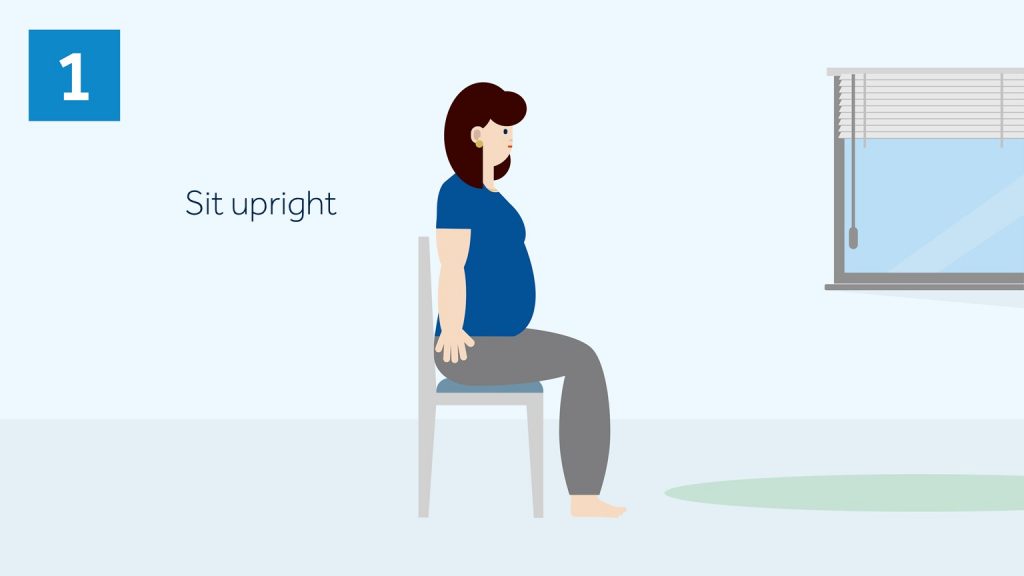
  • Chair march: 5 repetitions 

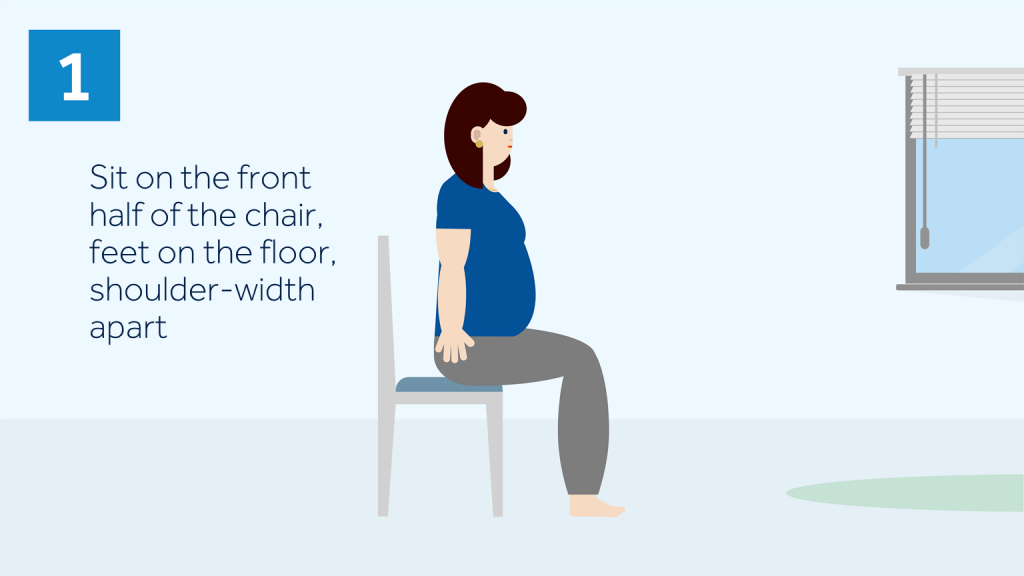
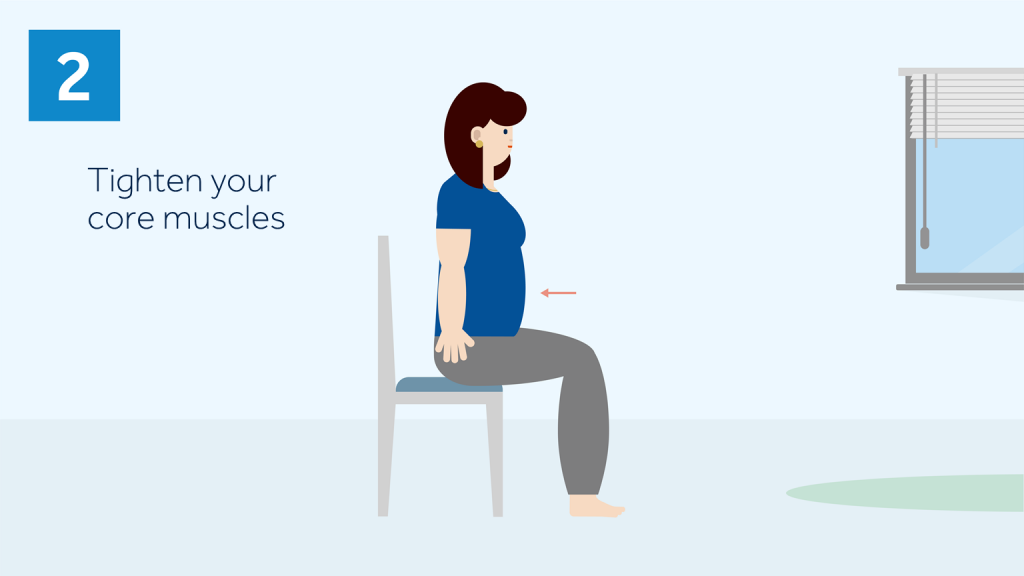
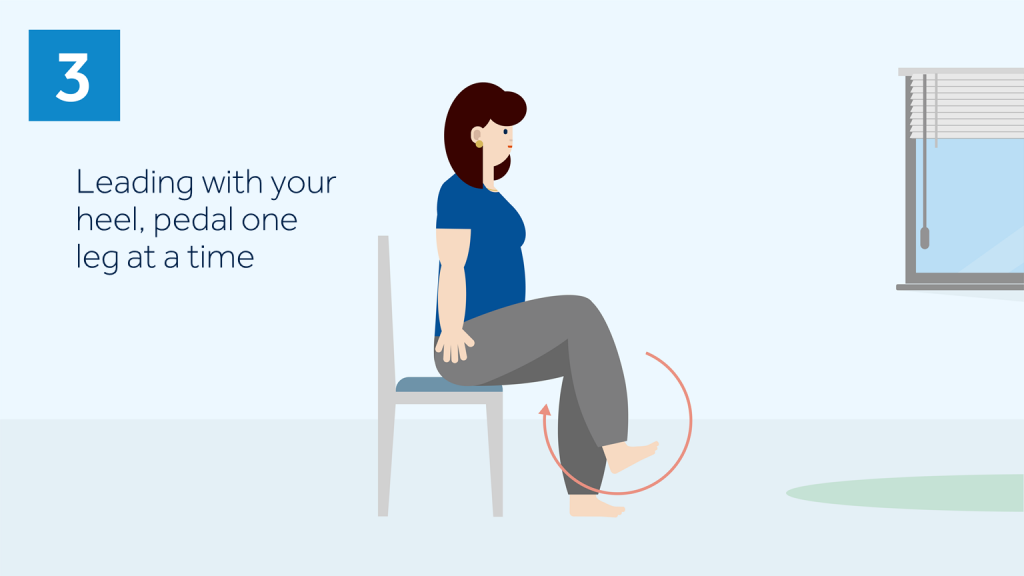
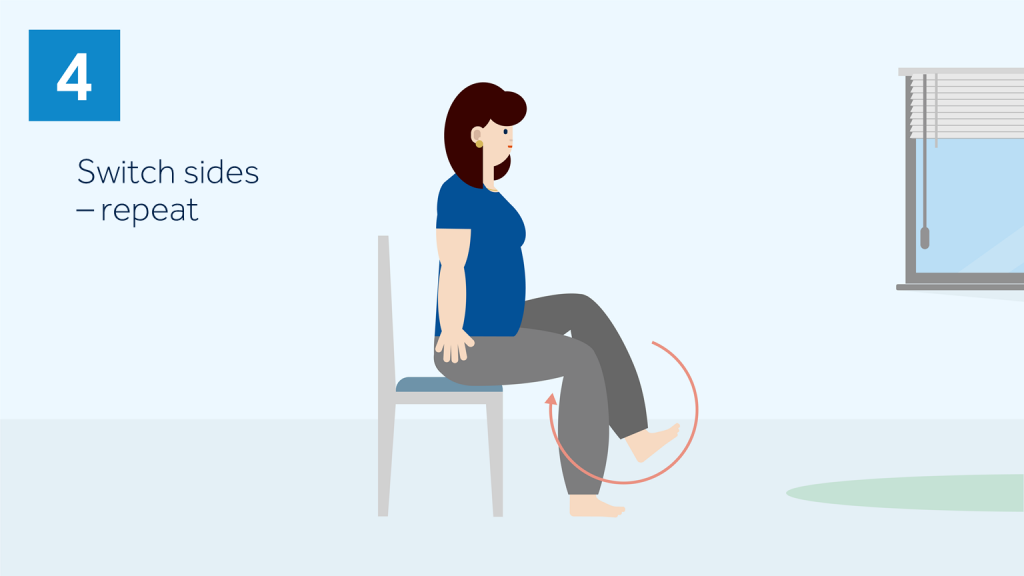
  • Chair padeling: 5 repetitions 

Categories
SMS - Baria

SMS – Baria-E-099 My daily activity program – phase 2

Welcome to your daily activity program!

Here’s a daily activity regimen for you to follow over the next few weeks.

Make sure you continue to stay active and perform your daily activities. Reduce your sitting time and change positions at least once every hour.


Mobilisation and strength

Mobilisation and strength exercises are crucial for maintaining your ability to move. Increasing strength also means your muscles require more energy (burn more calories), which supports your weight loss goal. You will find a description of each exercise here. 

  • Shoulder rolls: 5 repetitions  

  • Calf raises: 5 repetitions 

  • Ankle rolls: 5 repetitions

  • Chair march: 5 repetitions 

Categories
SMS - Baria

SMS – Baria-E-096 Dealing with unexpected challenges

How to cope with unexpected events

Unexpected events can have a tremendous impact on both your motivation and your stress level. Being aware of different types of unexpected events and how to perceive a potentially stressful situation as a new opportunity can help.


Here are some tips for coping with unexpected events:


  • Remember that unexpected events can arise at any time and disrupt your exercise routine. Have a backup plan ready for when interruptions occur. Make a date in your diary for your next available exercise session.
  • If your day is packed with events, consider getting up 30 minutes earlier for a walk or workout.
  • Look for opportunities to exercise during your everyday routine – for example, walk to the train station instead of driving, take the stairs instead of the lift, or take a walk at lunchtime.
  • Always have a good variety of exercises ready. Have an indoor routine ready if the weather makes you want to go back to bed. Always have some exercises on hand that you can do anywhere.


Here is a list of common unexpected events and how to incorporate exercise into your life despite them:


Injury: With an injury, you will most likely need to set new goals for the short term. Make recovery, not exercise, your first priority. Gentle exercise like walking, mobilisation or swimming may be possible. Follow the guidance of your health care team for how to keep fit while recovering.


Holiday: Take advantage of the local facilities. Some hotels have swimming pools, tennis courts or gyms. If you’re holidaying at the beach, take a daily swim. Tour on foot – walking is one of the best ways to see the sights and is a great aerobic and weight-bearing exercise.


Business commitments: Exercise at your desk. Perform mobilisation exercises and regularly change your position. Take a break from your desk and walk the stairs every now and then. If you move more, you sit less and generally feel better.


Bad weather: Adapt your routine or brave the elements. Head to your local swimming pool or gym, or do at-home exercises, such as exercise videos. There are lots of great exercise apps available featuring indoor exercises.

Categories
SMS - Baria

SMS – Baria-E-094 Tips for staying motivated

  1. Learn to pay attention to how you feel while doing an activity rather than focusing on the activity itself. Observe what’s going on around you – notice the sky, the people, the sounds, etc. This will help keep you focus in the moment and make it easier to notice when you start improving.
    1. How do you feel when you’re active and engaged?
    2. How do you feel after you’ve exercised?
    3. Was yesterday’s exercise session easier? Did you feel more or less tired?
  2. Give yourself positive reinforcement. Remind yourself how good it feels to be outdoors or to be active. Acknowledge when you’ve overcome a moment of demotivation and done your exercise routine anyway. Note how good it feels to achieve your goal – especially after coming so close to giving up on it today.
  1. Remember that physical activity improves your mood, relieves stress, and helps fight sadness and depression. If your motivation is lagging because you’re feeling blue, remind yourself how good you feel after exercising.
  2. Reward yourself – each time you’ve reached your goal for the day, treat yourself to something you really enjoy like a long, hot shower or the next episode in your favourite TV series. Over time, exercising will become the reward – and after a long day working at the computer, you’ll find yourself looking forward to your reward in the form of a walk in the park.
Categories
SMS - Baria

SMS – Baria-E-090 Basic principles of physical activity

Why are the basic principles so important?

Regardless of your physical condition, it’s important to apply basic principles of exercise to your activities. These principles can help you avoid injury, achieve a steady progression, and stay motivated.


Adapt your activity to your present condition

Remember that you don’t need to perform like an elite athlete – all you need to do is increase your heart rate for a little while. Jogging, for instance, is generally not recommended for bariatric surgery patients as it can cause stress on the knees and joints. Instead, go for a brisk walk and try to keep your heart rate elevated as long as possible.

Always try to adapt your level of physical activity to your current condition. For example, if you’re having a day in which walking is painful or uncomfortable, try doing isotonic exercises instead. Isotonic exercises are any movement where the body is lifting, pushing and/or pulling some weight. They include bicep curls, triceps extensions, squats, chest presses, shoulder presses, leg presses, etc.

If you experience joint pain that prevents you from walking daily, you may want to try aquatic therapy. Water exercises are not weight bearing, which makes them ideal for people with joint problems. If swimming is not your style, strive to replace sedentary activities with some other type of physical activity.


Tips to remember

Regularity: Try to do some form of exercise every day – even if it’s only a little. Listen to your body and respect your limits, but make sure to do some type of movement. Soon you will see progress – from day to day and week to week.

Individuality: Try not to compare yourself to others. You are unique with your own goals to achieve. Focus on those and you will begin to see improvement and build confidence.

Progression: Gradually increasing your level of activity over time stimulates adaptation and boosts your confidence in your exercise routine.

Categories
SMS - Baria

SMS – Baria-E-088 Exercising after surgery

After surgery

After your surgery it is important that you increase your activity levels slowly over time. The following highlights the important elements:

1 day to 3 weeks post-op

Immediately after surgery your body will be in recovery mode. Light mobilisation exercises are recommended for the first week. During this phase, the goal is to keep your joints lubricated and your muscles active to retain muscle mass. Daily walking and breathing exercises are also recommended. Focus on listening to your body and gradually progressing your activity level.

Remember to follow the suggestions of your health care team.


3 weeks to 6 months post-op

During this time, you will begin incorporating some strength training activities. Continue to focus on your breathing and listen to your body. Gradually increase your activity level over time. The goal is to reach and maintain a good basic physical condition.

By the end of this phase, you will hopefully feel like your exercise routine has become your best friend. You will want to spend some time with it every day and you will miss it if, for some reason, you are not able to exercise one day.


The rest of your life

This is reinforcement time – time to let your exercise routine take over. You will learn about the importance of varying your routine to keep it interesting and motivating with different activities like swimming, golfing, rowing or other activities you never knew you were going to love. You will also learn about the possibility of joining different exercise groups, so you can mix some social activity into your routine.

Categories
SMS - Baria

SMS – Baria-E-087 Physical activity and your weight loss surgery journey

Introduction to physical activity
Now that your bariatric assessments are complete, and your health care team has approved you for exercise, let’s take a look at the physical activity programme recommended for you.


The benefits of exercise

Regular physical activity is beneficial for your whole body. When you exercise, you use the energy that comes from the nutrients you consume. Movement provokes metabolic changes in your body. Your heart works harder, improving your cardiorespiratory and muscular fitness for the long term. Daily movement nurtures your joints and ensures healthy bone density.

Exercise also stimulates the secretion of endorphins in the brain –hormones that make you feel happier and more relaxed, reduce depression and anxiety, and can make you feel better about yourself. Exercise can also be a great way to socialise and can help you sleep better.

Once you get into the habit of exercising, you will also notice all of your daily activities become easier and you will become more and more inspired and motivated to become fitter and healthier.


When should you begin exercising?

The sooner you start exercising, the easier your recovery will be after surgery. Evidence shows that consistent physical activity, both before and after surgery, is the most important predictor of long-term and sustainable weight loss.   


Get going with your patient engagement programme

Your patient engagement programme will help you get started by introducing you to the basics of different types of exercise, intensity levels, how to execute exercises and more. You’ll learn more about why and how to exercise and how to make it fun. The goal is to keep you motivated and focused on being physically active, even just a little bit, every day – both before and after your surgery.

Incorporating more movement and activity into your daily routine doesn’t have to mean going to the gym every day – although it could. It could also mean walking more, playing with your children – and simply swapping sedentary activities like watching TV with more active endeavours like hiking in the woods.

It may be difficult at first, but the sooner you incorporate more movement into your life, the more confident you will be about your ability to adopt a more active lifestyle. Remember that an active lifestyle must be combined with a healthy and balanced diet to achieve your weight loss goals.


Exercise before surgery
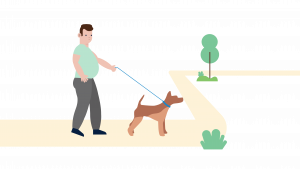
The main objective before surgery is to begin moving, if you haven’t already. Start slowly and build up little by little. Don’t overdo it and don’t be discouraged if you can’t achieve much in the beginning. Even if you can only walk briskly for 5 minutes – that’s a start. Tomorrow, try for 6 minutes. It’s important to listen to your body and build up your energy and ability over time. After a few weeks, you may be able to walk for 20 minutes.

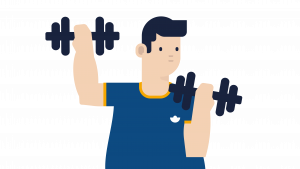
You will be able to feel your muscles more prominently. Perhaps you can add some strength training exercises. Pick up some light weights and do a few bicep curls. During this period, try building up an awareness of what is happening in your body while it is in motion. Pay attention to your breathing and focus on deep inhales and exhales. This is also great for your recovery process.

Better physical condition before surgery helps:

  • Reduce surgical complications and facilitate healing and your postoperative recovery
  • Set you up for success with adopting a healthy post-surgery lifestyle; the more movement you do before surgery, the easier it will be after the surgery
  • Tone your muscles to reduce the impact of loose skin and help regenerate connective tissue
 

Categories
SMS - Baria

SMS – Baria-E-085 My physical activity for the long run

Maintaining physical fitness and setting goals for long-term fitness.

Introduction to the long-term follow-up

Around 6 months after your surgery, you should be stronger, more confident and capable of maintaining a robust exercise programme. You should be at a point now where you can really challenge your endurance level and push yourself to achieve more every time you work out.


Your main challenge at this stage may be the temptation to fall into old habits. Studies show that many bariatric surgery patients after 6 months are sitting up to 9 hours a day again and are only walking 60% of the daily steps recommended by the World Health Organization (WHO). Now that you’ve successfully lost some weight, it may be tempting to eat some of the same foods you did before your surgery and trying to eat as you used to when you’re out with friends and family.


It’s important to remember everything you’ve learned on your journey so far and to stick to the diet and exercise programme your health care team has prescribed. Even though you’ve achieved a lot so far, you still have a way to go to transform your new behaviours into sustainable lifestyle change.

Maintaining your fitness level

If you’ve stuck to the programme so far, you’ve built up a strong exercise regimen based on endurance and general strength. Well done! As your follow-up programme progresses, it’s important to find ways to vary your exercise routine and zero in on those activities you enjoy most. This will keep you motivated over the long run. You can also use health monitors, pedometers or exercise apps to track your progress and keep things interesting.


Remember to work on building endurance with aerobic activity to help maintain your body weight. Strength training also continues to be important, so feel free to add free weights, callisthenics or yoga, which can also build strength. Interval training such as cardio fitness, boot camp or cross-fit can also be good at this stage (as long as you don’t have any cardiovascular issues). Keep in mind, it’s best to start these activities under the guidance of a professional trainer.


At this stage in your follow-up, the most important thing is that your exercise is fun. Take a dance class, push your kids on the swing or try something completely new. If you prefer social activities, join a walking or rowing club. Take up a sport the whole family can play. If you haven’t found your favourite activities yet, let’s have a look at a few.


Categories
SMS - Baria

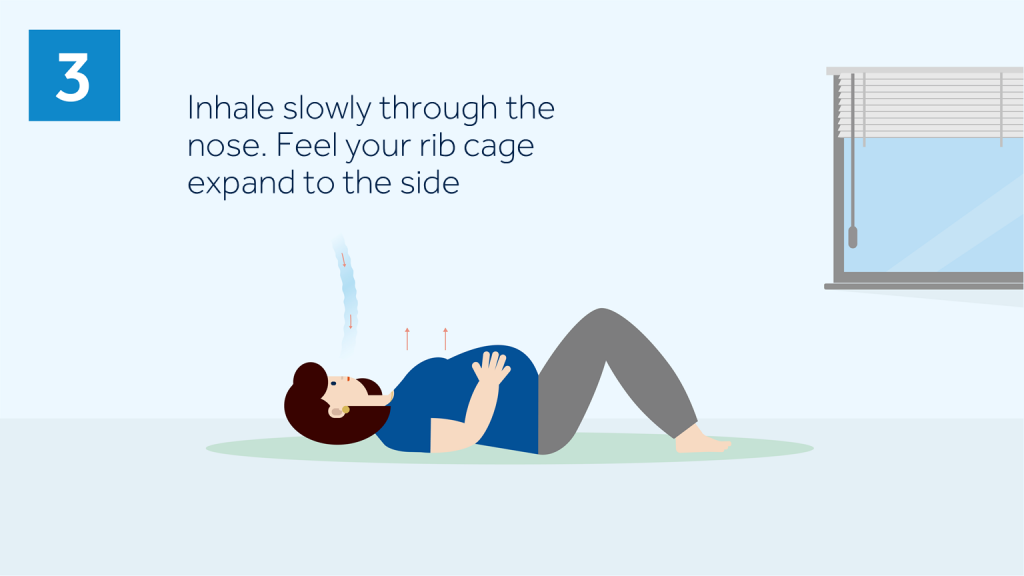
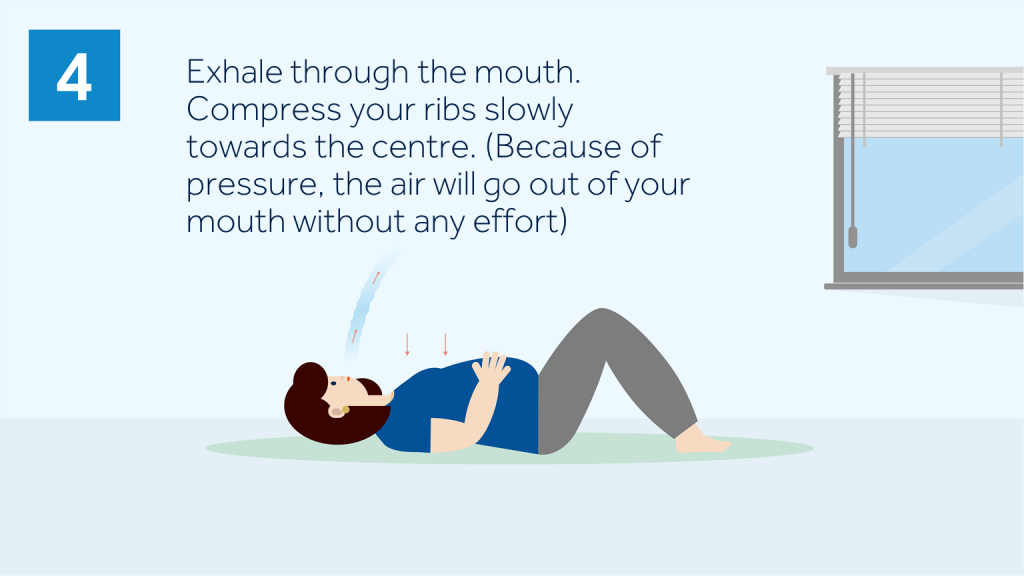
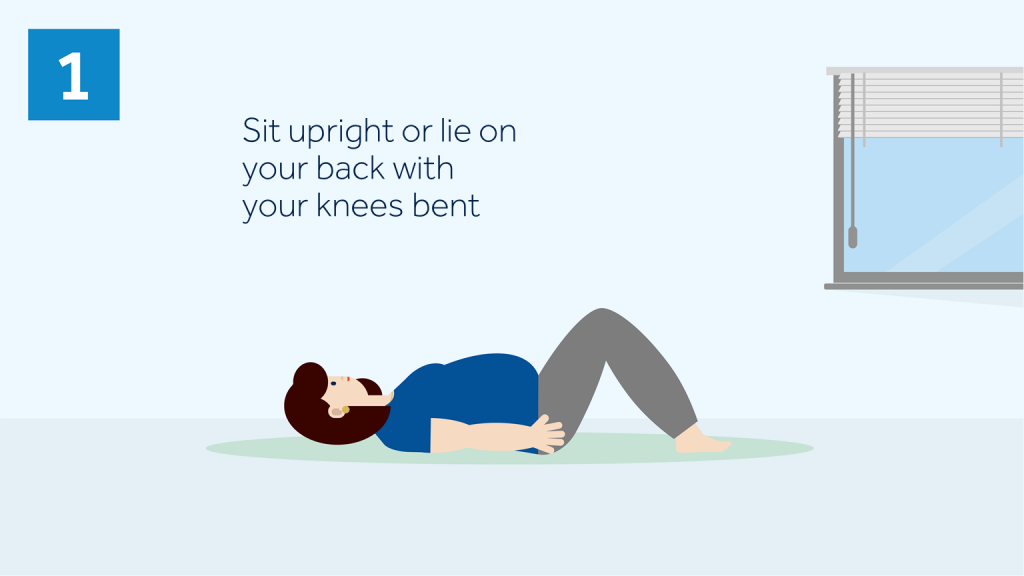
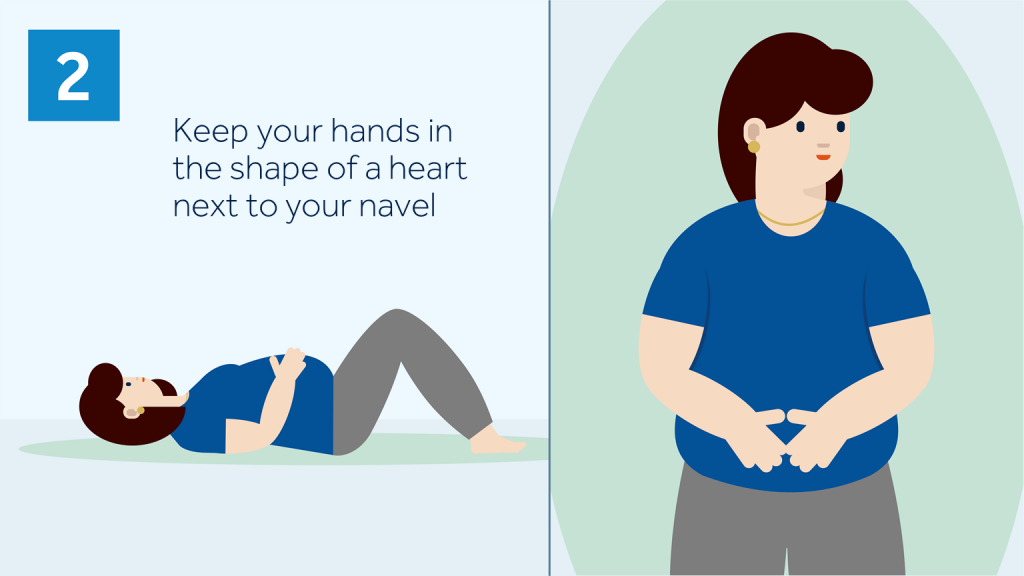
SMS – Baria-E-084 Breathing before surgery

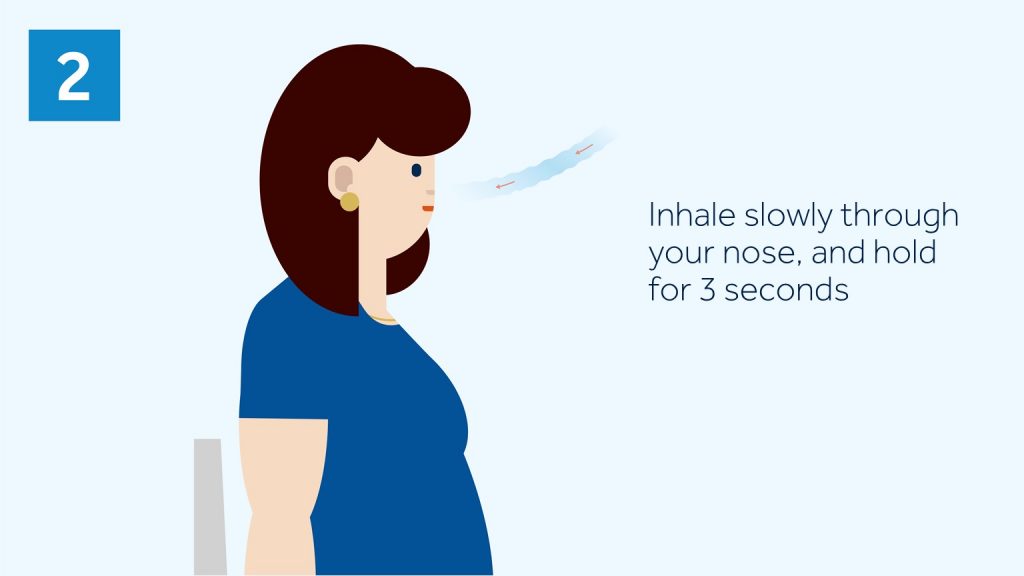
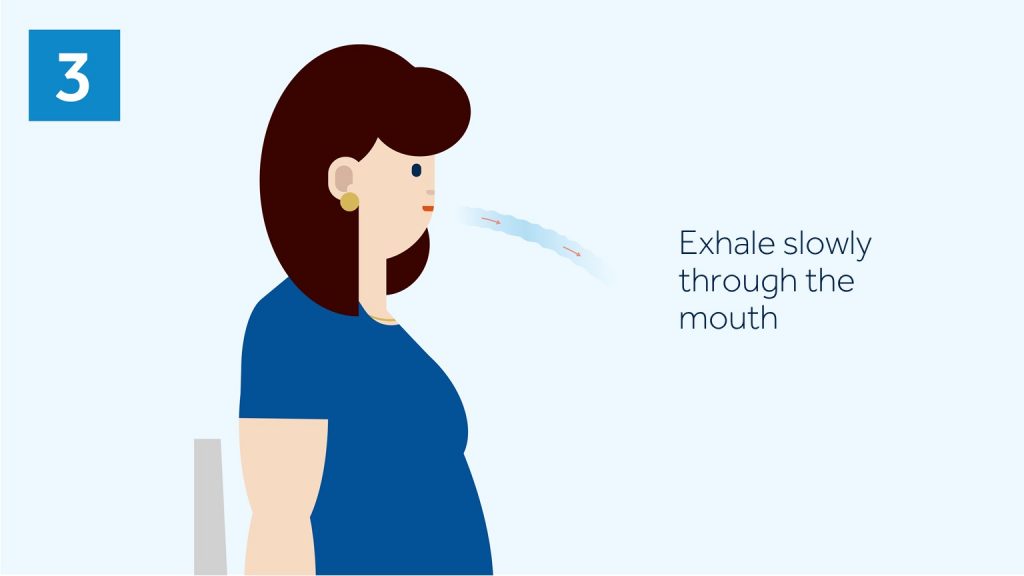
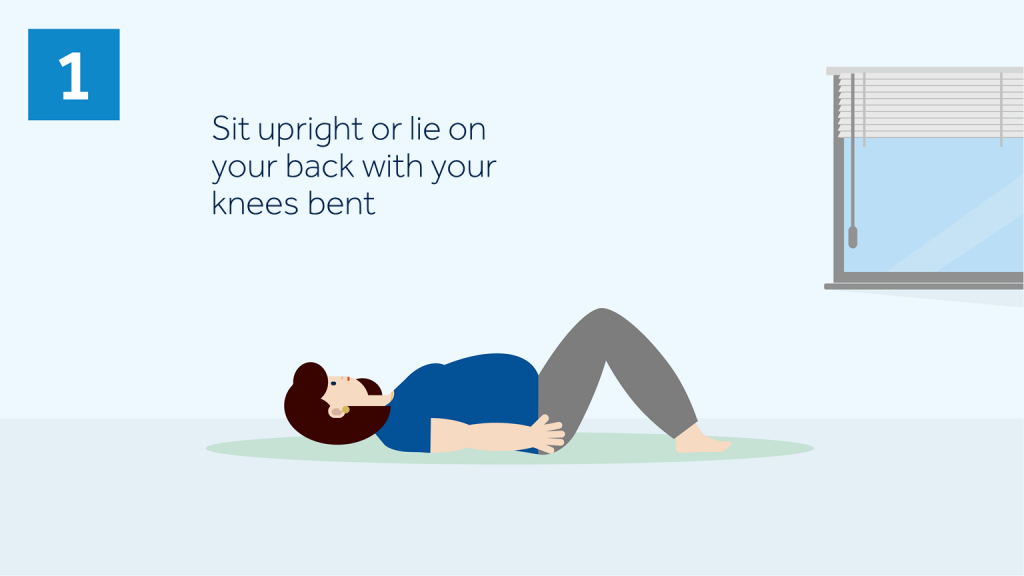
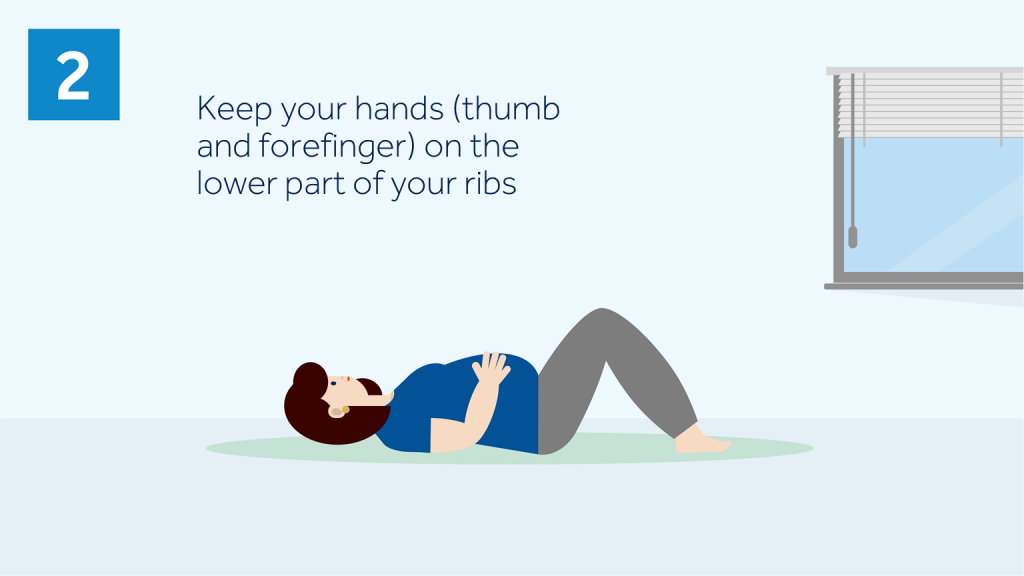
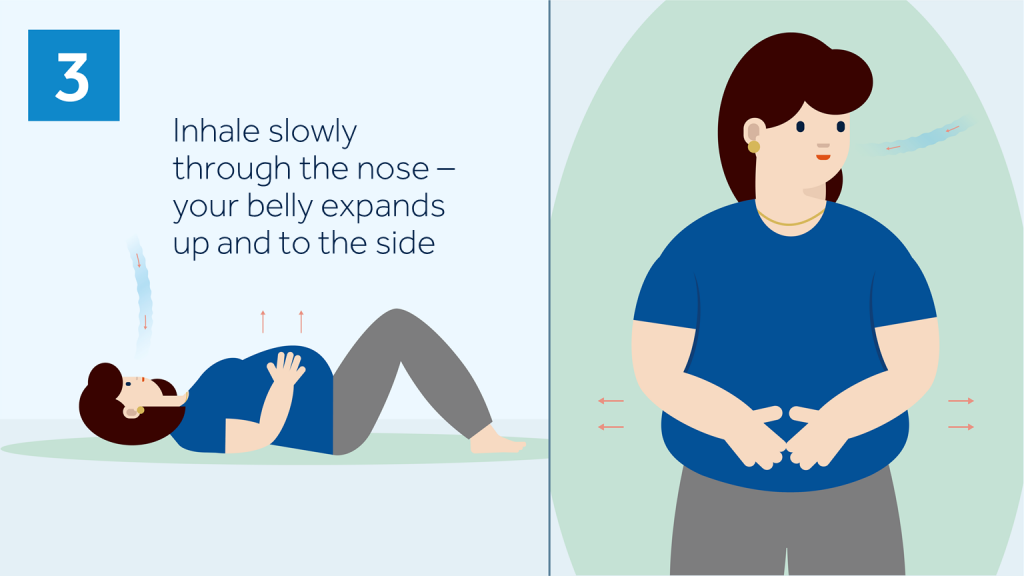
Breathing patterns are unique from person to person, yet we rarely think about how we breathe. An optimal breathing pattern allows more oxygen into your blood and makes your body functions more efficient, resulting in less fatigue and stiffness and better physical well-being.
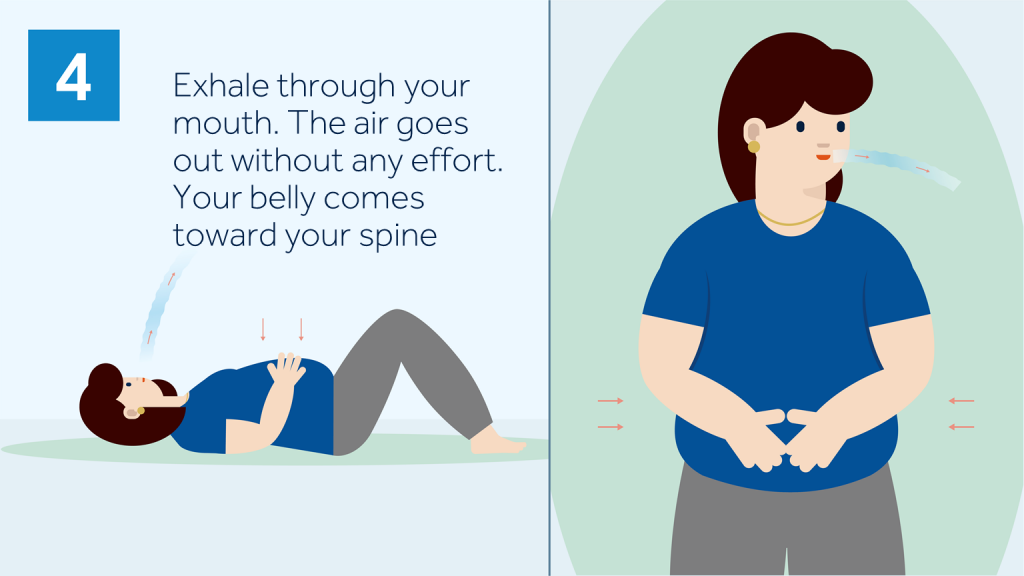
Doing breathing exercises before your surgery can prepare you for a better surgical outcome. After surgery, you should continue your daily breathing exercises as instructed by your health care team. You should also focus on your breath while doing your other daily exercises.

To establish a regular breathing pattern and prepare your body for surgery, make sure to perform the following breathing exercise routine every day up to your procedure. After discharge, your physical activity programme will include this routine for at least another 2 weeks.

Deep breathing – 10 repetitions

Lateral breathing – 10 repetitions

Abdominal breathing – 10 repetitions

Apply these breathing principles to your workout and your life:

  • Inhale and exhale through your nose
  • Practise breath control
  • Find your natural rhythm
  • Breathe silently
Categories
SMS - Baria

SMS – Baria-E-067 Sleep apnea


Sleep apnea

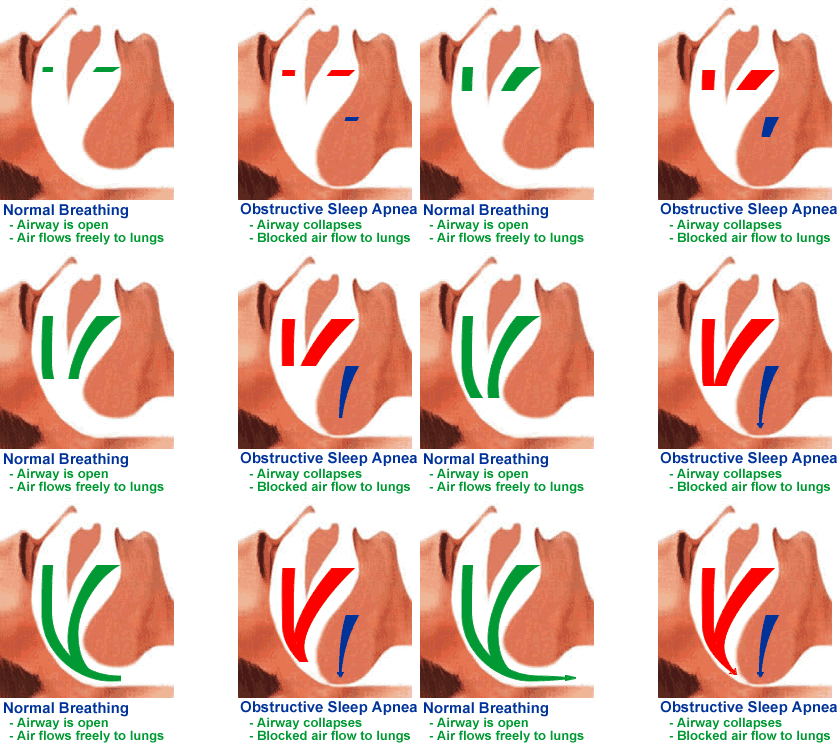
Obstructive sleep apnea (OSA), or simply sleep apnea, is a sleep disorder in which breathing is briefly and repeatedly interrupted during sleep. “Apnea” refers to a pause in breathing that lasts for at least ten seconds. It occurs when the muscles in the back of the throat fail to keep the airway open, despite efforts to breathe.


Sleep apnea can cause fragmented sleep and low blood oxygen levels. For people with sleep apnea, the combination of disturbed sleep and oxygen starvation may lead to hypertension, heart disease and mood and memory issues. Sleep apnea also increases the risk of drowsiness while driving.


There are two types of breathing interruption characteristic to sleep apnea:

  • Apnea: This is where the muscles and soft tissues in the throat relax and collapse enough to cause a total blockage of the airway. When the airflow is blocked for 10 seconds or more, this is considered apnea.
  • Hypopnea: This is a partial blockage of the airway resulting in an airflow reduction of greater than 50% for 10 seconds or more.


Obesity and sleep apnea

It is estimated that 80% of people living with obesity, particularly men, have sleep apnea. However, millions are unaware of their symptoms and may misinterpret them as something else.

Studies have been done on how bariatric surgery impacts sleep apnea. Patients on a waitlist for bariatric surgery showed a tendency towards severe sleep apnea. One year after successful surgery, the patients’ obstructive index dropped from severe to moderate.


CPAP therapy

CPAP therapy is the most common and effective treatment for sleep apnea. If you have sleep apnea, proper treatment is important to reduce complications during your hospital stay. Start your CPAP therapy as soon as possible to get a more restful sleep, have more energy during the day and improve your surgery outcome. If you used a CPAP before surgery, you will find that less pressure is required after weight loss, as there is less restriction of the airway.

It is possible to lose enough weight to eliminate the need for CPAP therapy, however, this is not the norm. Once you have reached your post-bariatric surgery weight loss goal, a repeat sleep study should be conducted to assess the severity of your sleep apnea and whether you still need to use a CPAP.

The first treatment option for sleep apnea is CPAP therapy.