Categories
SMS - Baria

SMS – Baria-E-019 Eating before surgery

Maintaining a healthy diet before surgery

A healthy diet is important for great health, but did you know that it’s also crucial for the lead up to your surgery? Maintaining a well-balanced, nutrient-rich diet will ensure your body has everything it needs to handle the stress of surgery. Furthermore, to reduce the risks associated with all types of surgery, your surgeon may ask you to lose weight.

Your pre-surgery diet plan has four primary goals:

  • To make you as healthy as possible prior to your procedure, improving your surgical outcome and recovery from bariatric surgery.
  • To help shrink the liver and reduce fat in the abdomen, making the procedure easier and reducing the risk. If the liver is too large, bariatric surgery may have to be postponed or performed as an open (invasive) procedure instead of as a less-invasive laparoscopic procedure.
  • To help you begin forming better eating habits, so you can reach your post-op weight loss goal and maintain a healthy weight.
  • To increase your protein intake, which can help preserve and protect muscle tissue post-surgery.


Healthy food and small portions

A healthy weight plays a key role in reducing the risks associated with a procedure like the one you are about to undergo.

Pre-surgery protein
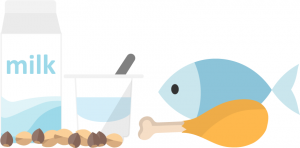
Proteins provide fuel and force your body to use fat as an energy source, preventing loss of lean muscle. Lean meats, kidney beans and lentils are excellent, high-protein foods you can consume as part of your pre-surgery diet. Replacing sugars, fats and carbs with proteins also increases satiety (your sense of fullness) and appetite control, contributing to more effective long-term weight loss.

Don’t be discouraged! You may find it difficult to eat these types of foods at first, but it will get easier over time. If you have any special dietary requirements, such as diabetes, food intolerances, allergies or you are a vegetarian, be sure to inform your health care team.


Unhealthy foods and drinks

Foods to avoid

  • Foods high in carbohydrates and starches: especially bread, pasta, potatoes, pizza, cereal and rice.
  • Foods high in sugar: chocolatey desserts, cakes, biscuits, ice cream, etc. Drop fruit drinks from your liquid diet. Avoid packaged fruit drinks as well as freshly juiced fruit as both can cause your daily caloric intake to increase quickly.
  • Foods high in fat: cheese, fried foods and fatty meats are all high in fat and calories and can wreak havoc on your digestive system.
  • Soda and other carbonated beverages: including diet sodas and sparkling water. Artificial sweeteners can trigger an excessive insulin response. And carbonated drinks are prohibited after bariatric surgery, as the carbonation can cause bloating, pain and harmful stretching of the stomach.
  • Sugary marinades or sauces: another source of hidden sugar.

Avoid alcohol
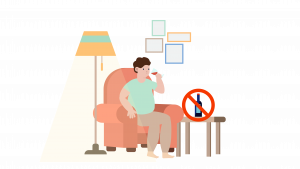
Reducing alcohol intake in the weeks prior to surgery will benefit your recovery immensely. It’s important to stop drinking alcohol at least 48 hours before your surgery – longer, if possible. If you generally have a very high consumption of alcohol, you may experience withdrawal symptoms. If this happens, be sure to bring this up with your health care team. They will suggest which protocol to follow before and after surgery.

Quitting anything is difficult, even if it’s only for a few weeks. These tips can help you stay motivated:

  • Set a date by which you must stop. Write this date down to make it real.
  • Associate an intention with your goal by identifying why you are stopping. For example,
    “I am quitting drinking next Tuesday so that I can recover well from my surgery.” 
  • If you have habits or behaviours that trigger your desire to drink, avoid those behaviours.
  • If you feel the urge for a drink, distract yourself by going for a walk or calling a friend to talk.
  • Set milestones – one full day without drinking, one full week, etc. – and reward yourself when you reach them.


Pre-operative diet

Your typical daily pre-operative caloric intake may be reduced depending on your doctor’s recommendations. Because you will be consumer much fewer calories than what you are used to, staying hydrated is important.

Your diet plan will consist of set daily quantities of foods from 5 food groups daily. It will suggest 3 portions of carbohydrates (approximately 100 g), 2 portions of proteins and fruit (70 to 120 grams), 3–5 portions of vegetables and 2 portions of dairy, for a total of 3 meals and 2 or 3 snacks.

When preparing for bariatric surgery, it can be useful to start eating and drinking the same way you will after surgery.

The tables below list examples of food portion sizes:


Sources

http://www.med.navy.mil/sites/nmcsd/Patients/Documents/bariatric_form_nutritionrec.pdf

http://www.pacificbariatric.com/weight-loss-surgery/pre-op-diet

http://www.uhn.ca/PatientsFamilies/Health_Information/Health_Topics/Documents/Eating_for_Health_after_Gastric_Bypass_Surgery.pdf

http://surgery.ucla.edu/bariatrics-nutrition-before-bariatric-surgery

https://www.livestrong.com/article/374304-diet-to-help-you-lose-weight-before-a-gastric-bypass/

http://www.wlshelp.com/pre-weight-loss-surgery-diet.html

http://www.ouh.nhs.uk/patient-guide/leaflets/files/101018bariatricdiet.pdf

American Society for Metabolic and Bariatric Surgery https://asmbs.org/patients/bariatric-surgery-faqs


http://www.ouh.nhs.uk

Categories
SMS - Baria

SMS – Baria-E-012 Available support network

Along your bariatric journey, you will meet challenges that can be difficult to manage on your own. With good support, however, these challenges can be overcome.

Here are some resources which may be helpful for you:


Australian Government – Department of Health

https://www.health.gov.au/health-topics/overweight-and-obesity

Information is available on conditions, guidelines and additional resources


The Australian & New Zealand Obesity Society

www.anzos.com

ANZOS is a scientific organisation of medical practitioners, dietitians, scientists and other health care professionals interested in obesity research, treatment or public health initiatives directed at the prevention of obesity


The Obesity Collective

www.obesityaustralia.org/

This website draws together organisations and individuals that are committed to address the challenges associated with obesity.


Australian Government – Australian Institute of Health & Welfare

https://www.aihw.gov.au/reports-data/behaviours-risk-factors/overweight-obesity/overview

The Australian Institute of Health and Welfare covers trends in obesity from childhood through to adulthood


Australian Indigenous Health Information

https://healthinfonet.ecu.edu.au/learn/health-topics/bodyweight/

The Australian Indigenous Health Info Net is dedicated to the health of Aboriginals and Torres Strait Islanders. There are resources available to support issues like obesity and diabetes


Australian National Diabetes Organisation

www.diabetesaustralia.com.au/

Diabetes Australia is dedicated to providing support and resources to people living with diabetes. There are guides available to assist with cooking, eating and exercise


Patient information site focusing on obesity

www.thescienceofobesity.com.au/

This website contains information on the science of obesity and how this health issue affects Australians. There is information on treatment options and also patient stories that can be viewed


National medical research organisation

https://www.garvan.org.au/research/diseases/obesity

The Garvan Institute aims to research all types of diseases including obesity. There is detailed information on the website that examines the research that has been conducted and approaches to obesity


Australian parenting website

https://raisingchildren.net.au/school-age/nutrition-fitness/common-concerns/child-obesity

This Australian website focuses on parents and children. Part of the website is dedicated to dealing with obesity in children


Australia’s leading advocate for healthy sleep

www.sleephealthfoundation.org.au/

This website is a useful information resource about obstructive sleep apnoea (a common co-morbidity of obesity) and its treatment


International federation focused exclusively on obesity

www.worldobesity.org

World Obesity represents stakeholders in high-, medium- and low-income countries, including experts, advocates, patients and practitioners. It is a lead partner to global agencies on obesity


Categories
SMS - Baria

SMS – Baria-E-007 Information on personal hygiene prior to surgery

Skin integrity is essential for the operative site. It is therefore important to maintain good hygiene by keeping your skin clean and dry, especially in the days leading up to surgery. Skin breakdown can potentially cause your surgery to be delayed.


Showering before surgery

It’s very important to shower the day before surgery – following the recommendations of your health care team. Remember to wash from chin to toes, paying close attention to abdominal skin folds and the pelvic area.

On the day of surgery, it is recommended that you shower in the morning.

  • Refrain from using moisturisers, lotions or makeup
  • Remove any nail polish
  • Take off any jewellery
  • You may wear dentures, but you will need to remove them just prior to surgery
  • You may brush your teeth and gargle, but it is important that you do not swallow anything
Categories
SMS - Baria

SMS – Baria-E-004 Quitting drinking before surgery

Whether you drink occasionally or regularly, consuming alcohol in the days and weeks before surgery can greatly increase your risk of complications.

The risks of alcohol

Even small amounts of alcohol like beer and wine can impair your immune system and increase the risk of heart muscle injury, lung infection and bleeding. To give your body the best chance at a successful recovery, avoiding alcohol is strongly recommended.


The benefits of abstaining

Reducing alcohol intake in the weeks prior to surgery will benefit your recovery immensely. It’s important to stop drinking alcohol at least 48 hours before surgery – longer, if possible. If you generally have a very high consumption of alcohol, you may experience withdrawal symptoms. If this happens, be sure to discuss with your healthcare team.


Quitting tips

Quitting anything is difficult. These tips can help you stay motivated:

  • Set a date for when you will stop drinking alcohol. Write this date down to make it real.
  • Associate an intention with your goal by identifying why you are stopping. For example,
    “I will quit drinking alcohol next Tuesday so that I can recover well from my surgery.” 
  • If you have habits or behaviours that trigger your desire for a drink, do your best to avoid them.
  • If you have the urge for a drink, distract yourself by going for a walk or calling a friend to talk.
  • Set milestones – one full day without drinking alcohol, one full week, etc. – and reward yourself when you reach them.

Many complications can arise from drinking alcohol prior to surgery, especially if you drink regularly. For more information, contact your healthcare team and follow the programme they recommend.

Categories
SMS - Baria

SMS – Baria-E-003 Smoking cessation

Smoking before and after surgery can greatly influence your recovery process. Learn how smoking can affect your procedure and how you can stop smoking – even if only for a few weeks before and after your surgery.

The dangers of smoking before surgery

Patients who smoke have a higher risk of postoperative lung infection and are at greater risk of heart attack and stroke after surgery – especially if there is a pre-existing condition such as angina, diabetes or high blood pressure. Smoking can also influence the healing process, and scarring can be much more prominent in patients who smoke.


The good news – quitting helps!

Quitting smoking greatly reduces the heart- and lung-related risks, both before and after surgery. Quitting isn’t easy, but it is an essential part of a successful recovery.


When should you quit smoking?
Quitting smoking entirely is always the best option and quitting for 6-8 weeks before surgery will help your lungs clear up and reduce the risk of developing a postoperative lung infection. Even quitting for just 2-3 days before surgery can increase the amount of oxygen you absorb and stabilise your heart rate. It is absolutely imperative that you do not smoke during the last 24 hours before surgery.


How can you quit smoking?
Motivation and goal setting are key to changing any habit. Set a date to quit smoking and mark it on your calendar. Remind yourself of the reasons you want to quit and how important it is for the success of your surgery. Use those reasons as motivation when you feel tempted to smoke.


When the craving kicks in

When things are especially difficult, seek help from people you trust. If you feel like you need a little support, call your partner or a friend and tell them how you feel. This distraction, along with some words of encouragement, can help ease your cravings.


Avoid triggers

If you notice habits that trigger your desire to smoke, try to avoid them. Replace these habits with activities that are good for you, like going for a walk, calling a friend, doing a crossword puzzle or reading.


Reward yourself

Set small milestones for quitting and reward yourself when you reach them. When you go a full day without smoking, a full week, a full month, give yourself a little reward – a walk on the beach, a hot bath, a trip to the movies. Spend the money you save on cigarettes on something special for yourself. This will help keep you motivated and on track.

Categories
SMS - Baria

SMS – Baria-E-002 Introduction to behaviour change: My motivation

Bariatric surgery is only the beginning of your weight loss journey. To achieve sustainable weight loss, you will need to commit to long-term behaviour changes. This is the hard work that your post-surgery follow-up involves – and it may be difficult at first. But you will see that over time, as you begin to shed the weight and enjoy your new-found habits, you will never want to go back to your unhealthy lifestyle.

As part of your post-surgery follow-up, you will need to commit to:

  • An active, healthy lifestyle
  • Making appropriate food choices and adopting the recommended eating habits
  • Complying with the nutritional, vitamin, and mineral supplement requirements recommended by your health care team
  • Incorporating physical activity and exercise into your routine
  • Following up with your physician as directed


Categories
SMS - Baria

SMS – Baria-E-099 My daily activity program – phase 2

Welcome to your daily activity program!

Here’s a daily activity regimen for you to follow over the next few weeks.

Make sure you continue to stay active and perform your daily activities. Reduce your sitting time and change positions at least once every hour.


Mobilisation and strength

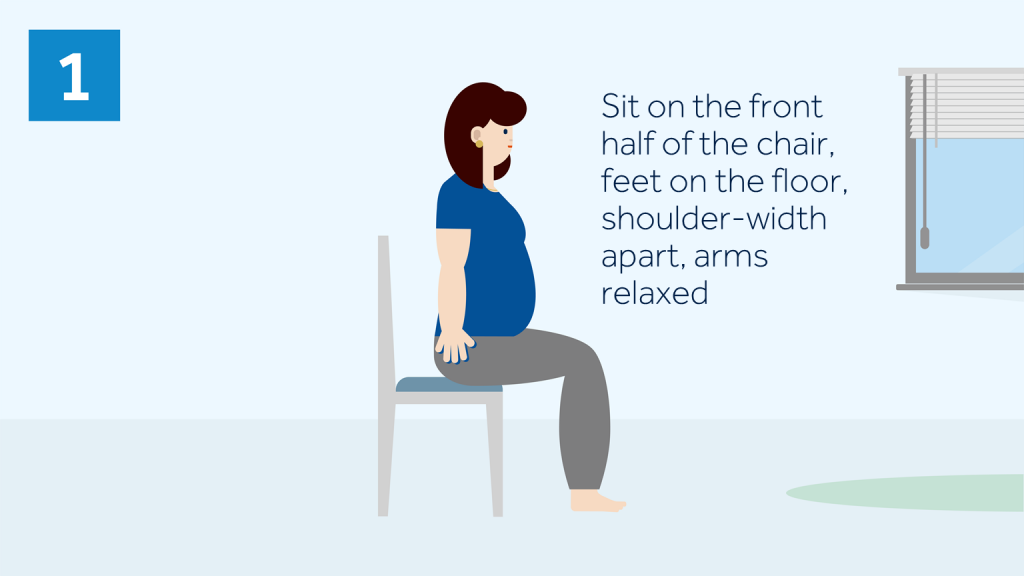
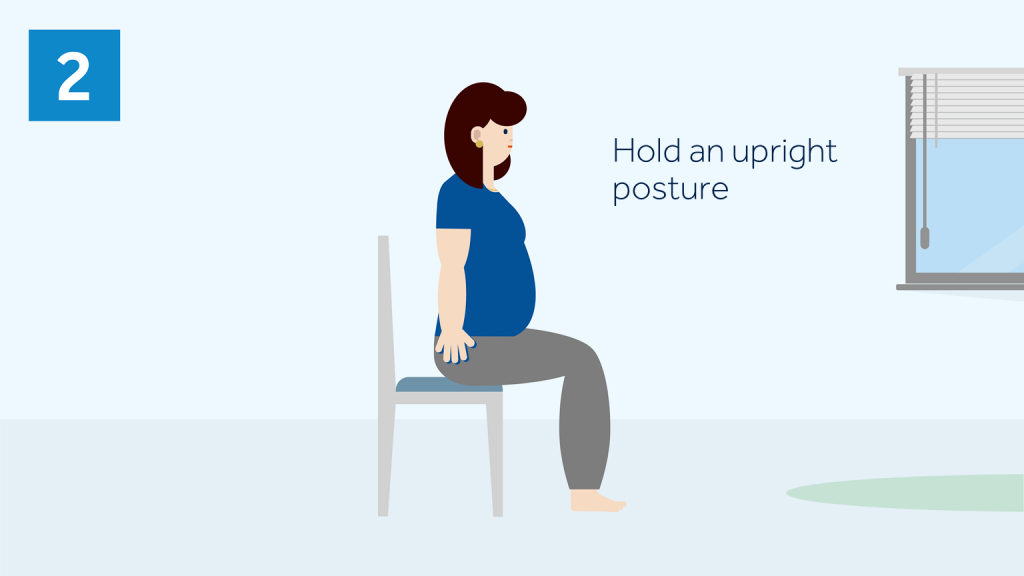
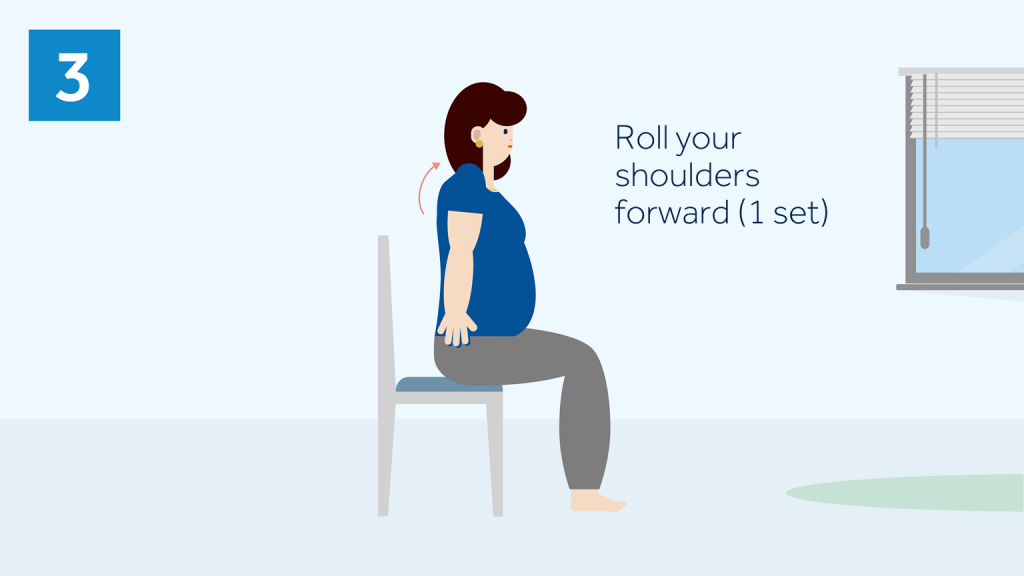
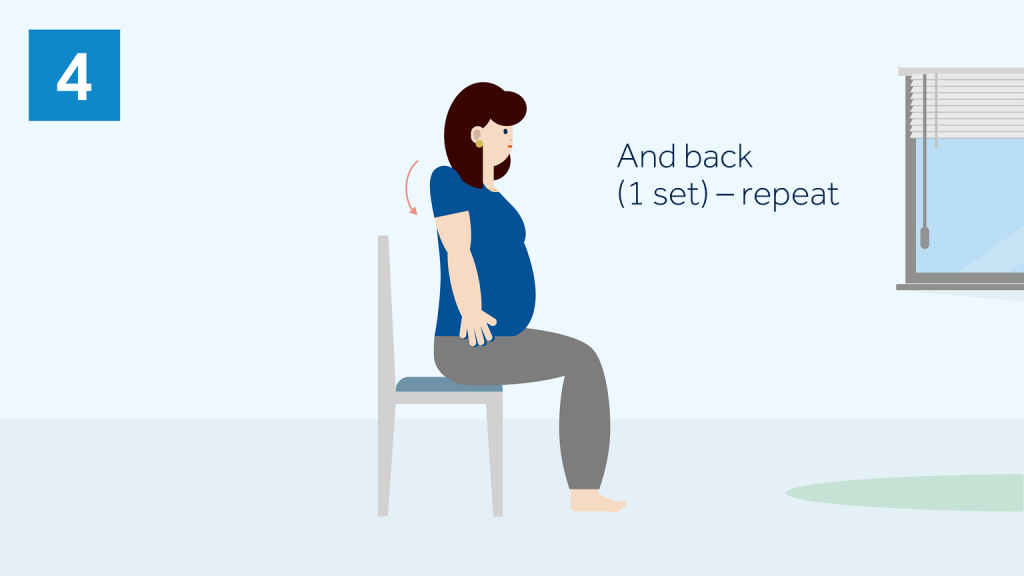
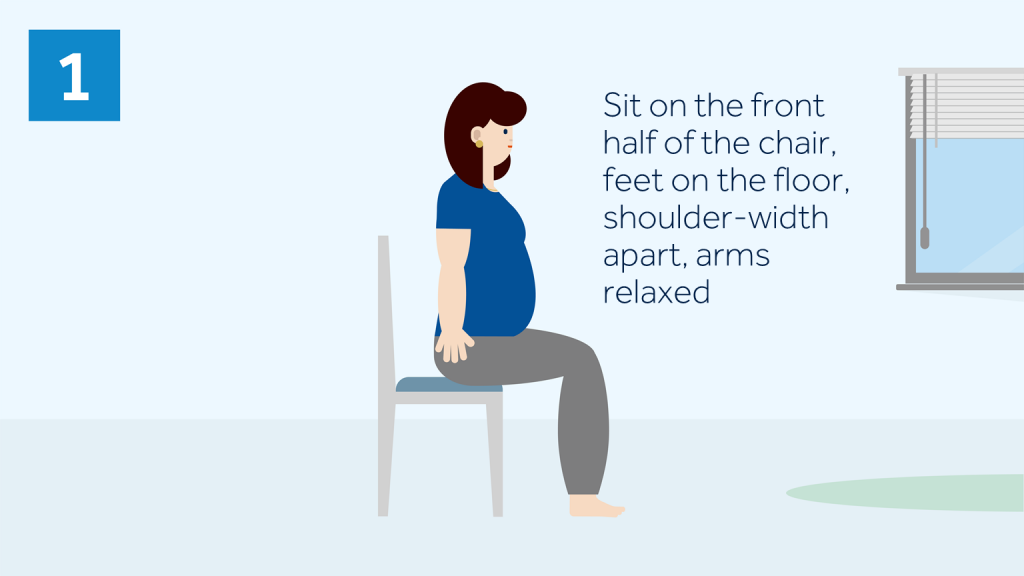
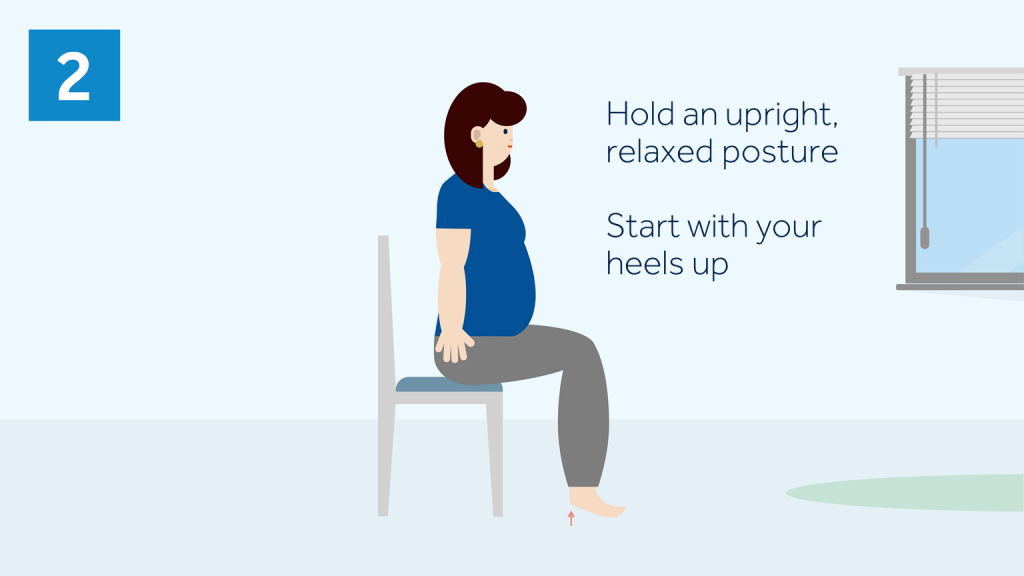
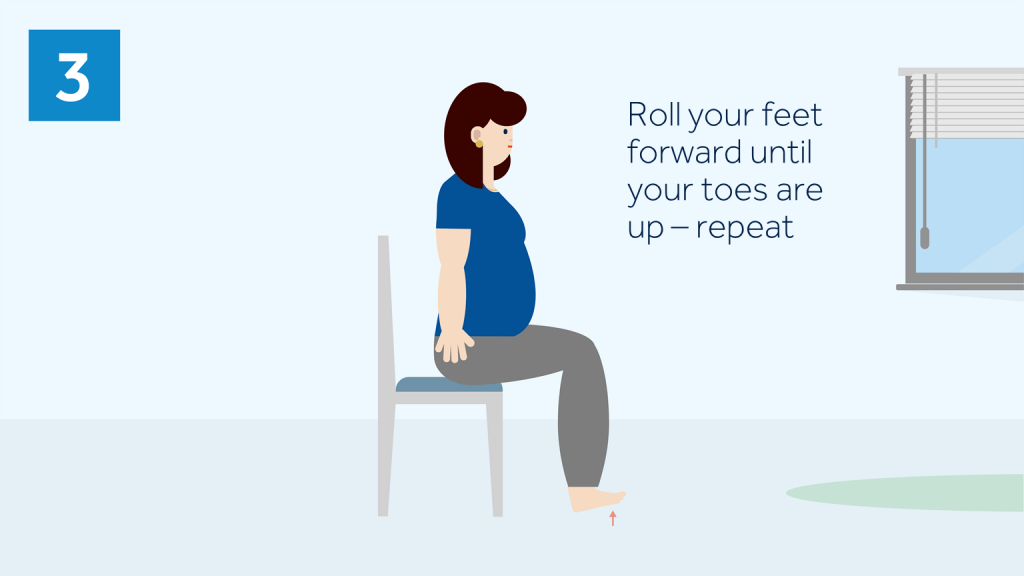
Mobilisation and strength exercises are crucial for maintaining your ability to move. Increasing strength also means your muscles require more energy (burn more calories), which supports your weight loss goal. You will find a description of each exercise here. 

  • Shoulder rolls: 5 repetitions  

  • Calf raises: 5 repetitions 

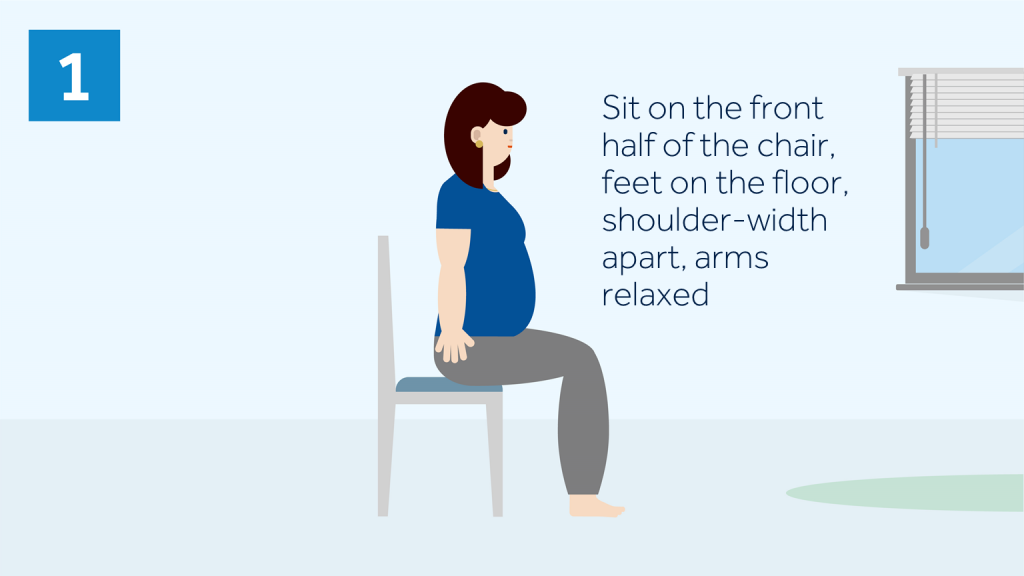
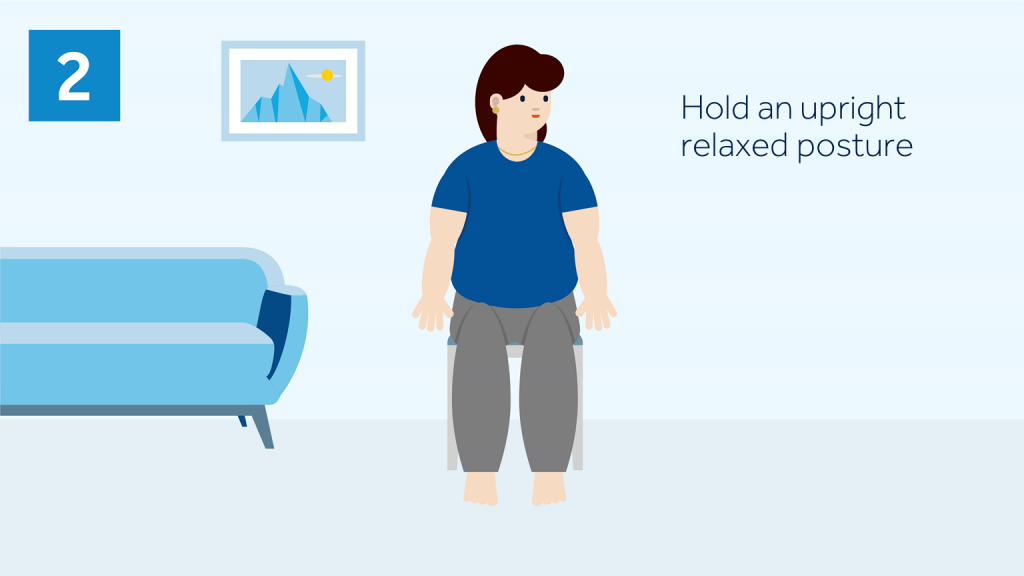
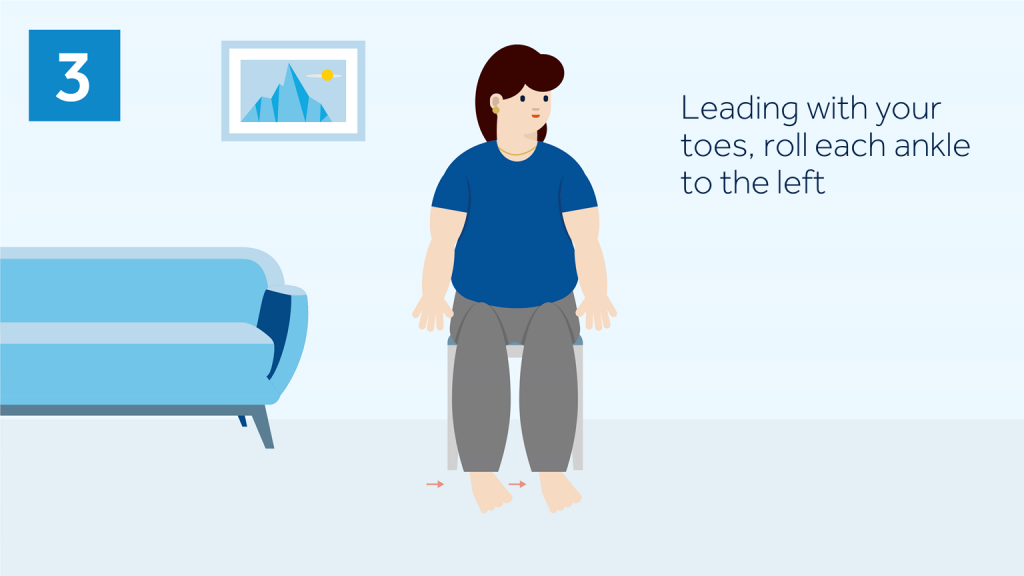
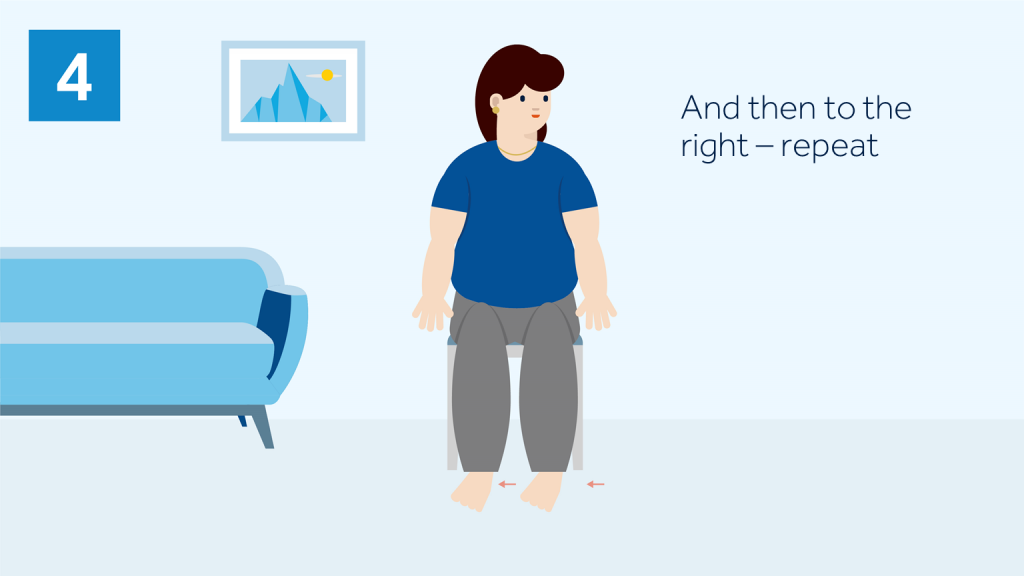
  • Ankle rolls: 5 repetitions

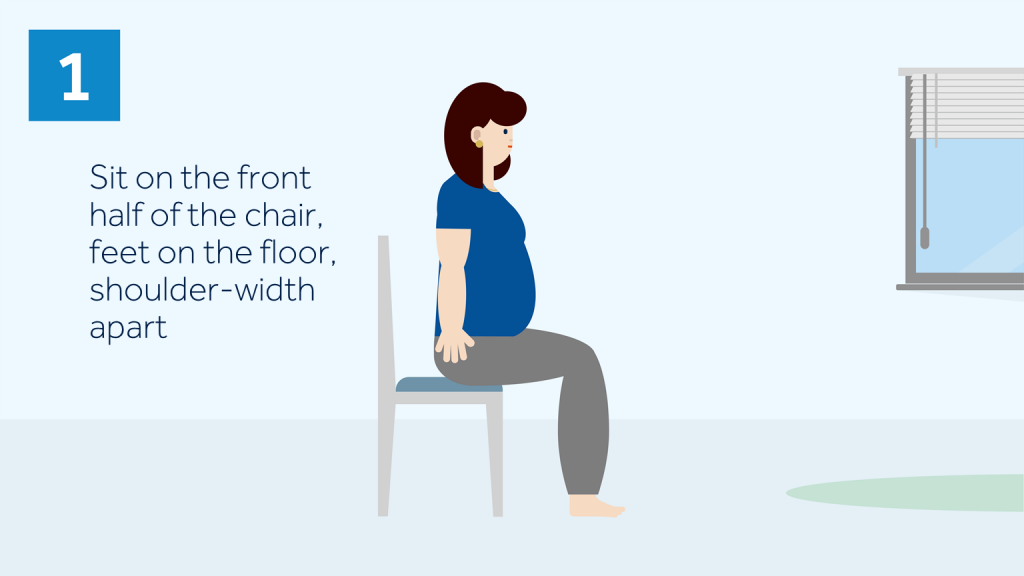
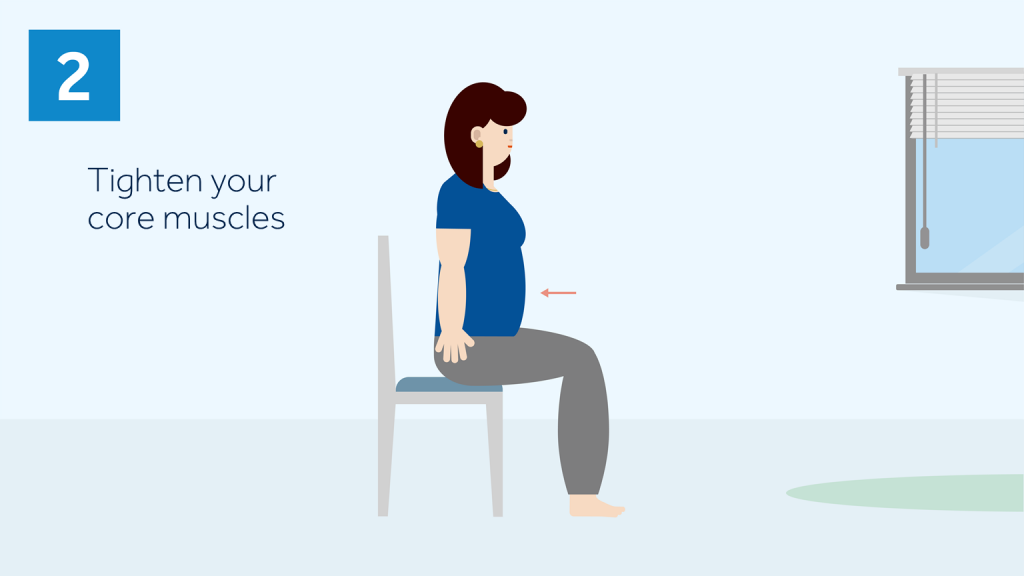
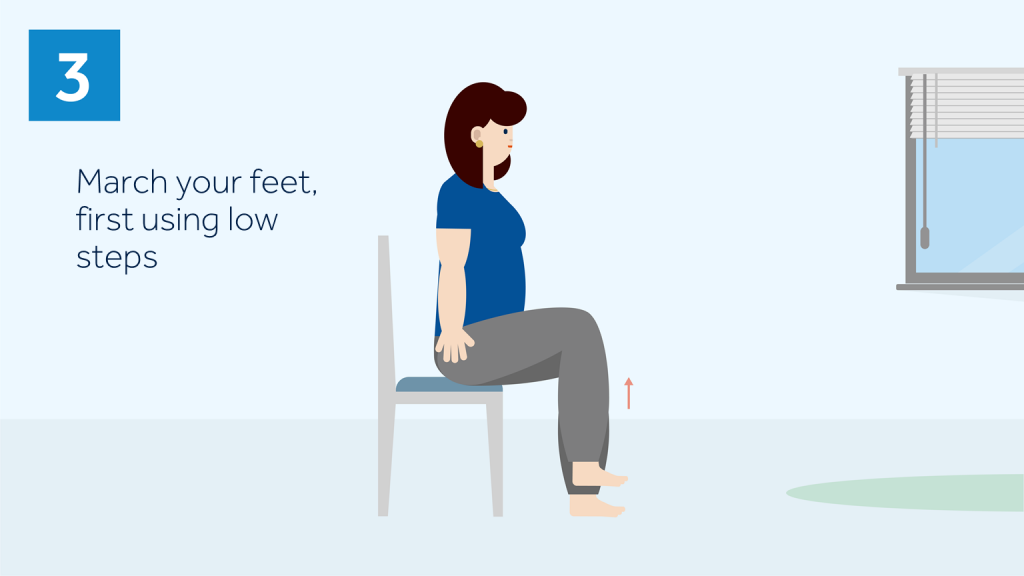
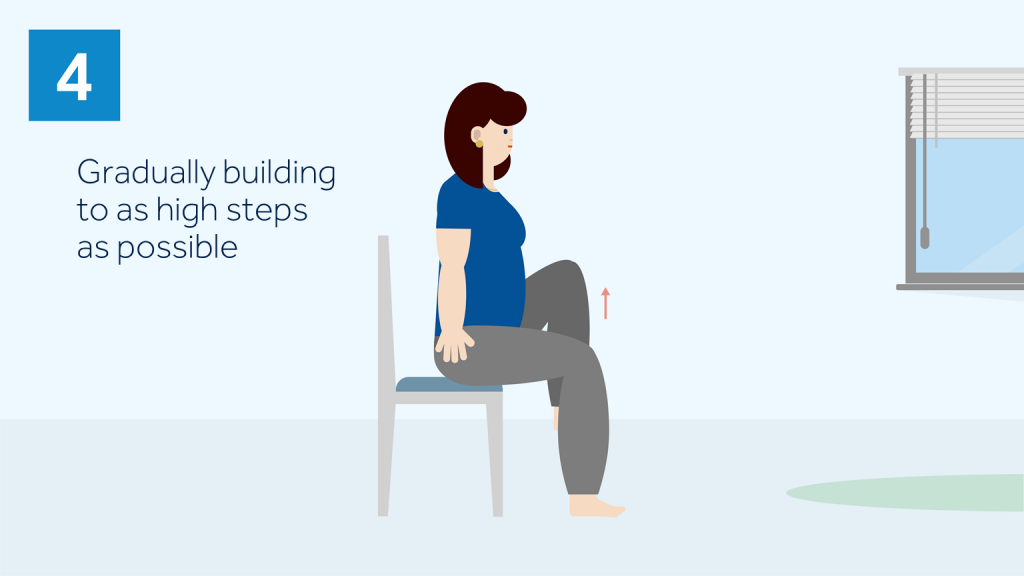
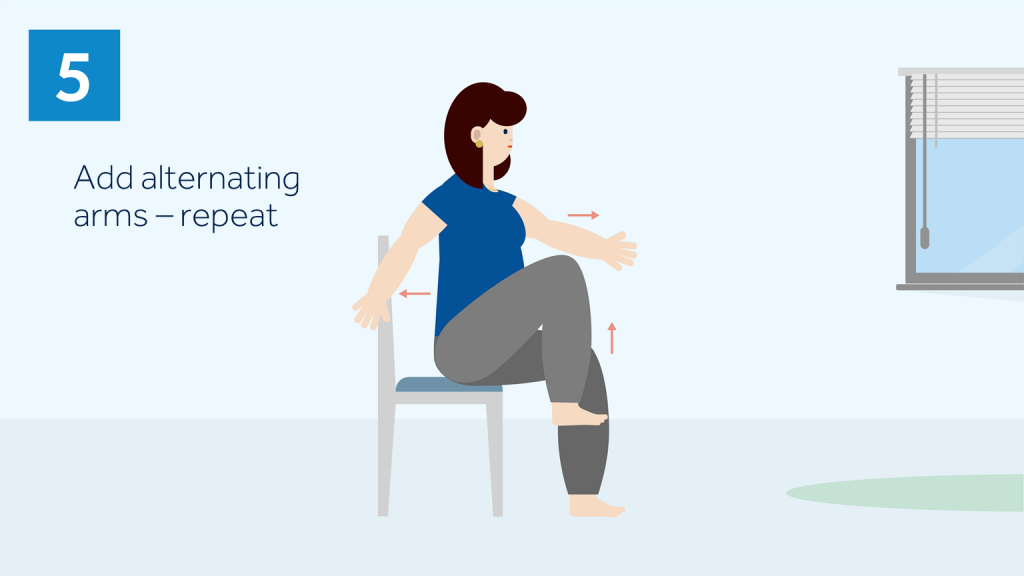
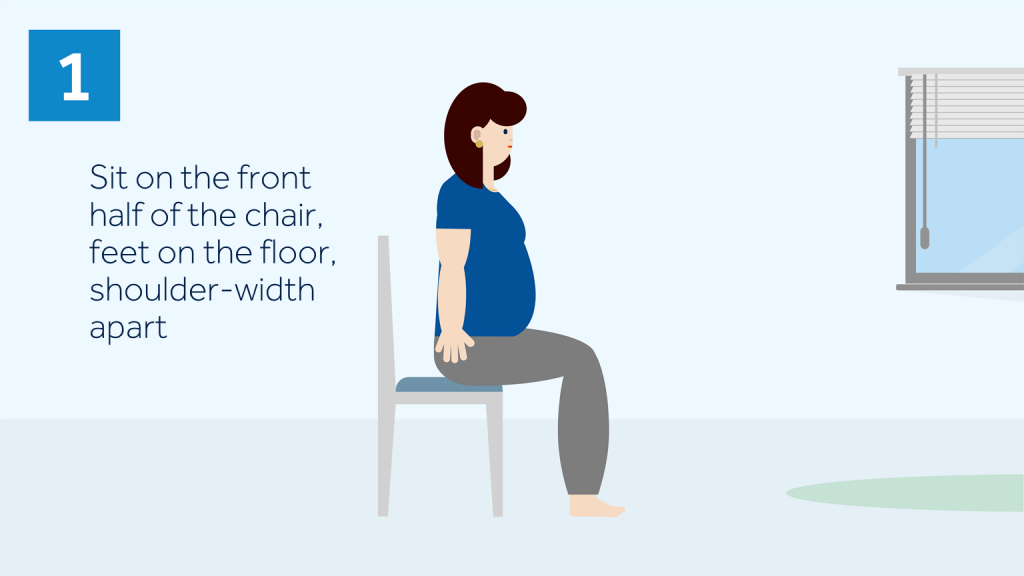
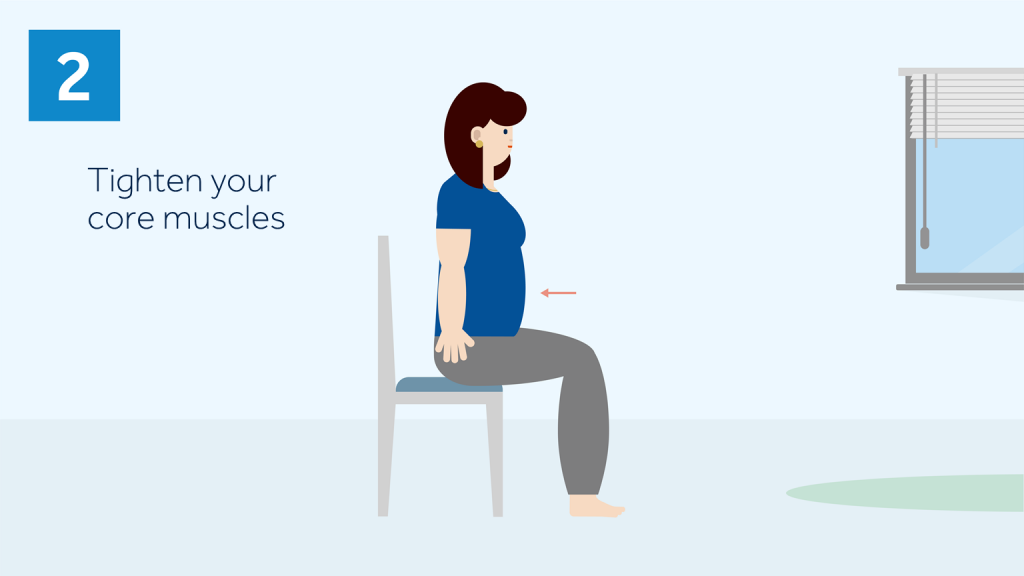
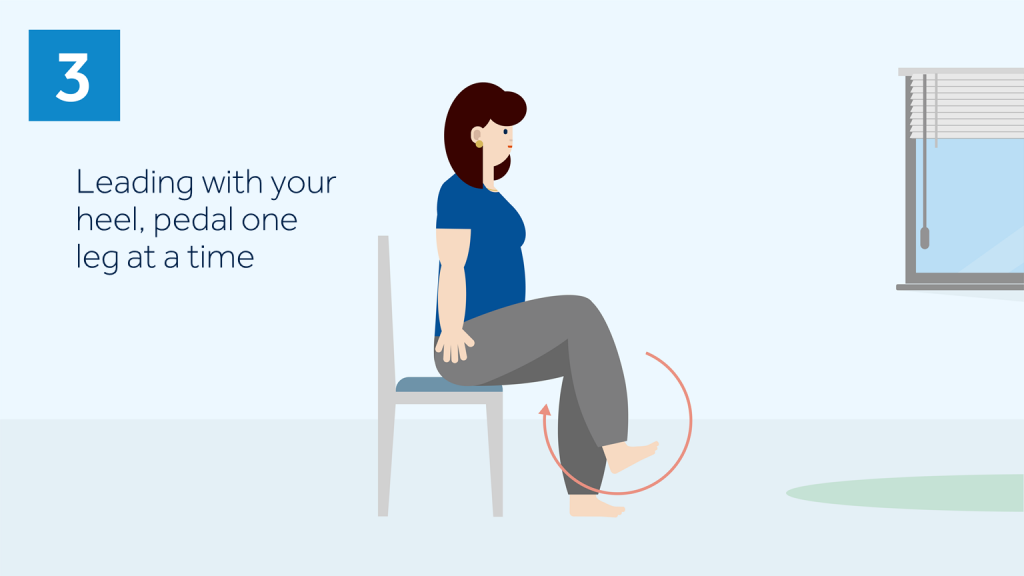
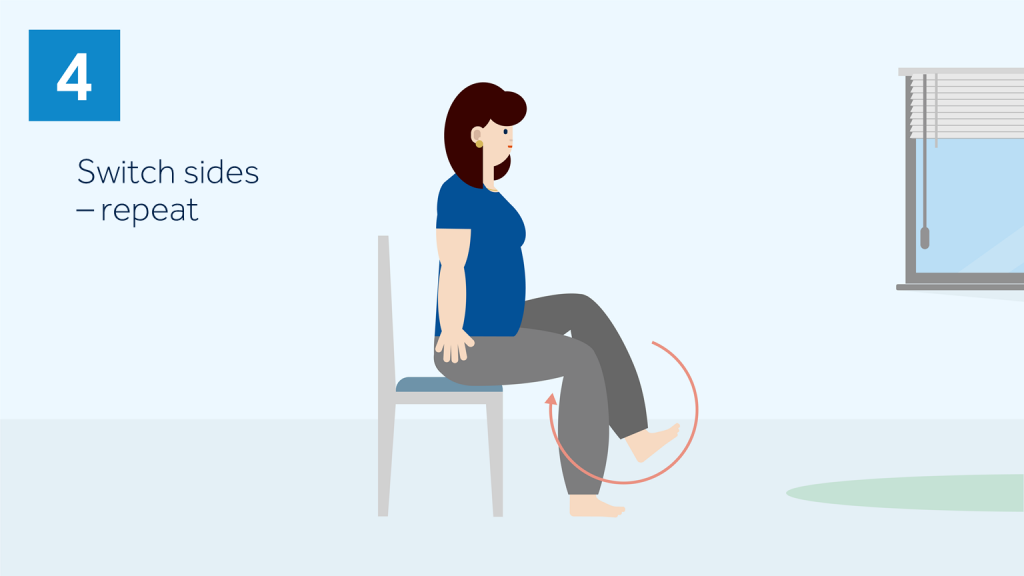
  • Chair march: 5 repetitions 

Categories
SMS - Baria

SMS – Baria-E-100 My daily activity program – phase 3

Welcome to your daily activity program!

Here’s a daily activity regimen for you to follow over the next few weeks.

Make sure you continue to stay active and perform your daily activities. Reduce your sitting time and change positions at least once every hour.


Mobilisation and strength

Mobilisation and strength exercises are crucial for maintaining your ability to move. Increasing strength also means your muscles require more energy (burn more calories), which supports your weight loss goal. You will find a description of each exercise here. 

  • Shoulder rolls: 5 repetitions  

  • Calf raises: 5 repetitions 

  • Ankle rolls: 5 repetitions

  • Chair march: 5 repetitions 

  • Chair padeling: 5 repetitions 

Categories
SMS - Baria

SMS – Baria-E-107 Physical activity programme post surgery –Phase 1

You have done it! Your life after bariatric surgery begins now.

Immediately following surgery your body is in recovery mode. Our focus, therefore, is on light mobilisation exercises for the first week.  


Mobilisation exercises lubricate your joints and improve their function. They can also relax your muscles and the surrounding tissue. Regular mobilisation exercises can increase your awareness of your joints and alleviate pain and oedema –the fluid build-up that causes swelling. Mobilisation exercises concentrate on your biggest, most visible joints – ankles, knees, hips, elbows and shoulders. 


Always start mobilisation exercises with small, gentle movements. If you feel any stiffness or pain, try moving in the opposite direction. If a movement is too painful, avoid it until the pain subsides and you are ready to try mobilising that area again. 


The goal in this phase is to keep your joints lubricated to retain mobility and your muscles active to retain muscle mass.  


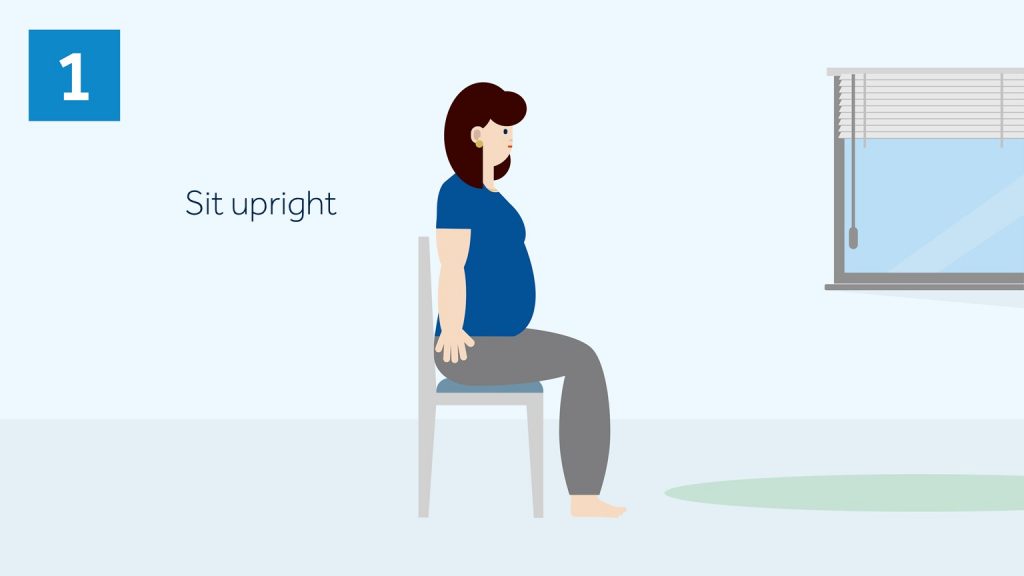
Daily walking and breathing exercises are also recommended. Take care to listen to your body and gradually progress your activity level.  

After one week, you will progress to phase 2. 


1. Walking 

Walk for 15 minutes every day. Walk on flat and easy terrain. The exertion should be light to medium.  


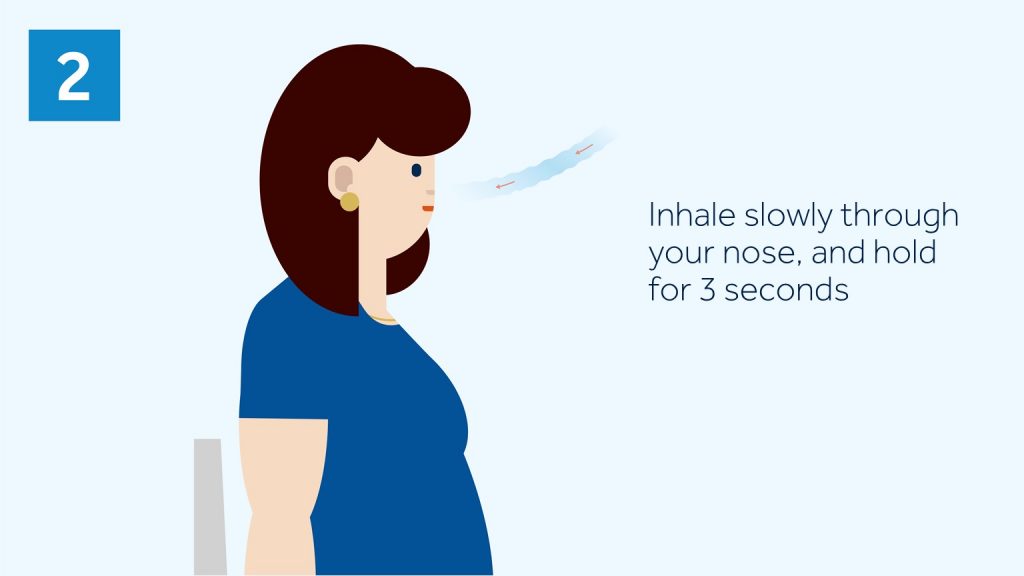
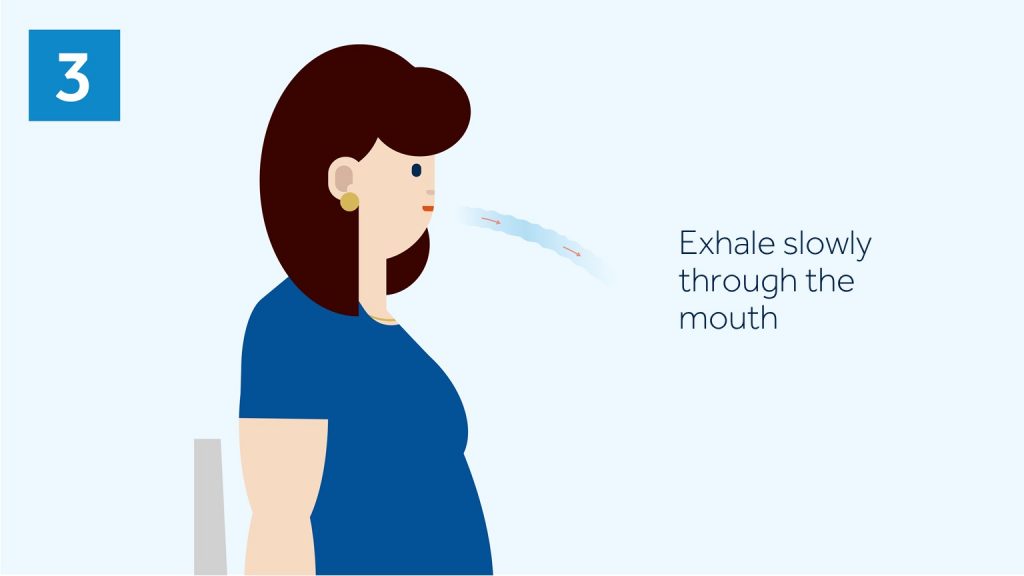
2. Breathing 

Do all breathing exercises every day:

Deep breathing – 30 repetitions  


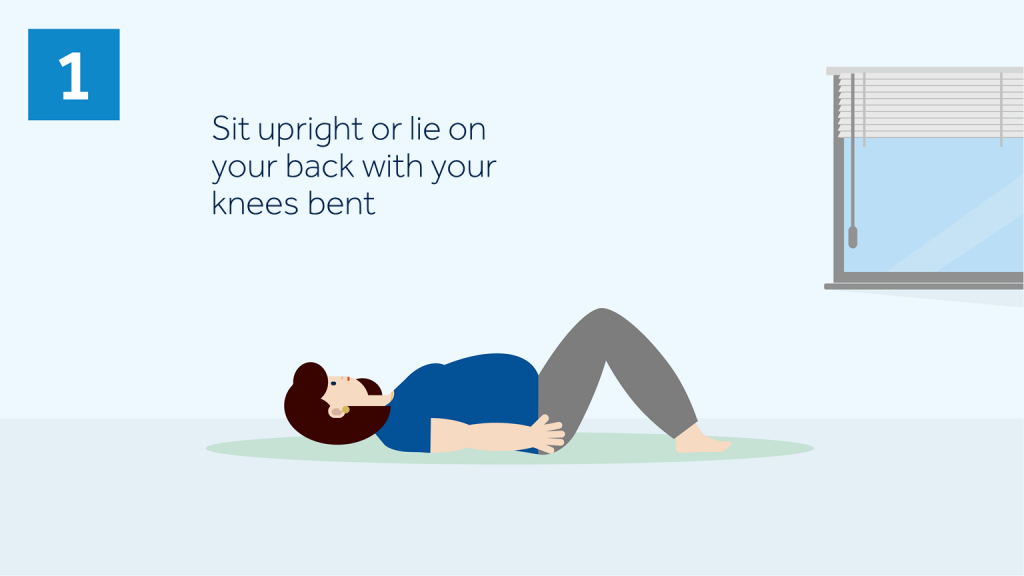
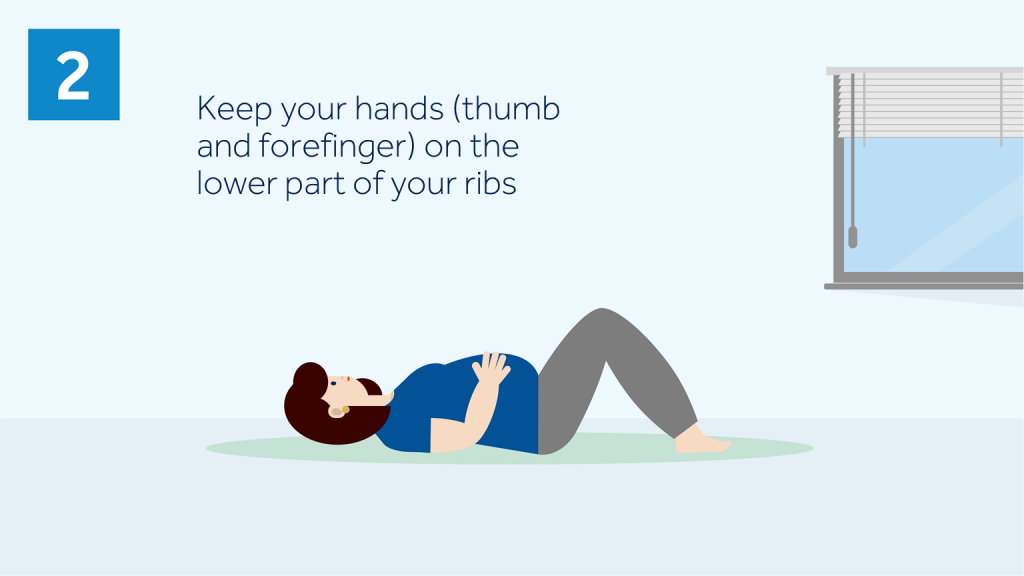
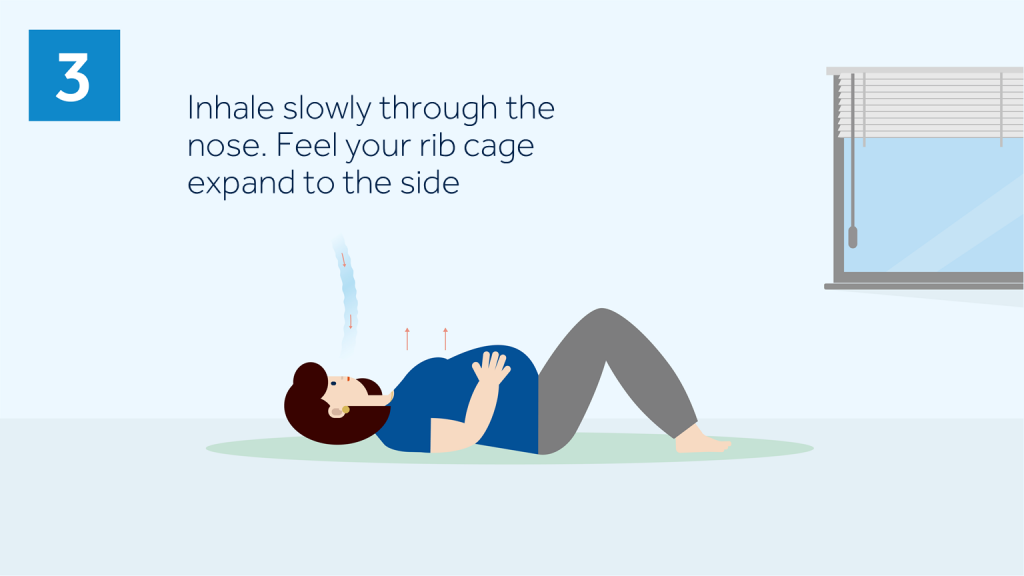
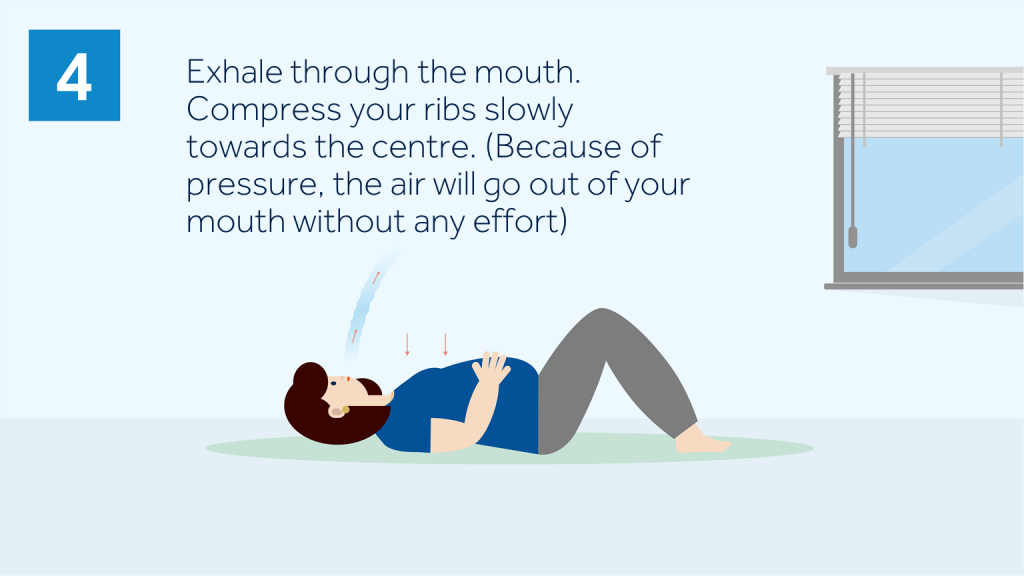
Lateral breathing – 30 repetitions 


Abdominal breathing – 30 repetitions 


Walking – 7 times a week  Breathing – 7 times a week 
15 minutes  Deep breathing 
Flat, easy terrain  Lateral breathing 
Light to medium exertion  Abdominal breathing 


Categories
SMS - Baria

SMS – Baria-E-108 Physical activity programme post surgery – Phase 2

It is now the second week after discharge. We will continue to focus on light mobilisation exercises for the next two weeks, increasing the number of mobilisation exercises.  

In two weeks, you will progress to phase 3. 


1. Walking

Walk for 15 minutes every day. Walk on flat and easy terrain. The exertion should be light to medium. 


2. Mobilisation 

Practise the following exercises every day: 

  • Calf raises: 2 x 5 repetitions 

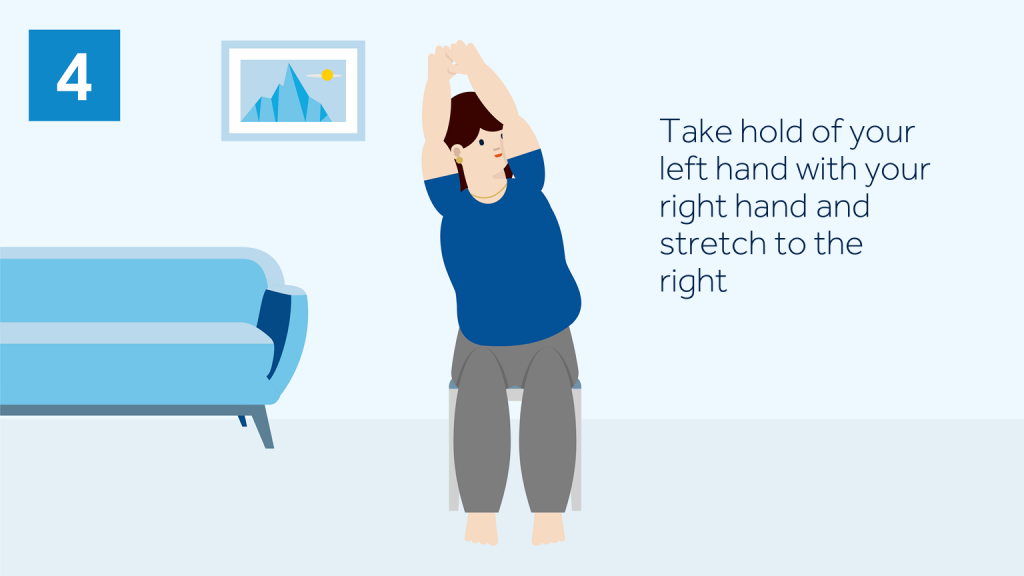
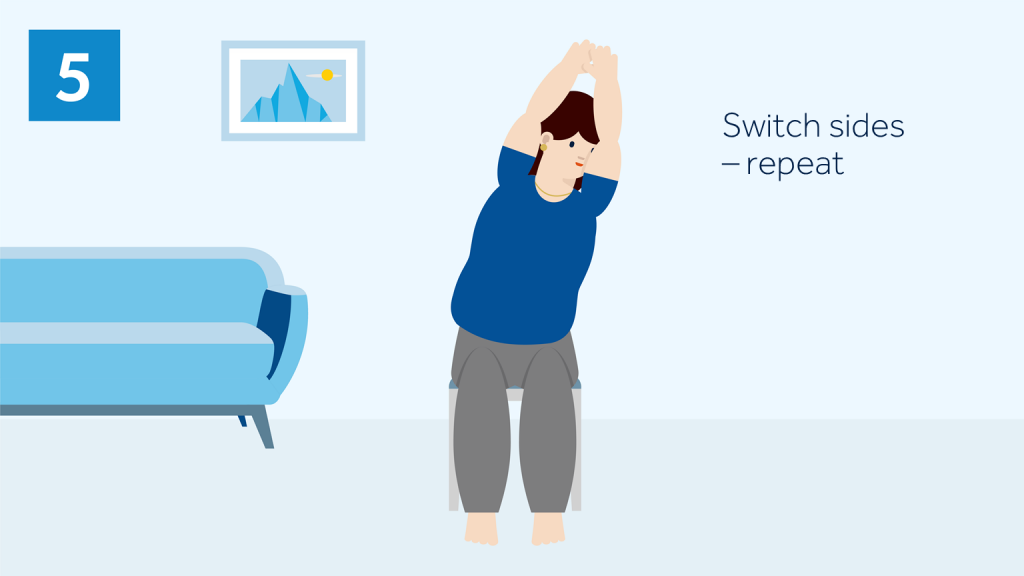
  • Side stretches: 2 x 5 repetitions 

  • Shoulder rolls: 2 x 5 repetitions 


3. Breathing 

Do all breathing exercises every day:

  • Deep breathing – 30 repetitions  
  • Lateral breathing – 30 repetitions
  • Abdominal breathing – 30 repetitions 


Physical activity programme, post-op – Phase 2: Weeks 2 & 3 tabular view 


Walking – 7 times a week    Breathing – 7 times a week 
Flat, easy terrain Deep breathing
Light to medium exertion Lateral breathing
Abdominal breathing


Mobilisation – 7 times a week  
Calf raises  2 x 5 repetitions 
Side stretches  2 x 5 repetitions 
Shoulder rolls  2 x 5 repetitions